
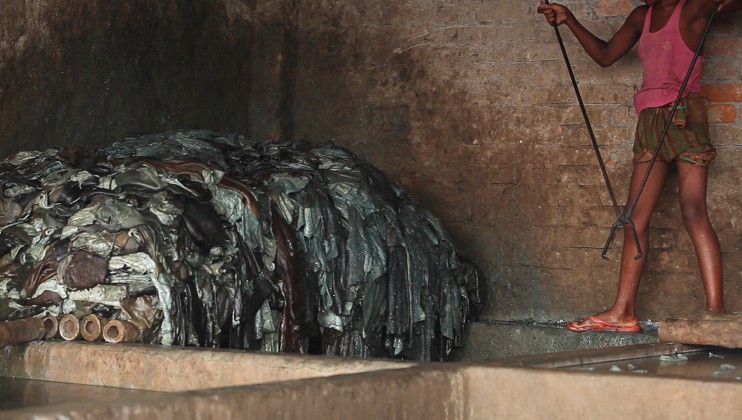
(New York, October 9, 2012) – Workers in many leather tanneries in the Hazaribagh neighborhood of Dhaka, the Bangladesh capital, including children as young as 11, become ill because of exposure to hazardous chemicals and are injured in horrific workplace accidents, Human Rights Watch said in a report released today. The tanneries, which export hundreds of millions of dollars in leather for luxury goods throughout the world, spew pollutants into surrounding communities.
The report, “Toxic Tanneries: The Health Repercussions of Bangladesh’s Hazaribagh Leather,” documents an occupational health and safety crisis among tannery workers, both men and women, including skin diseases and respiratory illnesses caused by exposure to tanning chemicals, and limb amputations caused by accidents in dangerous tannery machinery. Residents of Hazaribagh slums complain of illnesses such as fevers, skin diseases, respiratory problems, and diarrhea, caused by the extreme tannery pollution of air, water, and soil. The government has not protected the right to health of the workers and residents, has consistently failed to enforce labor or environmental laws in Hazaribagh, and has ignored High Court orders to clean up these tanneries.
The government’s inaction is due to a de facto understanding by the Environment Department not to enforce environmental laws in Hazaribagh while the government plans the relocation of the tanneries, and a Labor Inspectorate that lacks manpower and prioritizes good relations with management. Under international law, the government is required to take reasonable steps to protect the right to health of everyone in its territory.
From June 2011 to July 2012 Bangladesh exported around $663 million of leather and leather goods, including footwear. This leather is exported to some 70 countries throughout in the world, but principally China, South Korea, Japan, Italy, Germany, Spain, and the United States.
Tuesday, 9 October 2012
Available in
Bangladesh: Toxic Tanneries
Feature
Duration
: 3m 38s
Videos (1)
Clip Reel
11m 15s
Related News
ENG
Monday, 12 October 2026
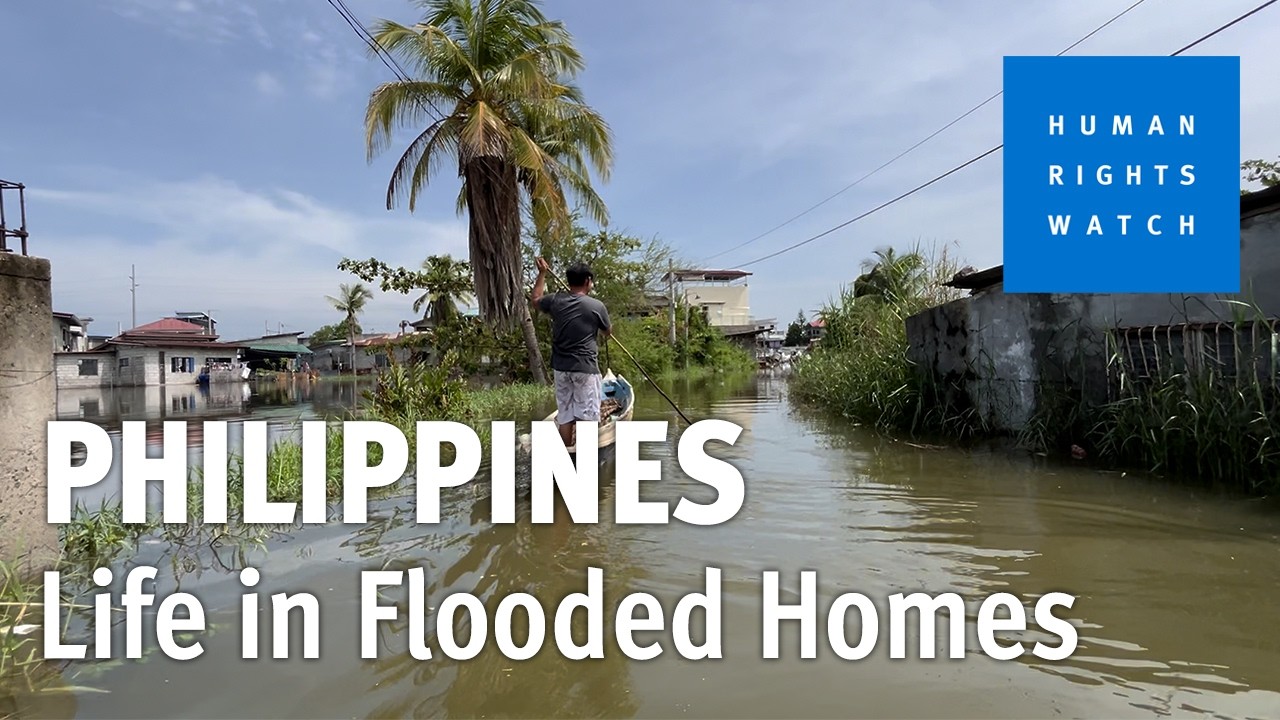
Philippines: Flood Control Project Disregards Rights
Pampanga Residents Face Flooding, Lack of Livelihoods at Relocation Site
ENG
KO
Tuesday, 8 September 2026
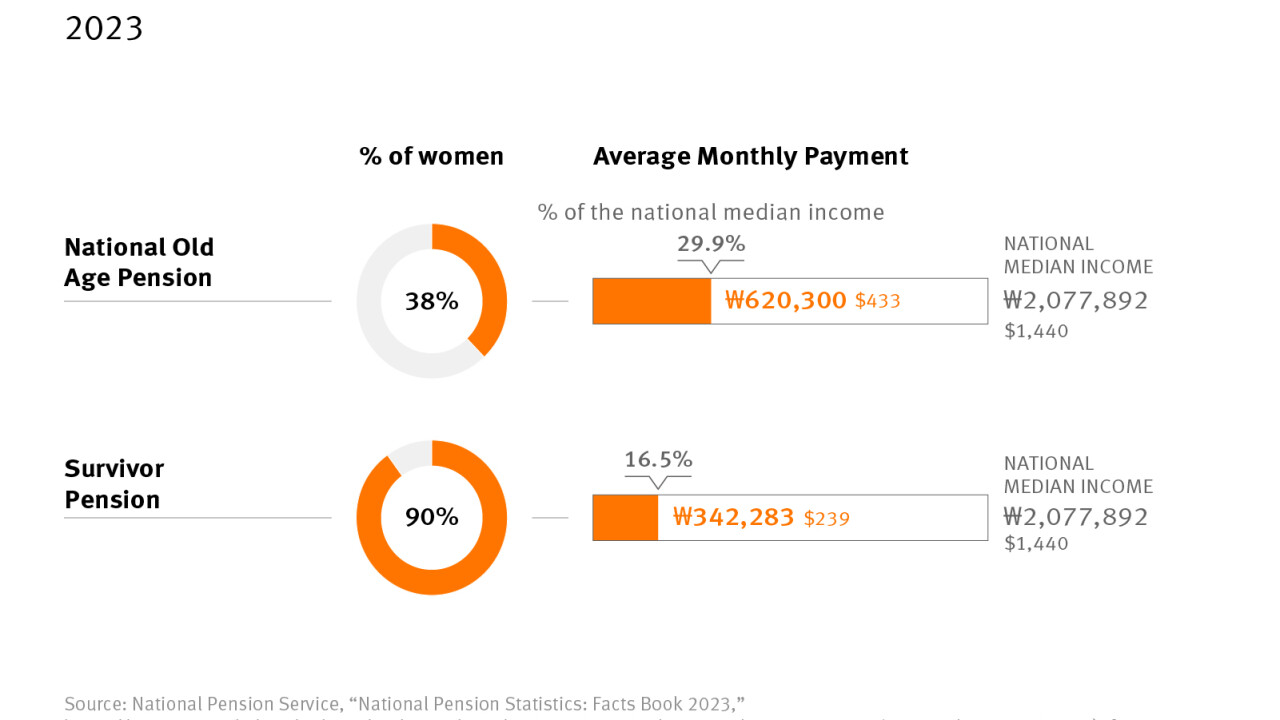
South Korea: Systemic Gender, Age Discrimination at Work
Widen Opportunities, Close Pay and Pension Gaps for Women
ENG
Monday, 18 May 2026
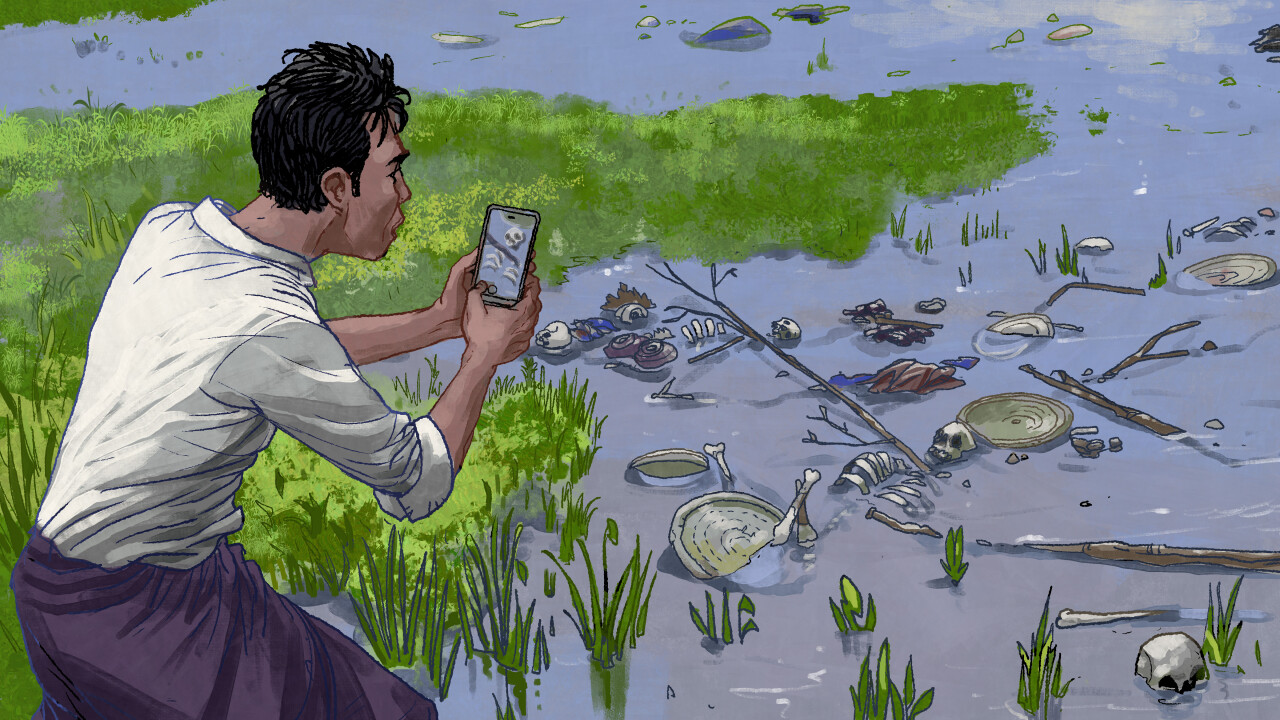
Myanmar: No Redress for Rohingya Muslims in Arakan Army Massacre
At Least 170 Killed at Hoyyar Siri in 2024 Amid Military Indifference; Survivors Denied Return