
(Kathmandu, April 1, 2014) – Nepal has imposed increasing restrictions on Tibetans living in the country as a result of strong pressure from China, Human Rights Watch said in a new report published today. The new Nepali government should make it clear to China that it will accept Tibetans who flee persecution as refugees and will not restrict basic rights of peaceful expression, assembly, and association.
The 100-page report, “Under China’s Shadow: Mistreatment of Tibetans in Nepal,” shows that Tibetan refugee communities in Nepal are now facing a de facto ban on political protests, sharp restrictions on public activities promoting Tibetan culture and religion, and routine abuses by Nepali security forces. These include excessive use of force, arbitrary detention, ill-treatment in detention, threats and intimidation, intrusive surveillance, and arbitrary application of vaguely formulated and overly broad definitions of security offenses.
“The situation for the Tibetan refugee community in Nepal has markedly deteriorated since China’s violent crackdown on protests in Tibet in 2008,” said Brad Adams, Asia director at Human Rights Watch. “While Nepal continues to offer some protections to Tibetans, it is succumbing to Chinese pressure to limit the flow of Tibetans across the border and imposing restrictions on Tibetans in violation of its legal obligations. China cloaks its demands as security concerns, but they are really just an extension of its repression in Tibet and aimed at making it harder for Tibetans to tell the world of their plight.”
Tuesday, 1 April 2014
Available in
NEPAL: INCREASED PRESSURE FROM CHINA THREATENS TIBETANS
Feature
Duration
: 5m 19s
Videos (1)
Clip Reel
7m 27s
Related News

ENG
Monday, 12 October 2026
Philippines: Flood Control Project Disregards Rights
Pampanga Residents Face Flooding, Lack of Livelihoods at Relocation Site
ENG
FRA
ESP
Thursday, 8 October 2026
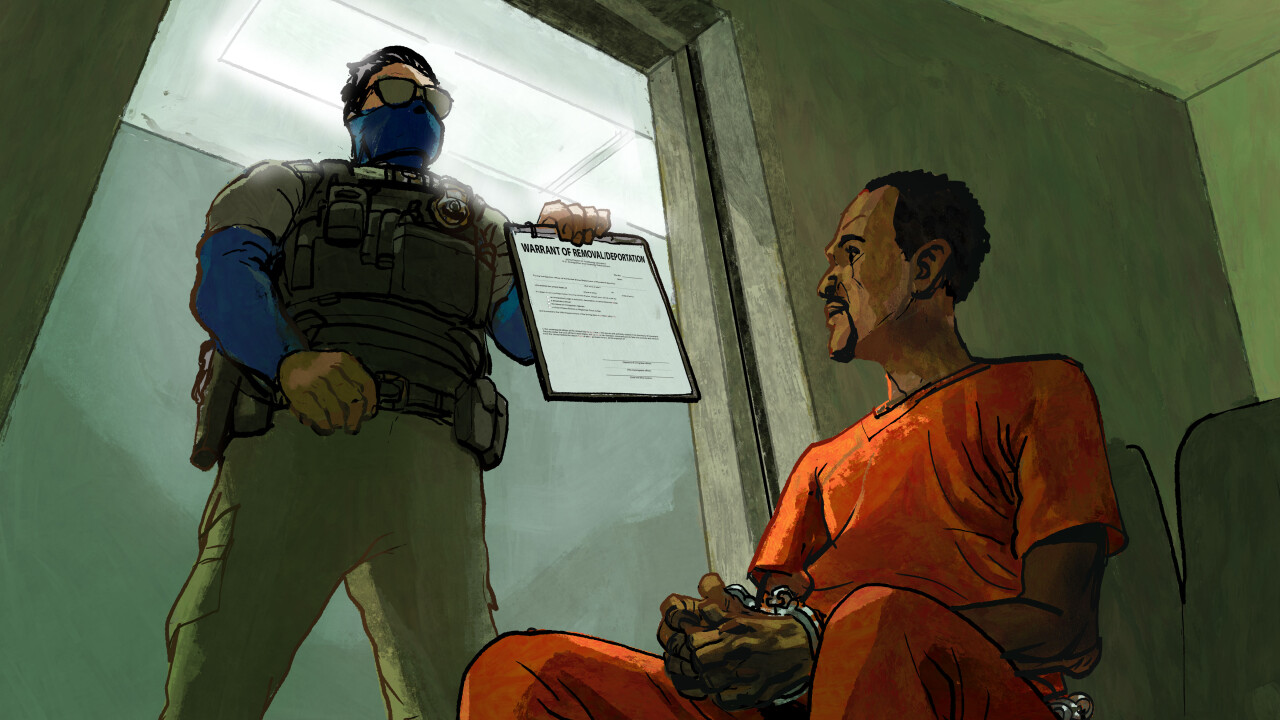
US: Deportations to African Countries Not Their Own
Denied Due Process; Some Returned to Danger in Home Countries
ENG
KO
Tuesday, 8 September 2026
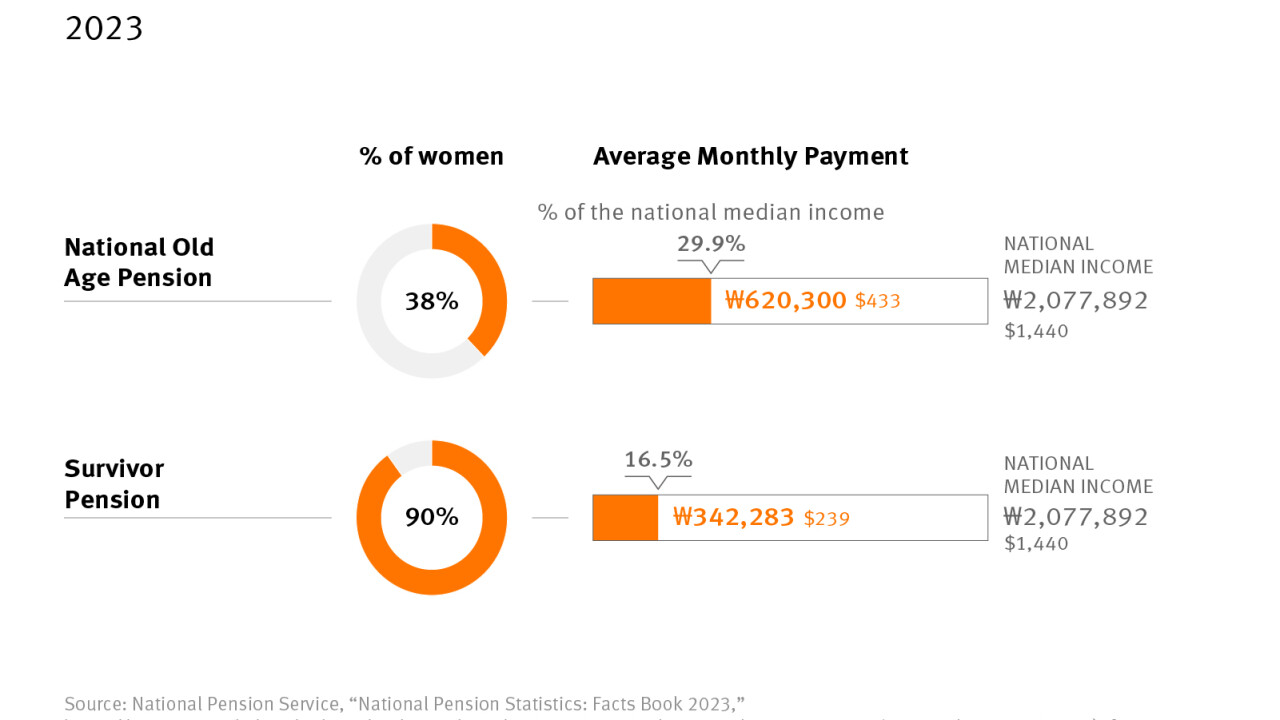
South Korea: Systemic Gender, Age Discrimination at Work
Widen Opportunities, Close Pay and Pension Gaps for Women