Russia: Adult Prospects Dim for Youth with Disabilities
Feature
Duration
: 5m
Copy and paste this code to embed
this video
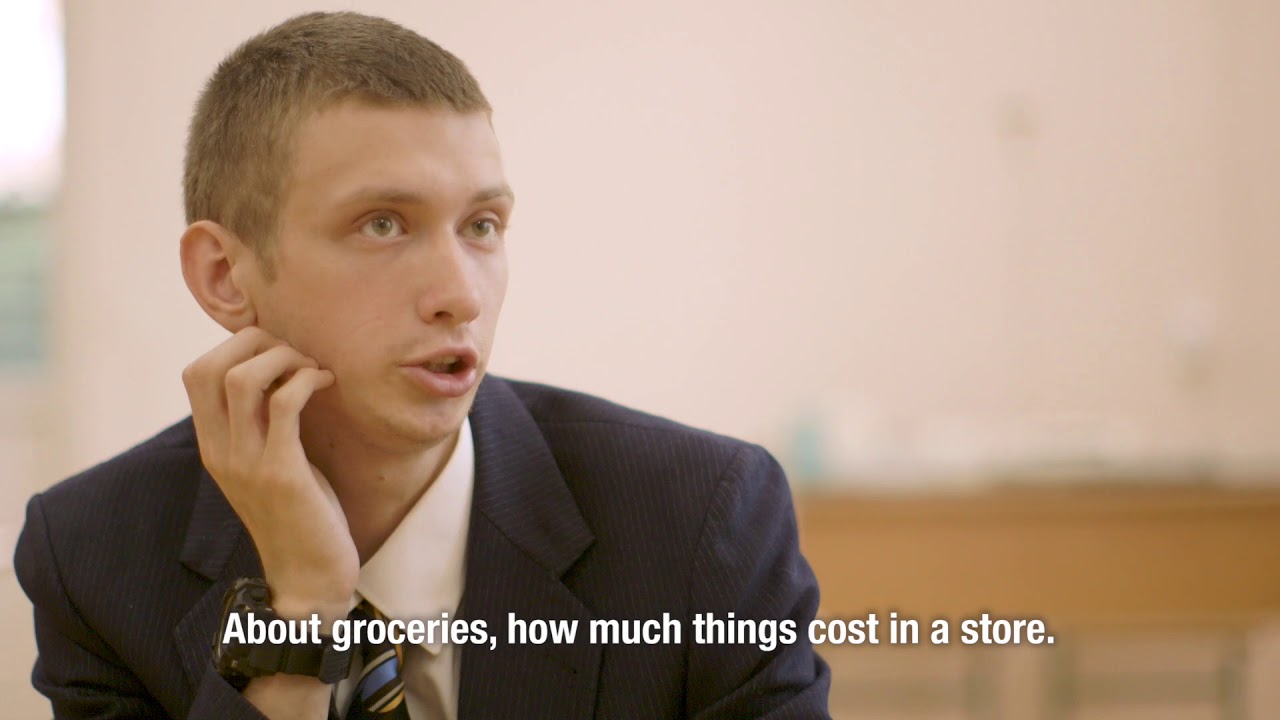
(Moscow, December 6, 2018) – Russian orphanages where children with disabilities grow up often transfer them to closed state institutions for adults when they reach 18 without their consent, Human Rights Watch said today. Those who do move into the community often do not receive the support they need to live independently.
In research from five cities in Russia in 2018, Human Rights Watch documented 28 cases in which directors of children’s orphanages forced or coerced children with a range of disabilities into adult institutions once they turned 18. When children turn 18, they are legally adults and have the right to live independently and be included in the community.
Subject to these Terms, Video Features and Socials may be shared on social media or
embedded on websites by using embed codes found on https://media.hrw.org
(i.e., by using the embed function when using the Services). Video Features and
Socials may not be translated, edited, changed, recast, adapted, altered, transformed, modified,
distorted, doctored or manipulated in any way. You may not create derivative works using Video
Features and Socials.
Subject to these Terms, Images may be publicly displayed. Images cannot be edited,
changed, recast, adapted, altered, transformed, modified, distorted, doctored or manipulated in any way. You may not
create derivative works using Images.
Clip Reels
Subject to these Terms, you may publicly display and publish footage from the Clip Reels, either as
standalone clips or within your own video edits. You may not however in any way change, recast, adapt, alter,
transform, or modify the footage from the Clip Reels in a manner that is misleading, a
misrepresentation, or out of context (i.e., without the accurate surrounding words or circumstances), such that the
original meaning of the footage from the Clip Reels is changed or such that the footage would not
be fully understandable or clear. You may not distort, doctor or manipulate any footage from the Clip
Reels. Any translations or subtitles you include with the footage from the Clip Reels
must strictly adhere to HRW’s transcription of soundbites, when such transcriptions are made available with the
Clip Reels. You must strictly adhere to HRW’s credit instructions for any content used from the
Clip Reels and include all necessary credit in a reasonable manner.
201812DRD_RUSSIA_CLIPREEL
(361.7 MB) - (video with subtitles)
Subject to these Terms, Video Features and Socials may be shared on social media or
embedded on websites by using embed codes found on https://media.hrw.org
(i.e., by using the embed function when using the Services). Video Features and
Socials may not be translated, edited, changed, recast, adapted, altered, transformed, modified,
distorted, doctored or manipulated in any way. You may not create derivative works using Video
Features and Socials.
Subject to these Terms, Images may be publicly displayed. Images cannot be edited,
changed, recast, adapted, altered, transformed, modified, distorted, doctored or manipulated in any way. You may not
create derivative works using Images.
Clip Reels
Subject to these Terms, you may publicly display and publish footage from the Clip Reels, either as
standalone clips or within your own video edits. You may not however in any way change, recast, adapt, alter,
transform, or modify the footage from the Clip Reels in a manner that is misleading, a
misrepresentation, or out of context (i.e., without the accurate surrounding words or circumstances), such that the
original meaning of the footage from the Clip Reels is changed or such that the footage would not
be fully understandable or clear. You may not distort, doctor or manipulate any footage from the Clip
Reels. Any translations or subtitles you include with the footage from the Clip Reels
must strictly adhere to HRW’s transcription of soundbites, when such transcriptions are made available with the
Clip Reels. You must strictly adhere to HRW’s credit instructions for any content used from the
Clip Reels and include all necessary credit in a reasonable manner.
201812DRD_RUSSIA_CLIPREEL
(362.8 MB) - (video without subtitles)