
Demonizing immigrants as criminals is not only inaccurate, but dangerous. Undocumented residents play an important role in keeping communities safe. Just ask residents of Gypsum, Colorado.
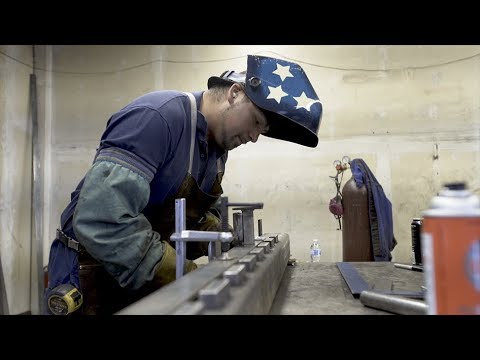
On September 4, 2014, a 23-year-old construction worker Alan Gonzalez stopped by a local store and discovered an armed robbery in progress. Children were attending pre-school a few doors down. Rather than turn away, Gonzalez went in and confronted the robbers. One pointed a fully loaded 9 mm handgun at his forehead and told him not to call the police. The gunman and his accomplice then fled, but Gonzalez ran after them. He quickly caught the gunman and put him into a headlock. During the ensuing struggle, Gonzalez was shot twice. After Gonzalez was shot a third time, the gunman was able to run away—but Gonzalez was so determined to stop the suspect that he chased him until eventually collapsing on the sidewalk covered in his own blood.
Miraculously, Gonzalez survived and became a star witness for the prosecution. The prosecutor said had Gonzalez not chased down the robbers, they might never have been caught. As a result of his testimony, the shooter and three others involved in the crime spree were sent to prison. Gonzalez is an undocumented immigrant from Mexico. He could have decided it was in his best interest to disappear rather than draw attention to himself by trying to stop a crime. Yet he chose to stop a robbery and cooperate with law enforcement, putting his own life, and his life in the United States, at risk. The court and prosecutor hailed him as a “hero.” Police in town nicknamed him “Superman.”
Gonzalez is not the only hero I met investigating US policy on special visas given to those who assist with investigations or prosecutions of certain crimes. Thousands of undocumented immigrants come forward every year and put themselves at great risk to help prosecutors and police stop crimes, making communities safer for everyone. If immigrants believe they will be treated as criminals by law enforcement, cooperation will cease. If we are serious about keeping communities safe, we need to build trust, not walls.
Thursday, 10 January 2019
Available in
Why Trump’s Portrayal of Undocumented Immigrants Couldn’t be More Wrong
Videos (1)
Feature
3m 53s
Related News
ENG
FRA
ESP
Thursday, 8 October 2026
US: Deportations to African Countries Not Their Own
Denied Due Process; Some Returned to Danger in Home Countries

ENG
ESP
Tuesday, 21 July 2026
US/Ecuador: Abuses Proliferate as Security Cooperation Deepens
Congress Should Investigate US Role in Land, Sea Attacks
ENG
ESP
Tuesday, 26 May 2026
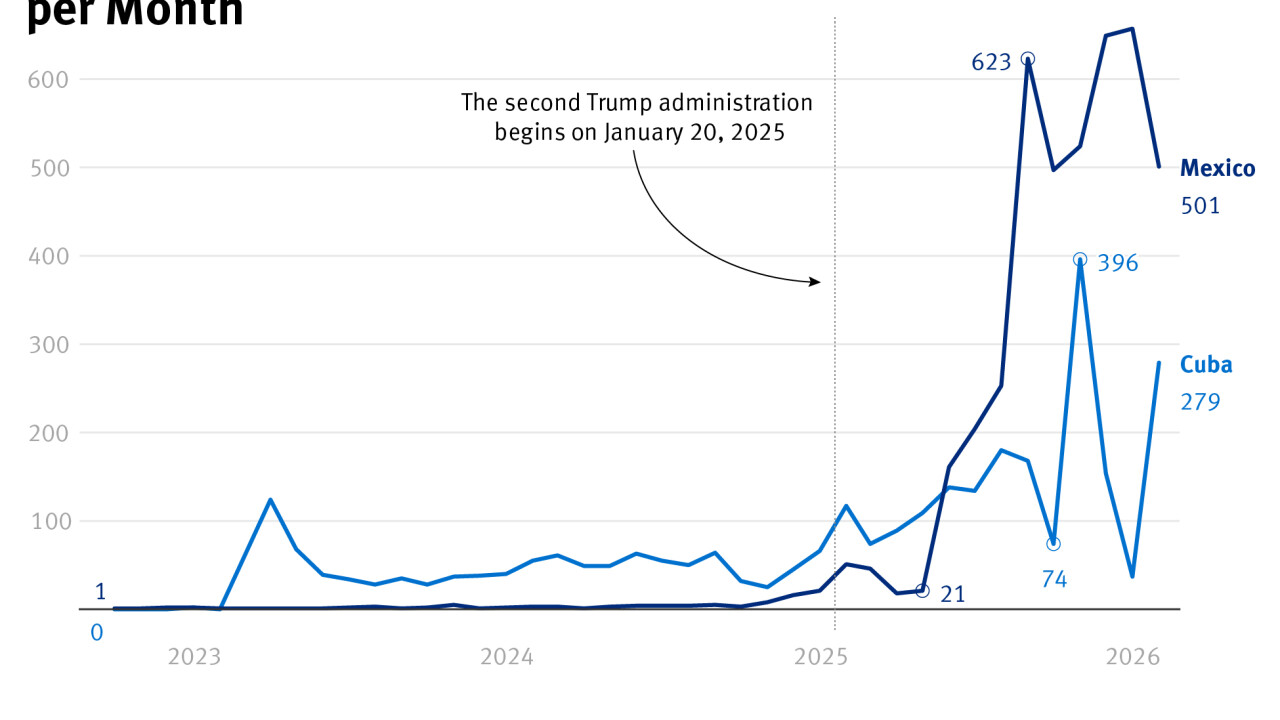
US/Mexico: Cubans Deported to Mexico, Abandoned, At Risk
US Deports Long-Term Residents; Mexico Offers No Shelter, Health Care, or Legal Path