
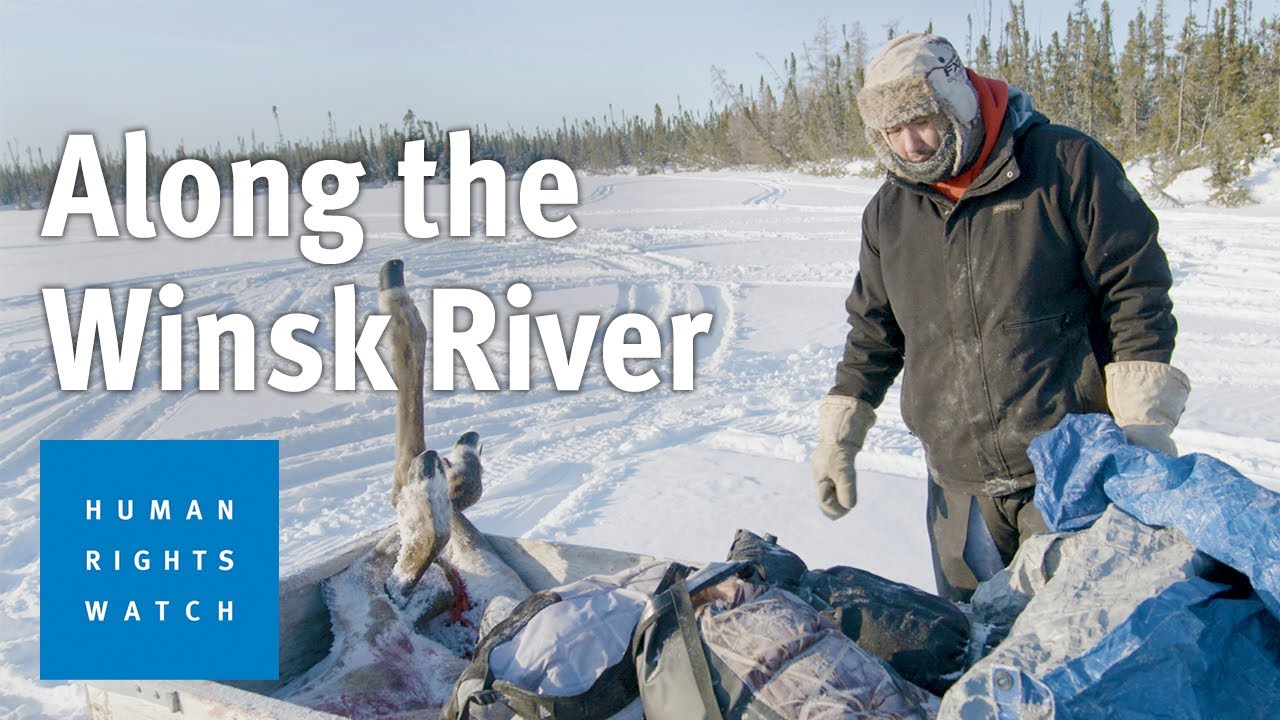
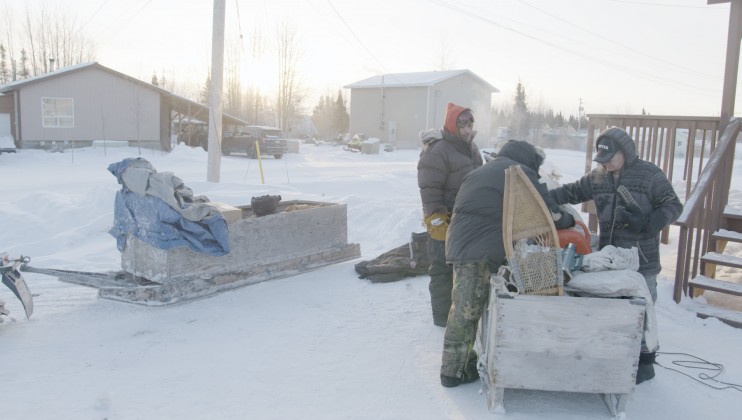
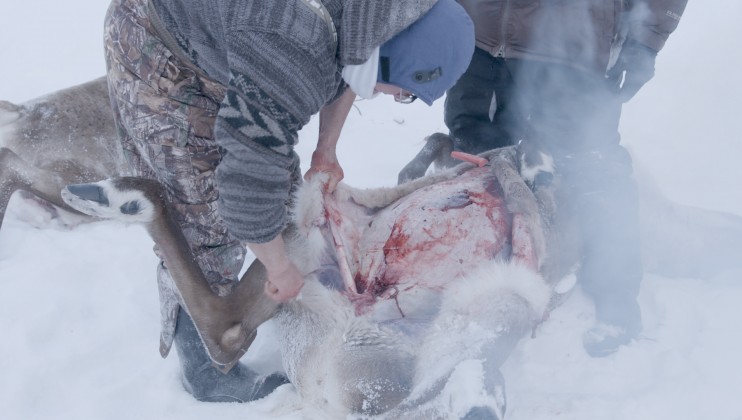
(Ottawa, October 21, 2020) – Climate change is taking a growing toll on First Nations in Canada, depleting food sources and affecting health, Human Rights Watch said in a report released today. The Canadian government is not adequately supporting First Nations’ efforts to adapt to the mounting crisis and is failing to do its part to reduce the global greenhouse gas emissions that are driving it.
The 122-page report, “‘My Fear is Losing Everything’: The Climate Crisis and First Nations’ Right to Food in Canada,” documents how climate change is reducing First Nations’ traditional food sources, driving up the cost of imported alternatives, and contributing to a growing problem of food insecurity and related negative health impacts. Canada is warming at more than twice the global rate, and northern Canada at about three times the global rate. Despite its relatively small population, Canada is still a top 10 greenhouse gas emitter, with per capita emissions 3 to 4 times the global average.
Canada: Climate Crisis Toll on First Nations’ Food Supply
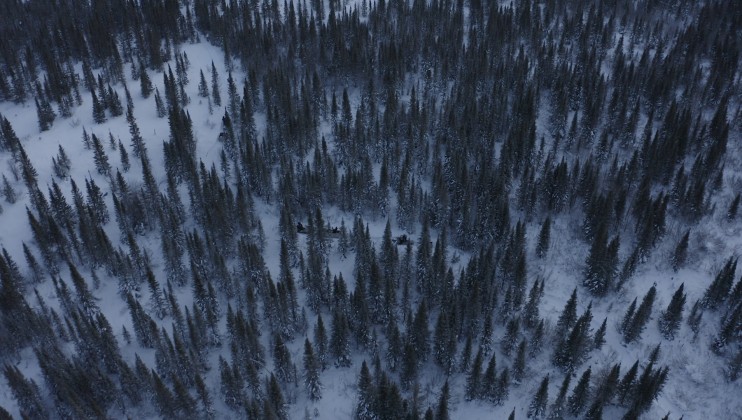
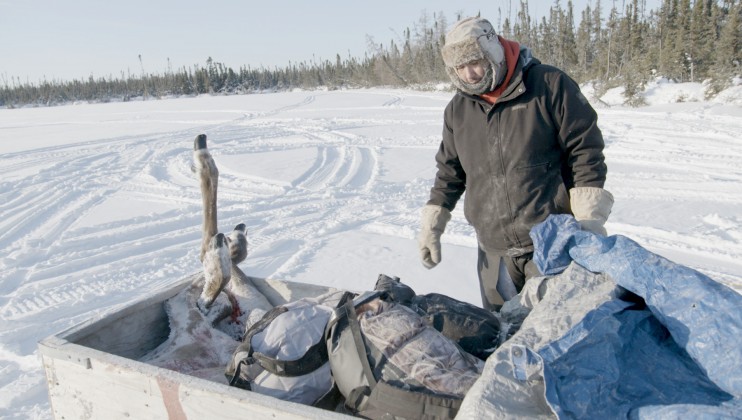
Videos (2)
Feature
9m 57s

Clip Reel
12m 55s




Related News
ENG
Monday, 12 October 2026
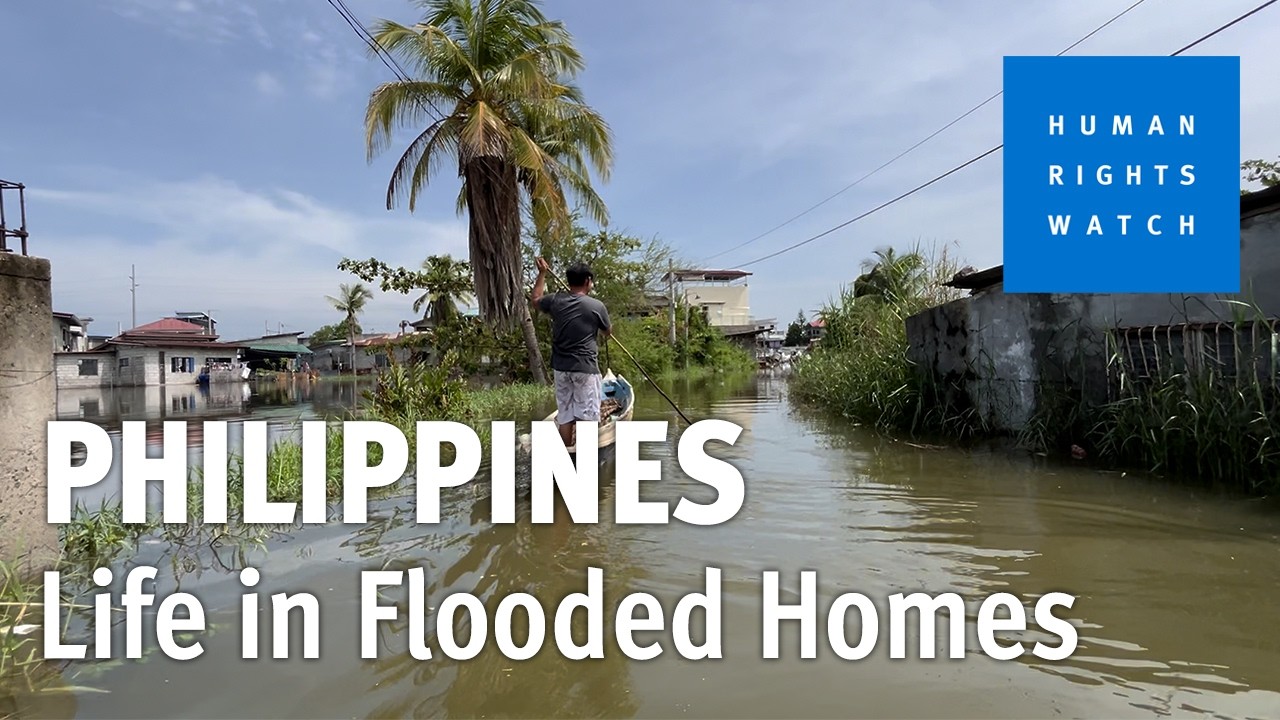
Philippines: Flood Control Project Disregards Rights
Pampanga Residents Face Flooding, Lack of Livelihoods at Relocation Site

ENG
Wednesday, 30 September 2026
Solwata: An Immersive Documentary
ENG
FRA
Wednesday, 22 July 2026
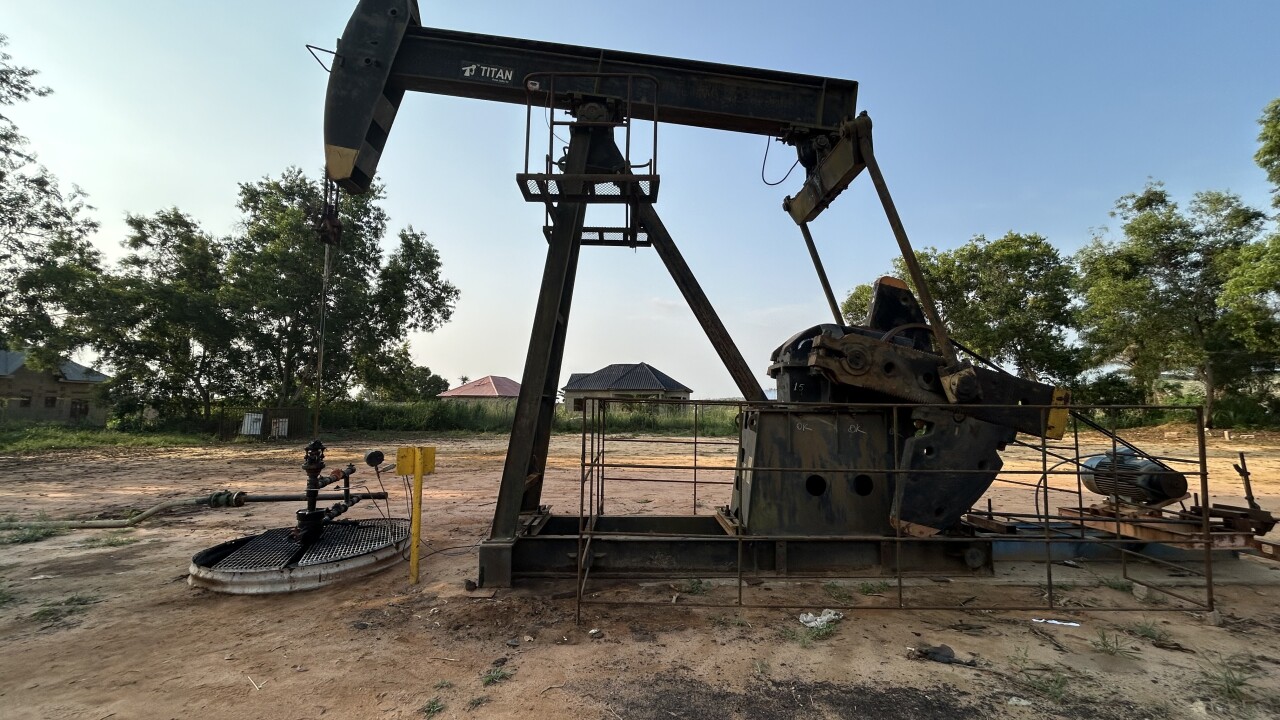
DR Congo: Oil Company Operations Pose Grave Pollution Threat
Transparency Needed to Address Health Risks to Nearby Communities