
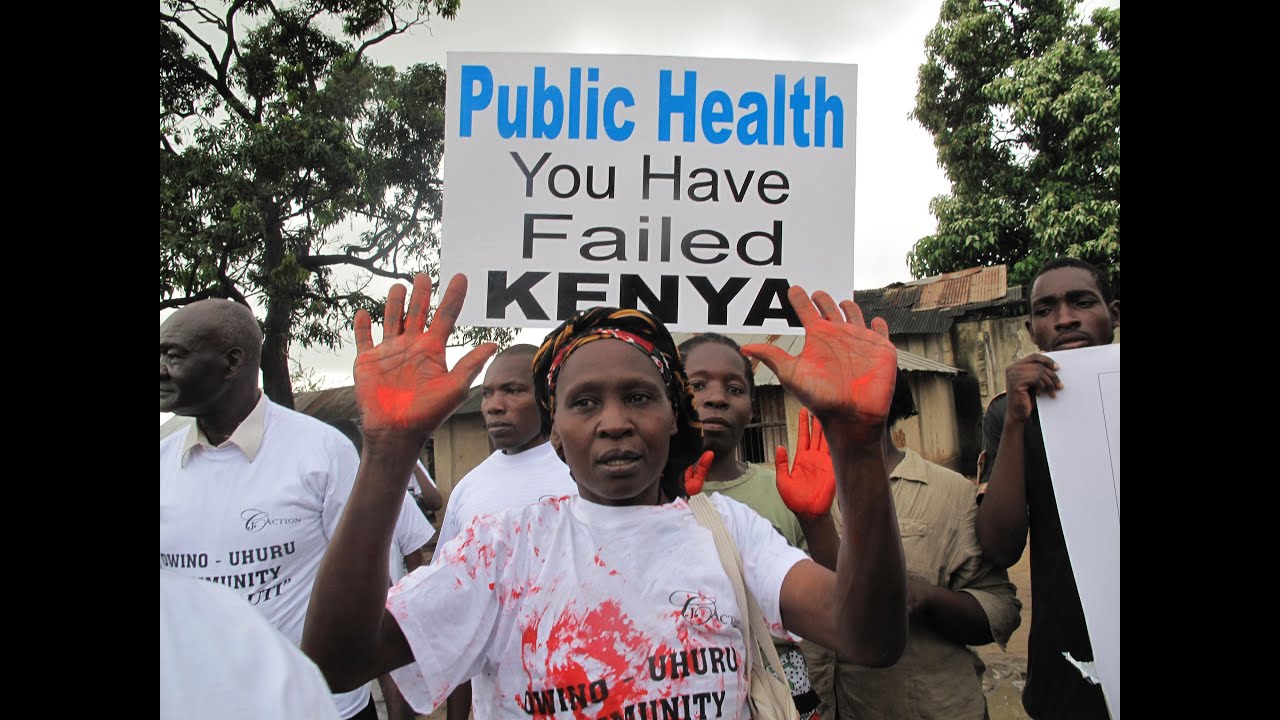
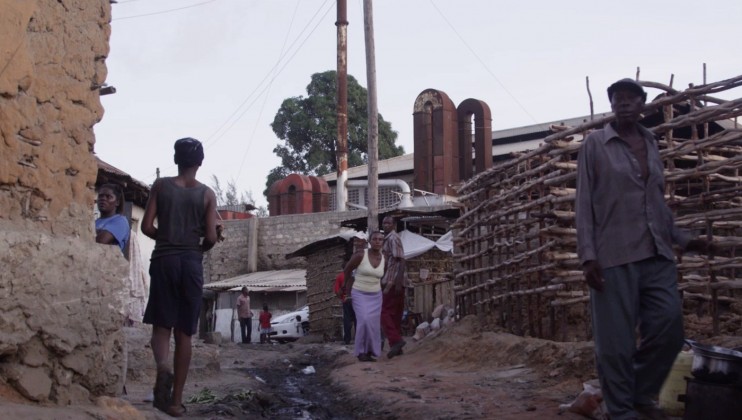
Thousands of people in a poor urban district outside Mombasa face serious health consequences from toxic lead from a battery recycling plant. The crisis is the result of the Kenyan government’s failure to adequately regulate the lead smelter in the Owino Uhuru district.
Human Rights Watch released a film, Kenya: Factory Poisons Community, documenting the health and environmental damage caused by the smelter, threats to activists working on the issue, and efforts by local residents to seek justice. At least three workers at the smelter have died from lead poisoning, and the community of 3,000 people remains contaminated. The government should provide lead poisoning testing, clean up homes and public spaces in the community, and provide compensation for victims.
KENYA: FACTORY POISONS COMMUNITY
Videos (1)
Feature
6m 29s
Related News
ENG
FRA
ESP
Thursday, 8 October 2026
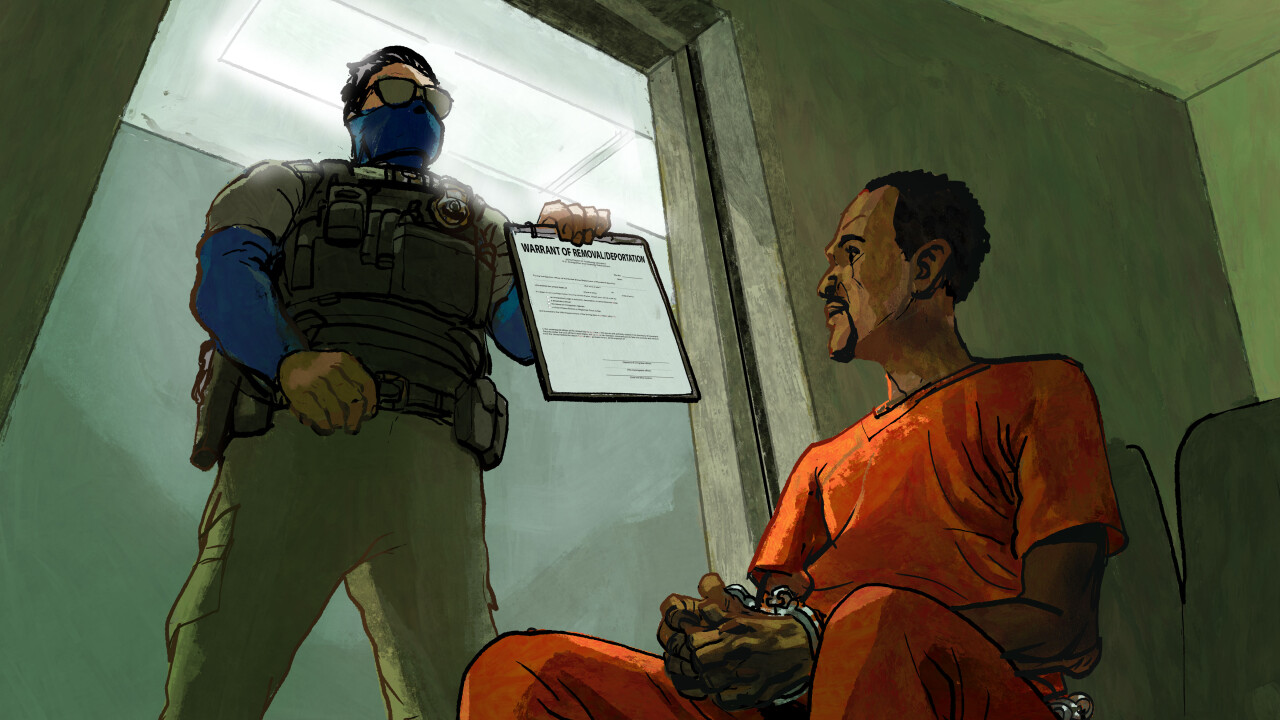
US: Deportations to African Countries Not Their Own
Denied Due Process; Some Returned to Danger in Home Countries
ENG
FRA
Wednesday, 22 July 2026
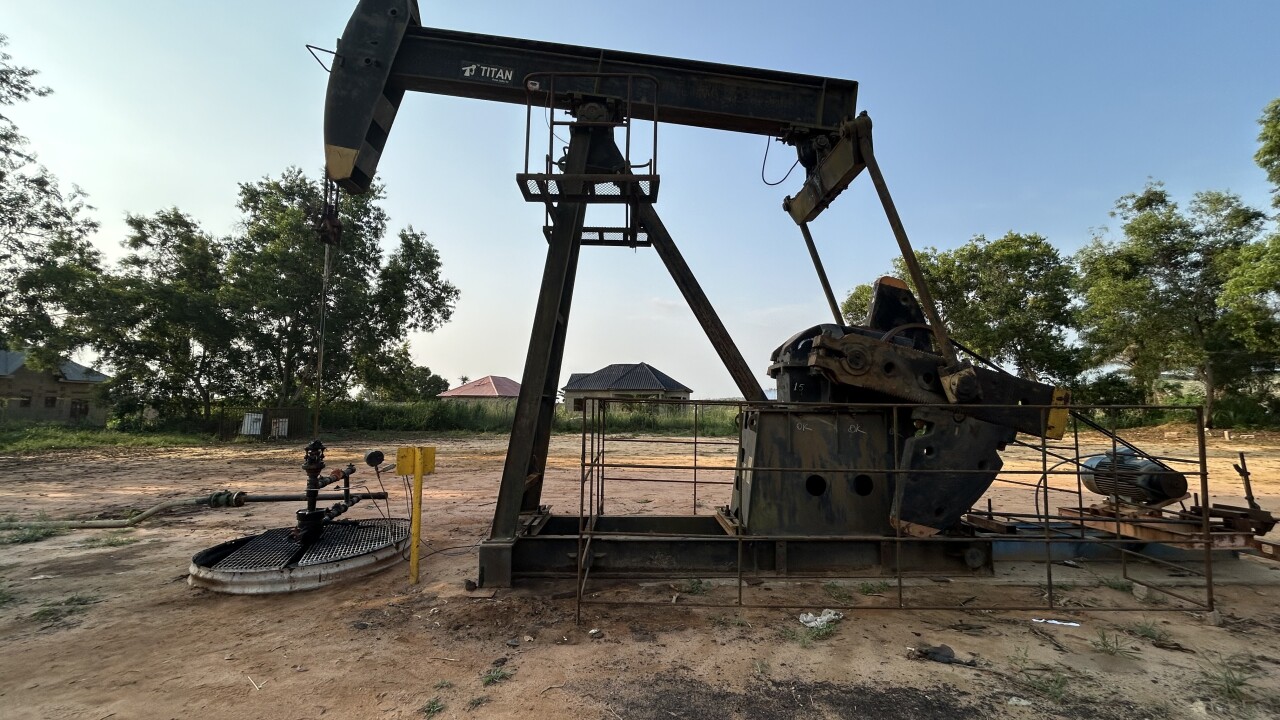
DR Congo: Oil Company Operations Pose Grave Pollution Threat
Transparency Needed to Address Health Risks to Nearby Communities
ENG
Friday, 12 June 2026
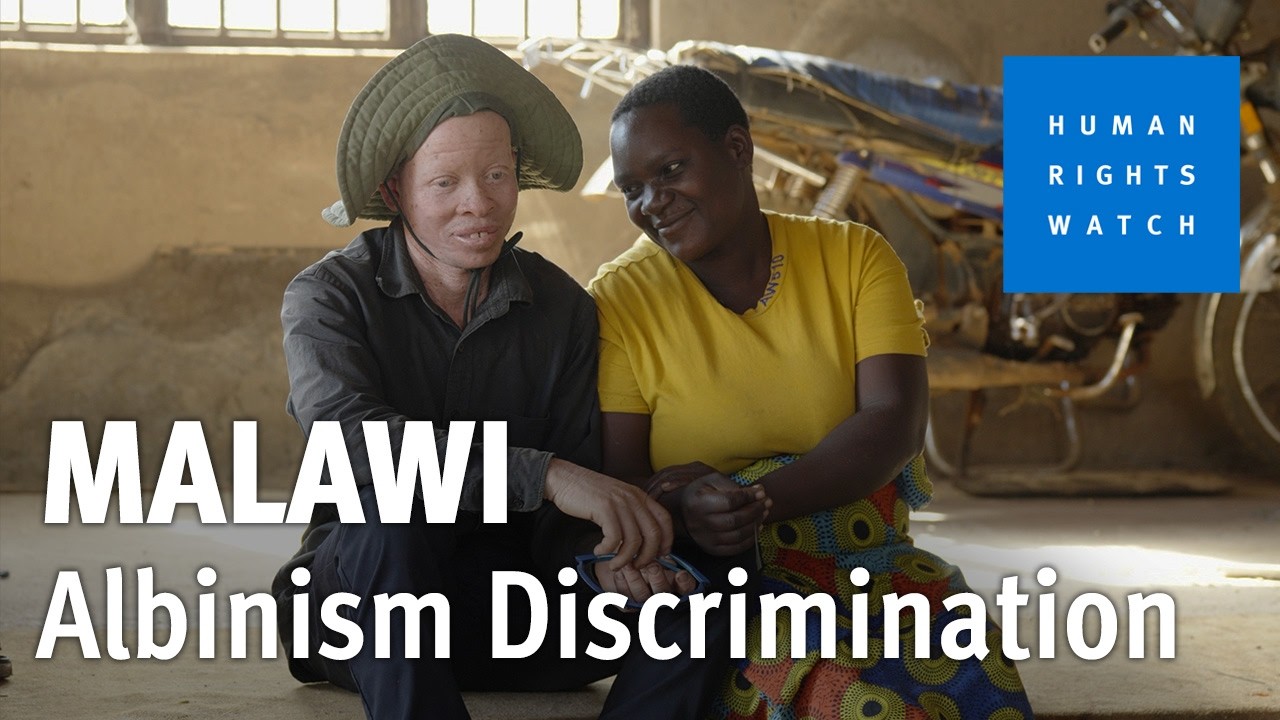
Malawi: People with Albinism Face Discrimination, Barriers to Work
Stigma, Insecurity, Lack of Accommodations Undermine Rights