
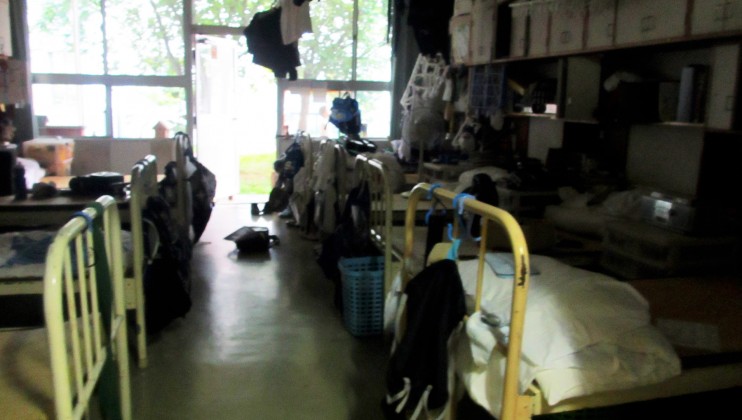
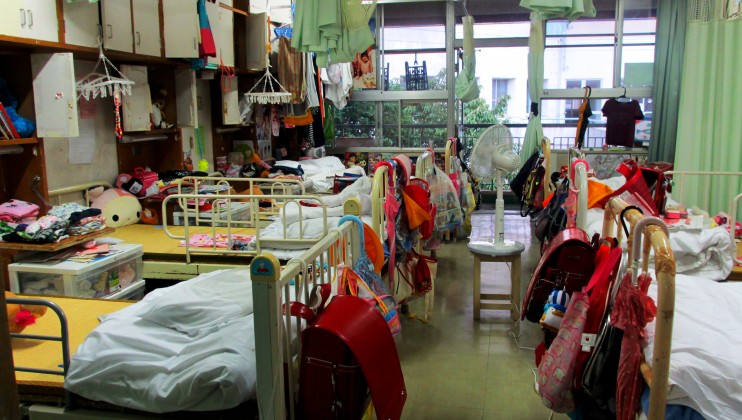
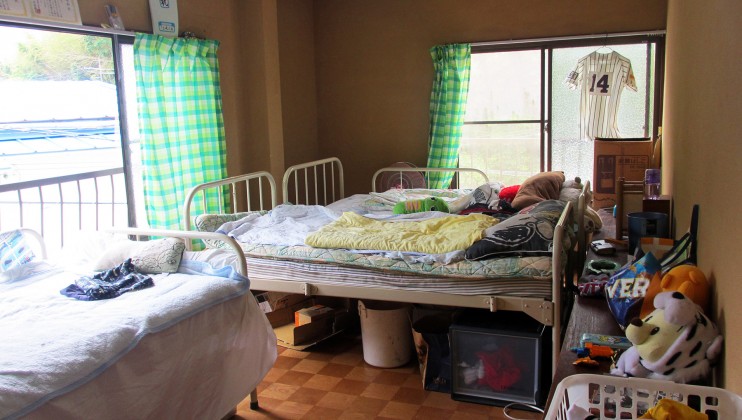
(Tokyo, May 1, 2014) – Japan’s overwhelming use of institutions instead of family-based care is failing thousands of vulnerable children by not preparing them for independent, productive lives in Japanese society, Human Rights Watch said in a new report released today.
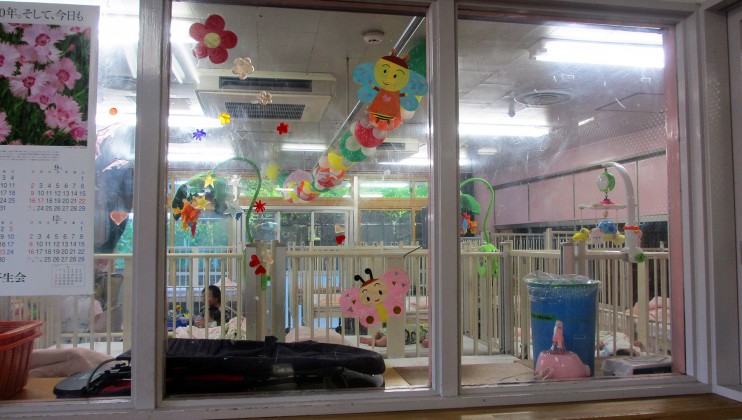
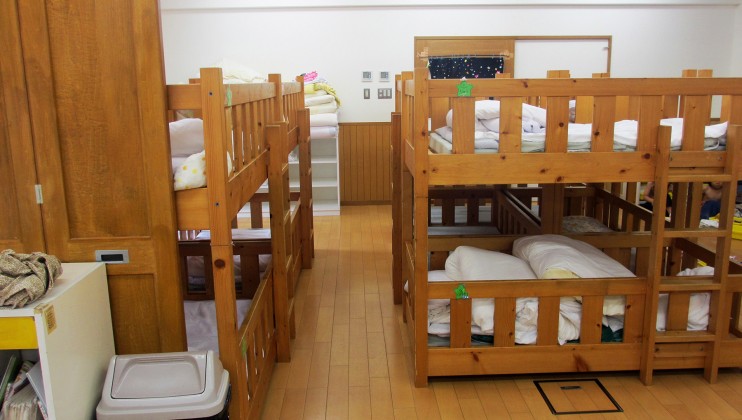
According to government statistics, more than 39,000 children in Japan live in different kinds of institutions across the country. These are “alternative care” settings, including infant care institutions, child care institutions, short-term therapeutic institutions, group homes for independent living, and foster care and family homes. The children were removed from their families because the authorities determined that their parents were either unable or unwilling to care for them properly.
TO READ THE REPORT, 'Without Dreams: Children in Alternative Care in Japan' CLICK HERE
JAPAN: CHILDREN IN INSTITUTIONS DENIED FAMILY LIFE
Feature
Duration
: 14m 15s
Videos (1)
Clip Reel
14m 29s
Related News

ENG
Monday, 12 October 2026
Philippines: Flood Control Project Disregards Rights
Pampanga Residents Face Flooding, Lack of Livelihoods at Relocation Site
ENG
KO
Tuesday, 8 September 2026
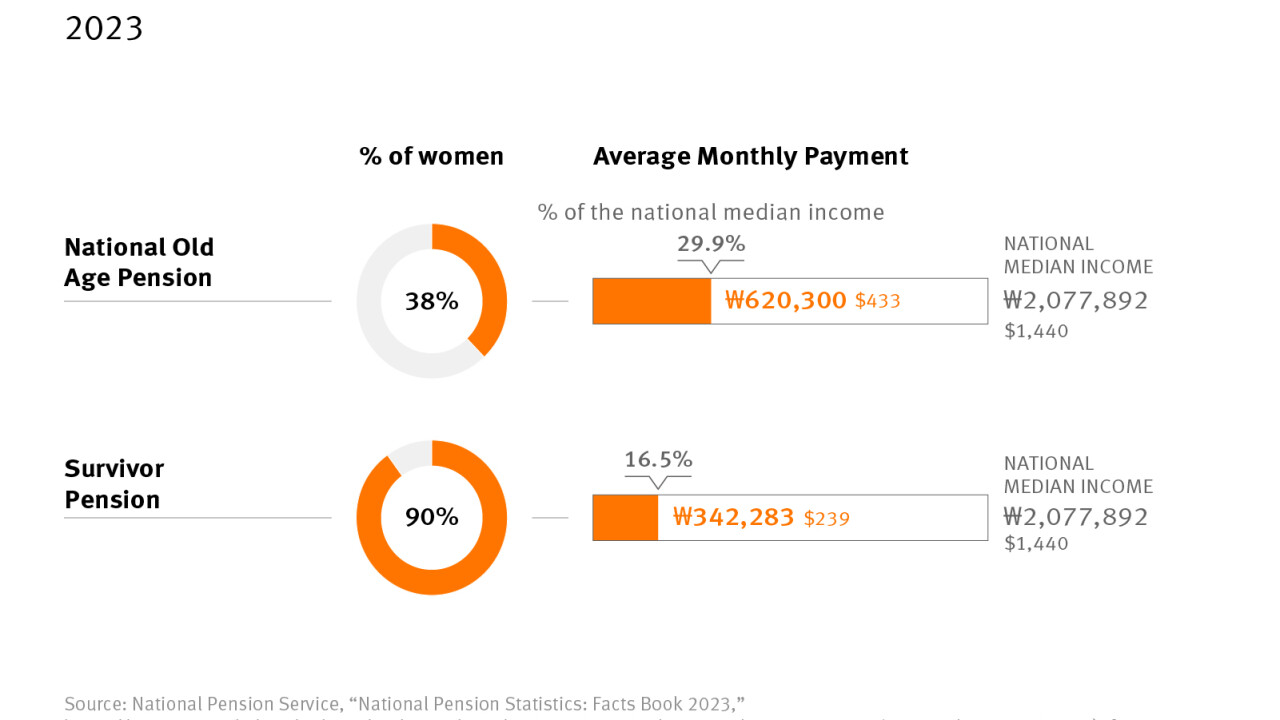
South Korea: Systemic Gender, Age Discrimination at Work
Widen Opportunities, Close Pay and Pension Gaps for Women
ENG
Wednesday, 20 May 2026
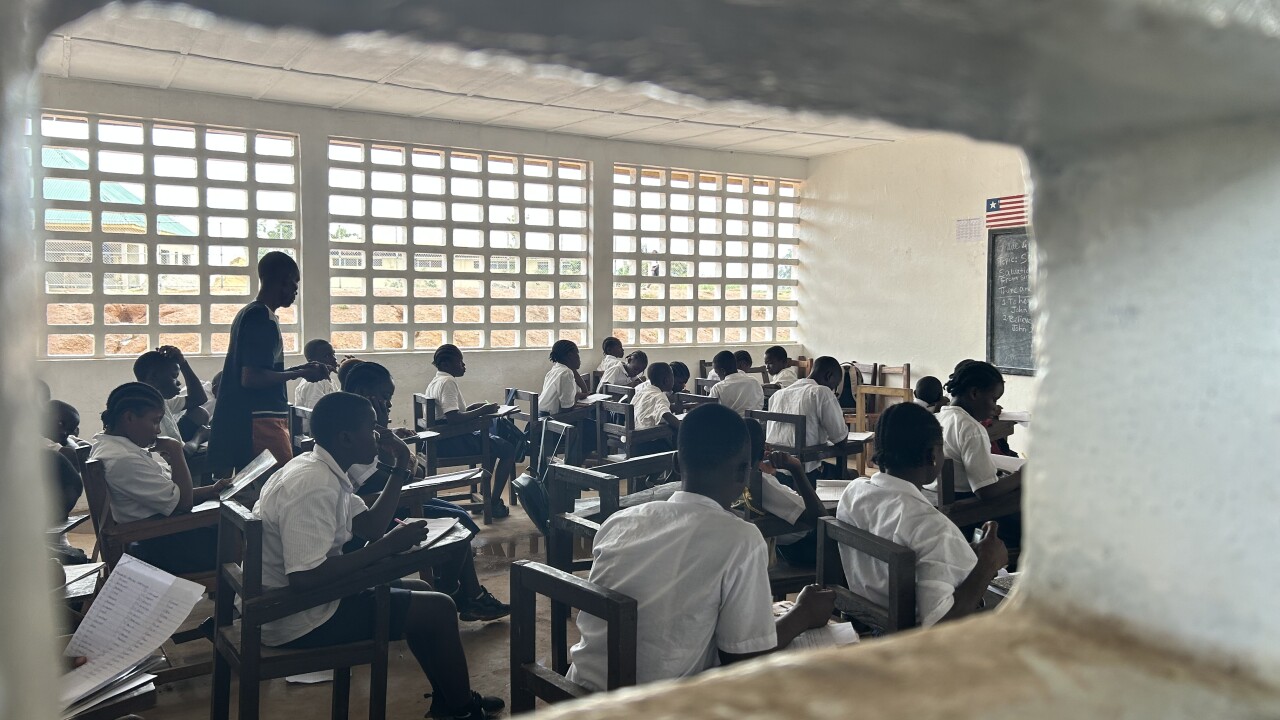
Liberia: School Fees Block Children’s Access to Education
Eliminate Registration Fees; Expand School Grants; Improve Education Quality