
(Washington, DC, May 1, 2013) – Harsh public registration laws often punish youth sex offenders for life and do little to protect public safety, Human Rights Watch said in a report released today. A web of federal and state laws apply to people under 18 who have committed any of a wide range of sex offenses, from the very serious, like rape, to the relatively innocuous, such as public nudity.
The report, “Raised on the Registry: The Irreparable Harm of Placing Children on Sex Offender Registries in the US,” details the harm public registration laws cause for youth sex offenders. The laws, which can apply for decades or even a lifetime and are layered on top of time in prison or juvenile detention, require placing offenders’ personal information on online registries, often making them targets for harassment, humiliation, and even violence. The laws also severely restrict where, and with whom, youth sex offenders may live, work, attend school, or even spend time.
“Of course anyone responsible for a sexual assault should be held accountable,” said Nicole Pittman, Soros Senior Justice Advocacy Fellow at Human Rights Watch and author of the report. “But punishment should fit both the offense and the offender, and placing children who commit sex offenses on a public registry – often for life – can cause more harm than good.”
States and the federal government should exempt people who commit sex offenses when they are under age 18 from public registration laws because the laws violate youth offenders’ basic rights, Human Rights Watch said. Available research indicates that youth sex offenders are among the least likely to reoffend.
Wednesday, 1 May 2013
Available in
US: Raised on the Sex Offender Registry
Feature
Duration
: 4m 21s
Videos (1)

Clip Reel
2m 59s
Related News
ENG
FRA
ESP
Thursday, 8 October 2026
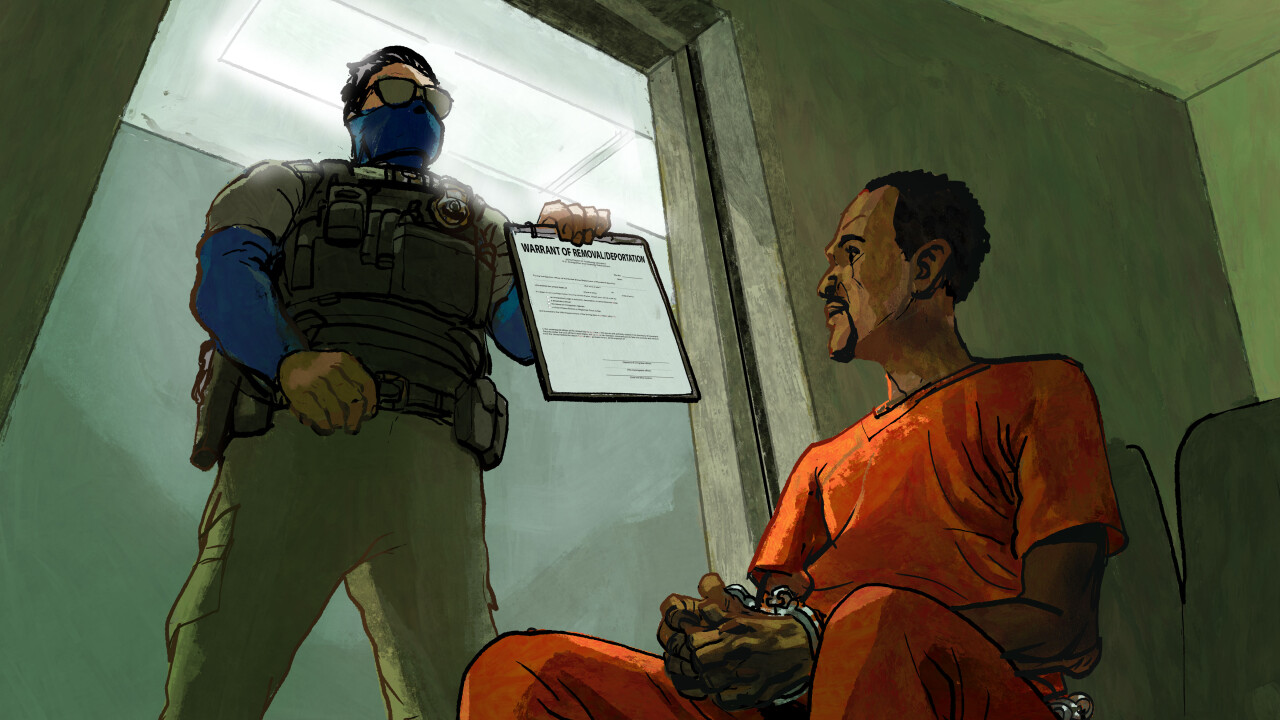
US: Deportations to African Countries Not Their Own
Denied Due Process; Some Returned to Danger in Home Countries
ENG
ESP
Tuesday, 21 July 2026
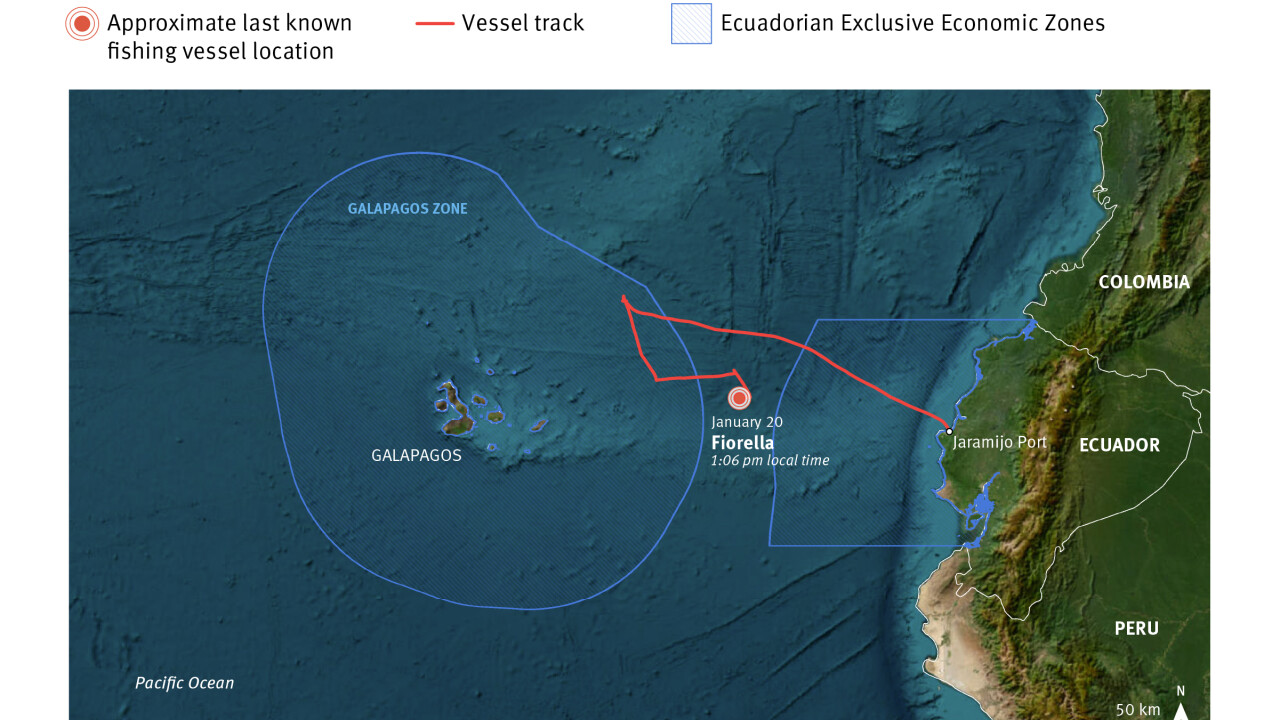
US/Ecuador: Abuses Proliferate as Security Cooperation Deepens
Congress Should Investigate US Role in Land, Sea Attacks
ENG
ESP
Tuesday, 26 May 2026
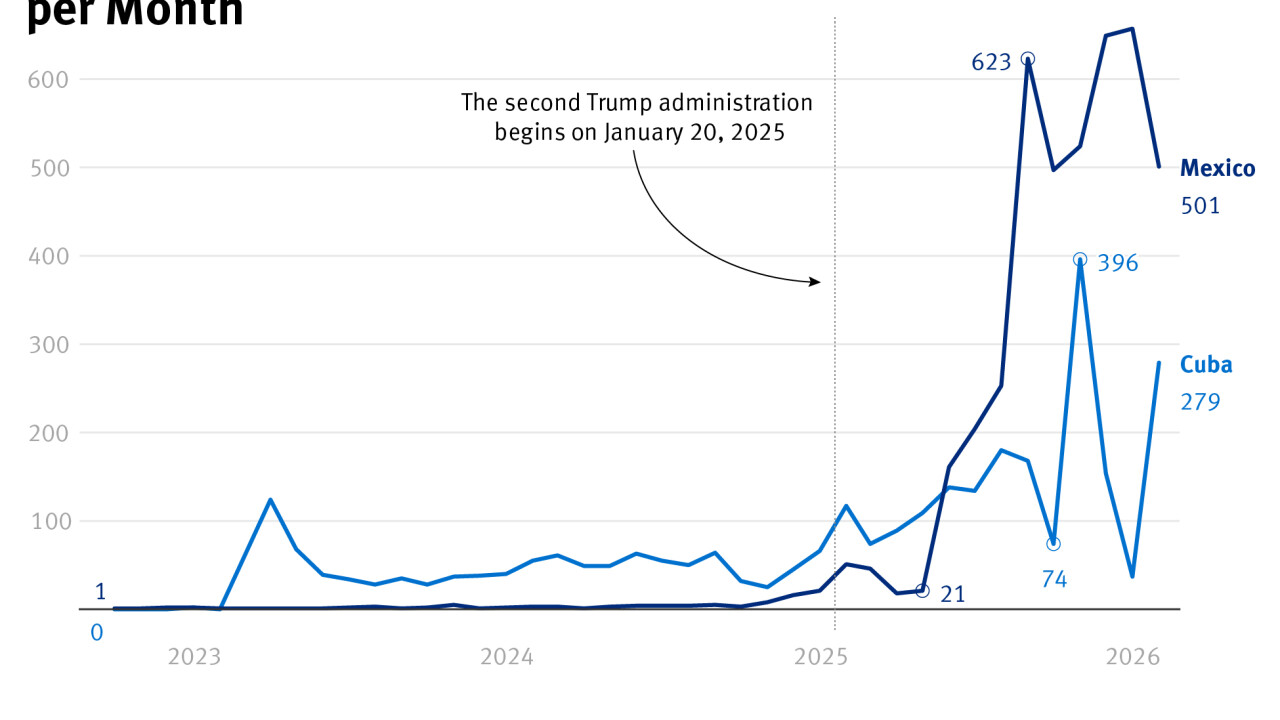
US/Mexico: Cubans Deported to Mexico, Abandoned, At Risk
US Deports Long-Term Residents; Mexico Offers No Shelter, Health Care, or Legal Path