
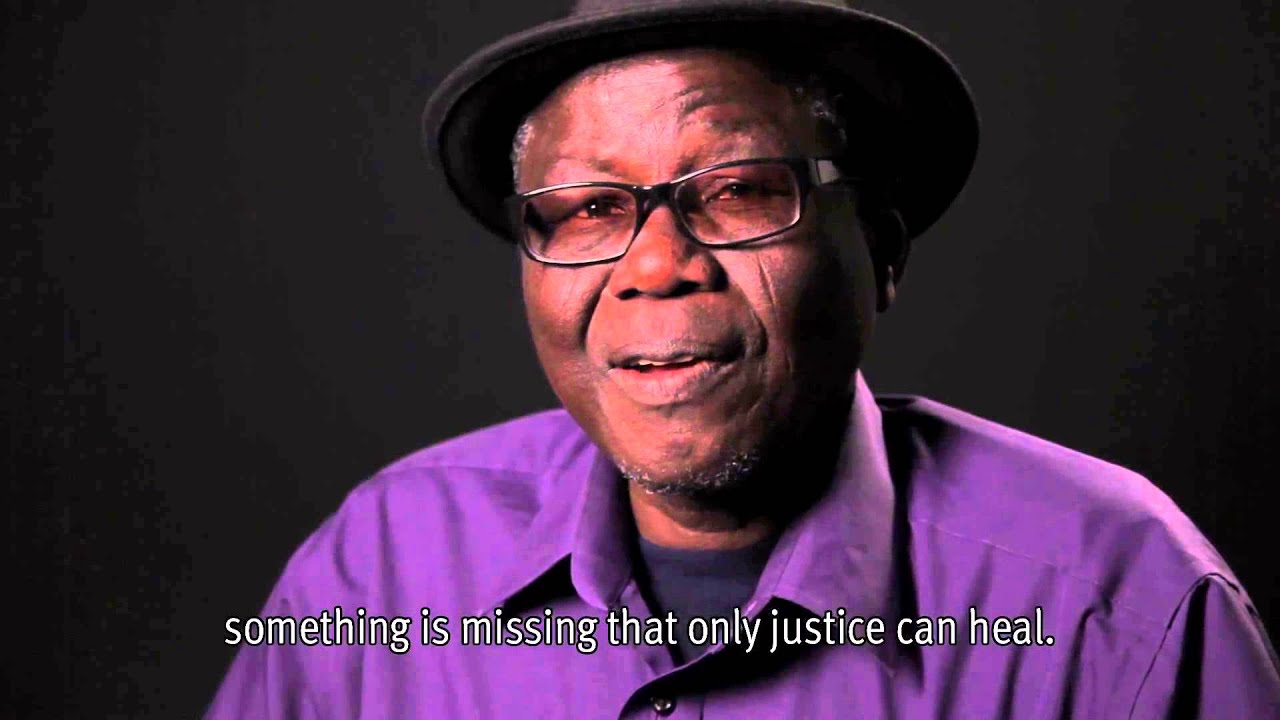
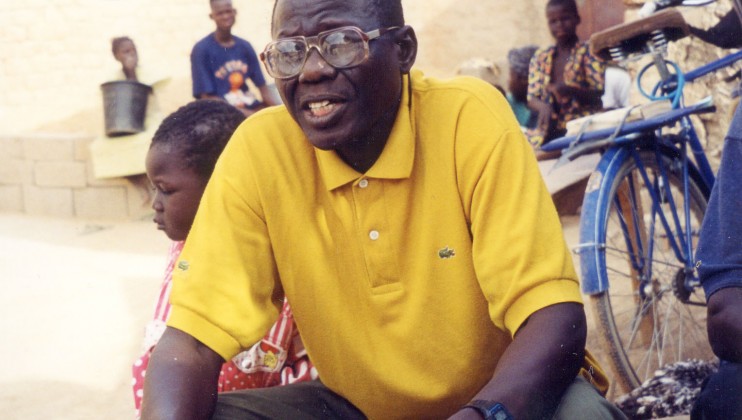
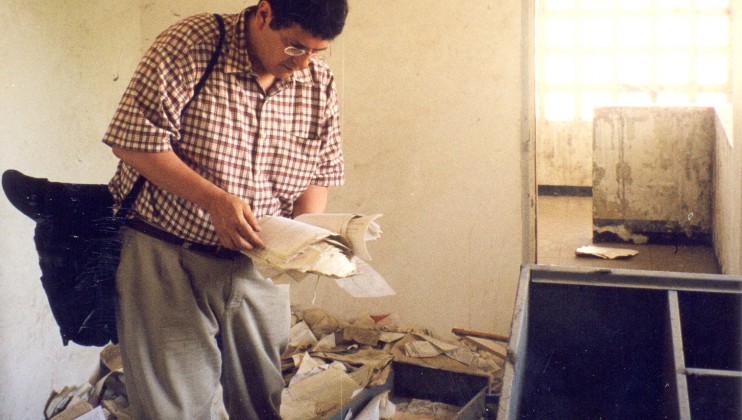
(February 8, 2013)- In Chad, it’s often said that you can’t find a family that doesn’t have a victim from the Hissène Habré years.
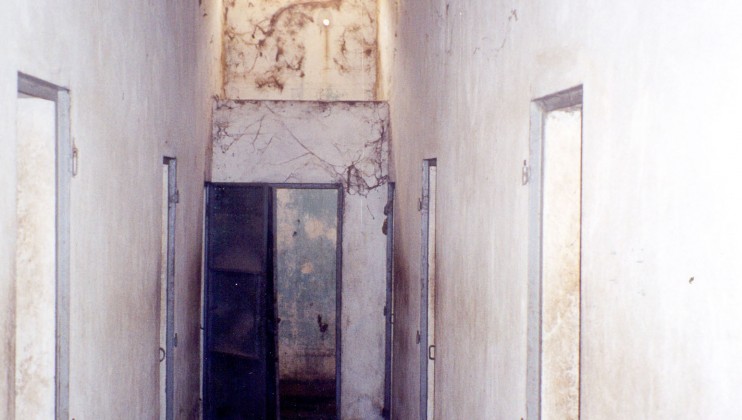
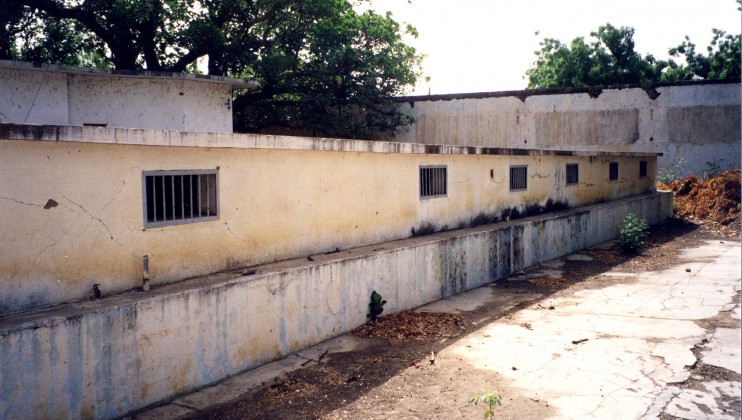
Habré, the dictator who ruled Chad from 1982 to 1990, is accused of thousands of political killings, systematic torture, and waves of ethnic cleansing campaigns.
After his overthrow in 1990, Habré allegedly emptied Chad’s treasury and fled to Senegal, where he has been comfortably living for 22 years.
Since 2000, survivors of Habré’s regime have sought justice through every possible avenue, including through the courts of both Senegal and Belgium. The case has gone to the United Nations and even the International Court of Justice (ICJ).
The victims' saga became what Bishop Desmond Tutu, the Nobel Peace Prize winner, described as an “interminable political and legal soap opera.”
Now, however, Habré may finally face trial. It is only the tenacity and perseverance of his victims that have kept the case alive for so many years.
In July 2012, the ICJ ordered Senegal to prosecute Habré “without further delay” if it did not extradite him. On August 22, 2012, Senegal and the African Union signed an agreement creating “Extraordinary African Chambers” within the Senegalese judiciary system to prosecute genocide, crimes against humanity, war crimes, and torture committed in Chad between 1982 and 1990. The Tribunal should be operational in early 2013.
A fair trial for Hissène Habré would be a tremendous step forward to show that African courts can deliver justice for crimes committed in Africa.
Friday, 8 February 2013
Available in
Facing Justice
Feature
Duration
: 5m 8s
Videos (1)
Clip Reel
3m 56s
Related News
ENG
FRA
ESP
Thursday, 8 October 2026
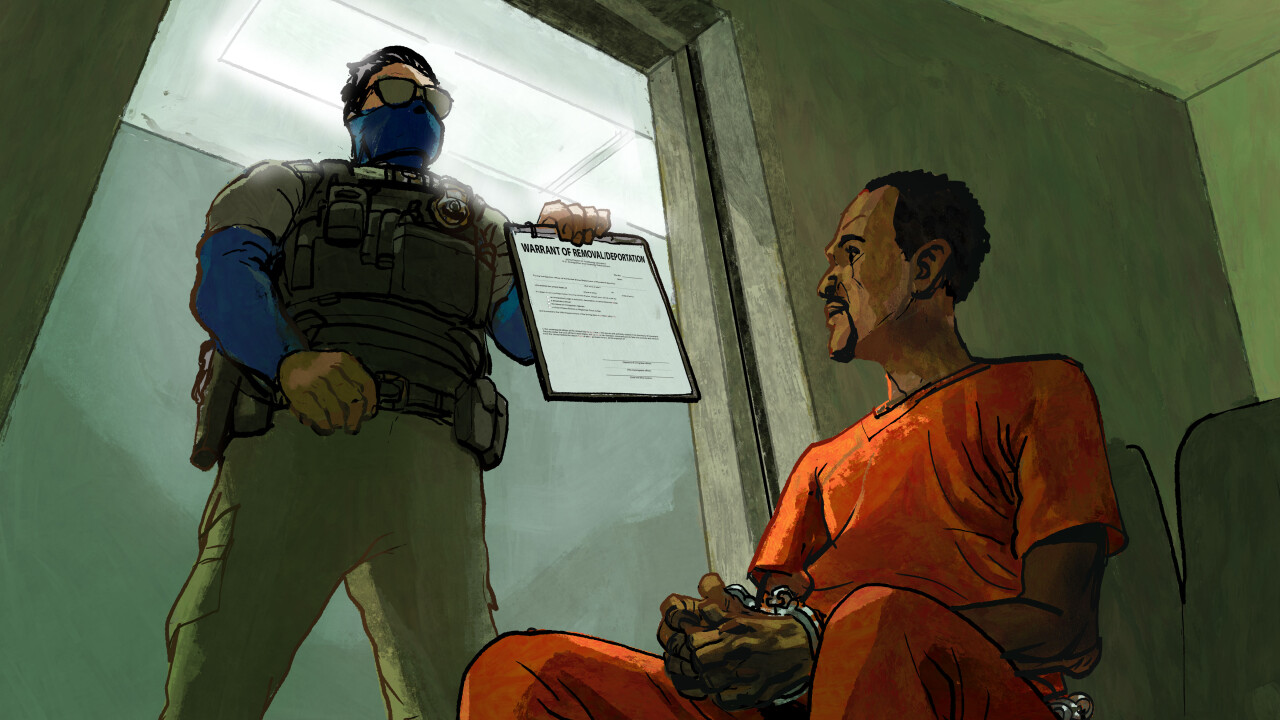
US: Deportations to African Countries Not Their Own
Denied Due Process; Some Returned to Danger in Home Countries

ENG
FRA
Wednesday, 22 July 2026
DR Congo: Oil Company Operations Pose Grave Pollution Threat
Transparency Needed to Address Health Risks to Nearby Communities

ENG
Friday, 12 June 2026
Malawi: People with Albinism Face Discrimination, Barriers to Work
Stigma, Insecurity, Lack of Accommodations Undermine Rights