
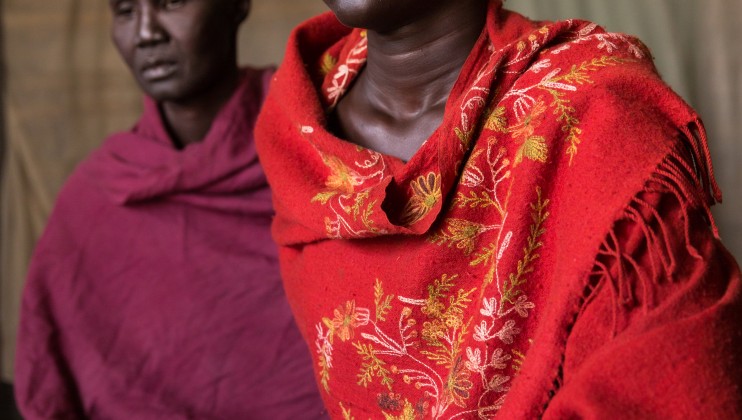
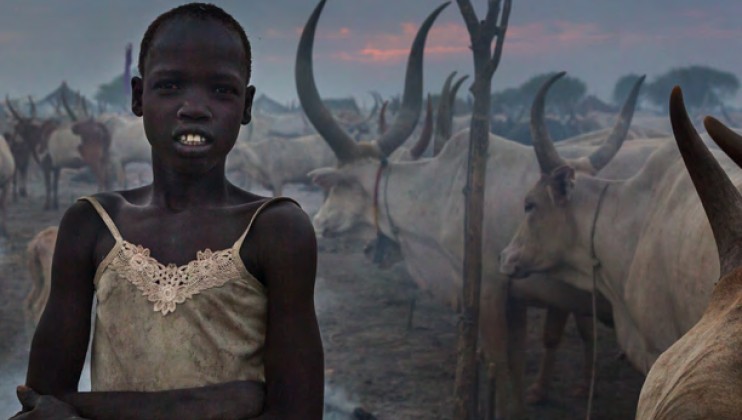
(Juba – March 7, 2013) — The government of South Sudan should increase efforts to protect girls from child marriage, Human Rights Watch said in a report released today, on the eve of International Women’s Day. The country’s widespread child marriage exacerbates South Sudan’s pronounced gender gaps in school enrollment, contributes to soaring maternal mortality rates, and violates the right of girls to be free from violence, and to marry only when they are able and willing to give their free consent.
According to government statistics, close to half (48 percent) of South Sudanese girls between 15 and 19 are married, with some marrying as young as age 12.
The 78-page report, “‘This Old Man Can Feed Us, You Will Marry Him:’ Child and Forced Marriage in South Sudan,” documents the consequences of child marriage, the near total lack of protection for victims who try to resist marriage or leave abusive marriages, and the many obstacles they face in accessing mechanisms of redress. It is based on interviews with 87 girls and women in Central Equatoria, Western Equatoria, and Jonglei states, as well as with government officials, traditional leaders, health care workers, legal and women’s rights experts, teachers, prison officials, and representatives of NGO, UN, and donor organizations.
Thursday, 7 March 2013
Available in
South Sudan: End Widespread Child Marriage
Feature
Duration
: 7m 14s
Videos (1)
Clip Reel
14m 17s
Related News
ENG
FRA
ESP
Thursday, 8 October 2026
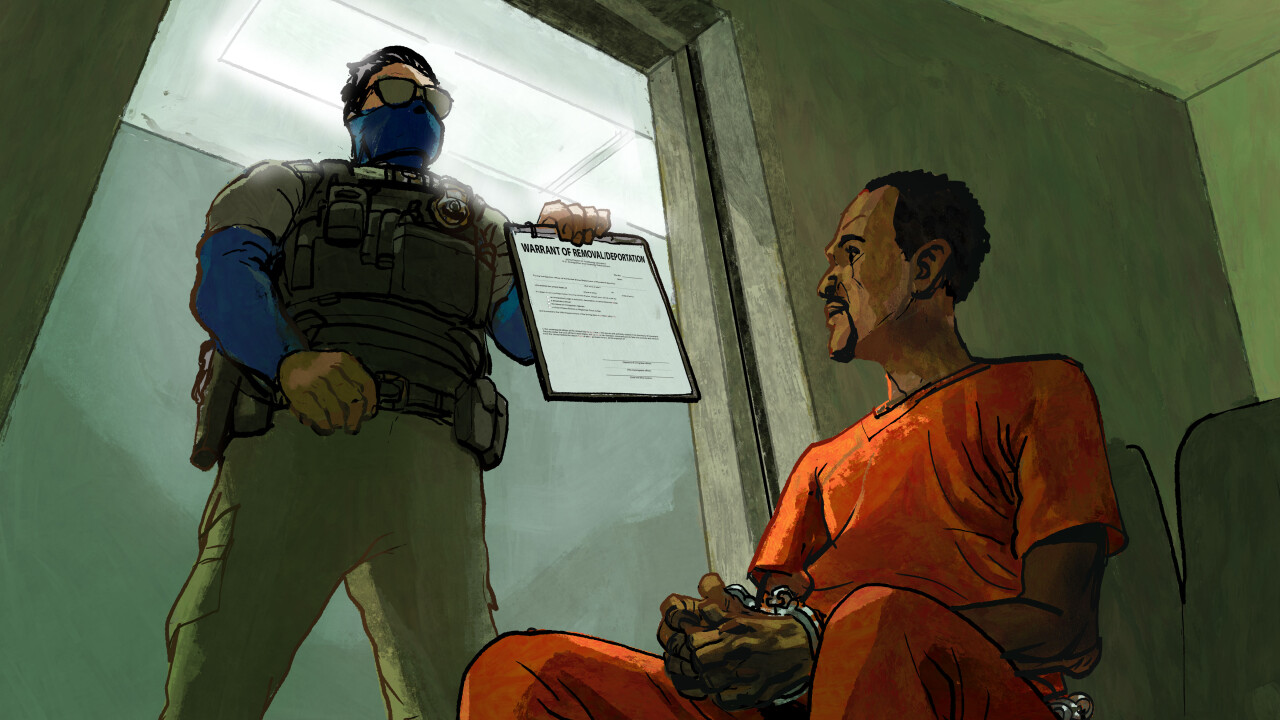
US: Deportations to African Countries Not Their Own
Denied Due Process; Some Returned to Danger in Home Countries

ENG
FRA
Wednesday, 22 July 2026
DR Congo: Oil Company Operations Pose Grave Pollution Threat
Transparency Needed to Address Health Risks to Nearby Communities
ENG
Friday, 12 June 2026
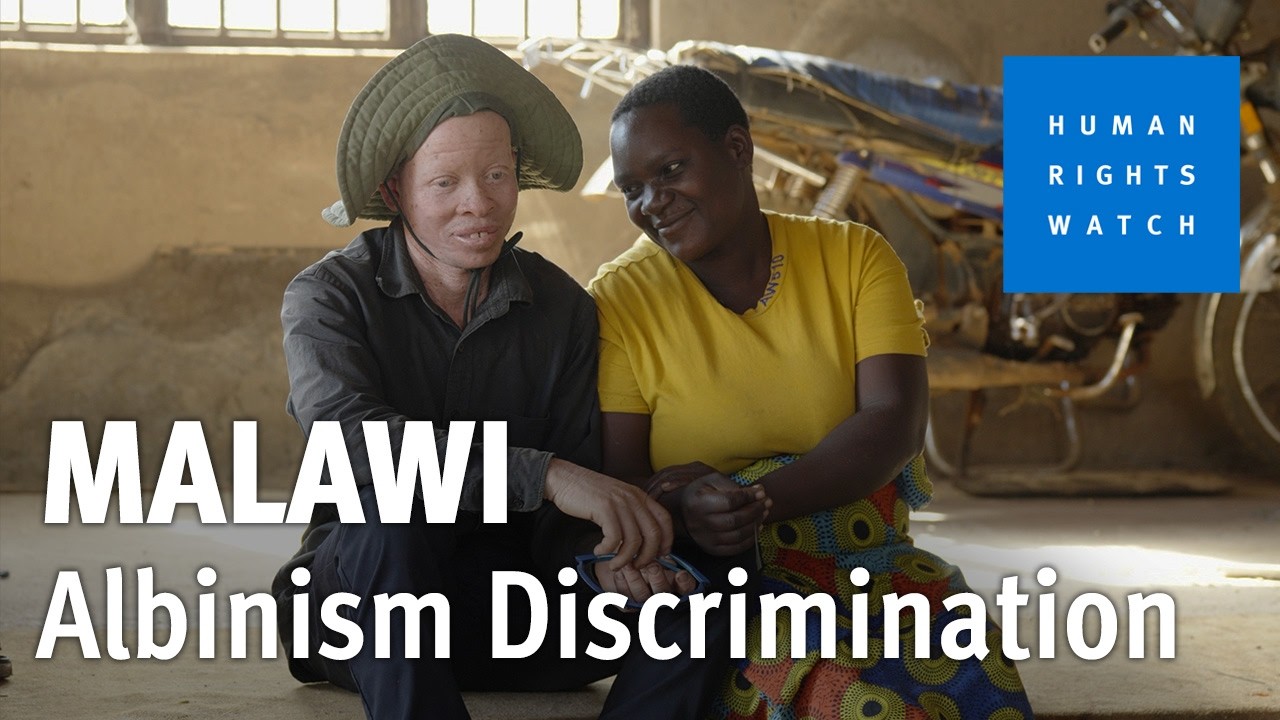
Malawi: People with Albinism Face Discrimination, Barriers to Work
Stigma, Insecurity, Lack of Accommodations Undermine Rights