
(Washington, DC, January 8, 2015) – President Barack Obama’s 2014 executive action on immigration protects millions of families in the US but leaves major rights concerns unaddressed, Human Rights Watch said today. Obama and the Congress should act to end harsh treatment at the border, unnecessary detention, and unfair criminal penalties that tear families apart.
“Last year’s presidential action still leaves millions of people subject to unfair and harsh immigration laws and practices that cry out for reform,” said Antonio Ginatta, US advocacy director at Human Rights Watch. “The arrival of a new Congress in Washington creates opportunities for policymakers to advance immigration reform that respects the rights of all.”
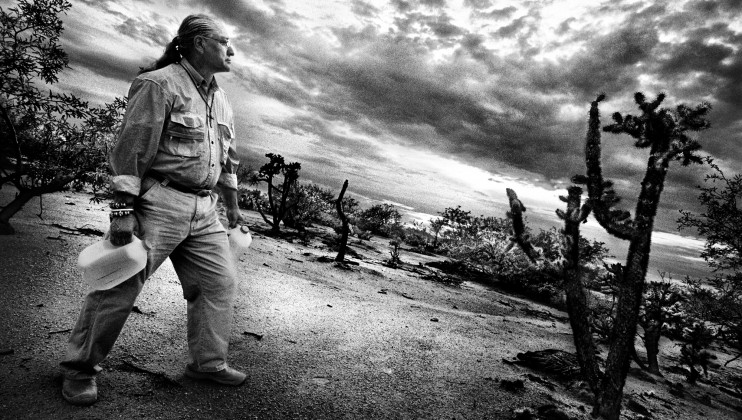
Feature Video 1 - Mike Wilson, a volunteer with the Tucson, Arizona-based Humane Borders, places containers of water in the desert in the hope of preventing more migrant deaths and leads search missions for families looking for loved ones. Wilson is a member of the Tohono O'odham Nation, on whose reservation many of the migrants have died. Members of his tribe and the congregation he used to serve as a pastor, he said, have criticized him for trying to save lives of people who are breaking federal immigration laws. 'As your pastor, I have to choose between two sets of law,' he tells them. 'Which law is above the other? Federal immigration laws or God's moral, universal law that you take care of the stranger?'
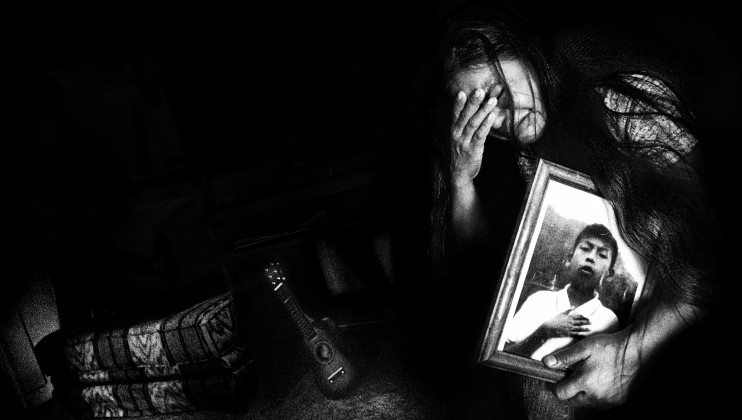
Feature Video 2 - Fermina Lopez Cash, a 47-year-old woman from Guatemala, sits in her home with a photo of her 13-year-old son, Omar, who died in July 2010 in the Arizona desert trying to cross the US-Mexico border to join her and his older siblings in Phoenix. Only 9 years old when she left, Lopez Cash said Omar begged to come to the US as well. A middle-aged woman offered to come with him, and they hired a 'coyote' (smuggler) to take them across the border.Almost three years later, the remains of a teenage boy that had been found in the Arizona desert along with those of an older woman, were confirmed as those of Fermina's son.
Feature Video 3 - Robin Reineke, director of the Colibrí Center for Human Rights, holds the personal effects of unidentified border crossers. Such personal effects are kept at the Pima County Office of the Medical Examiner in Tucson, Arizona, to match families with missing migrants who were last seen alive crossing the border. According to Reineke, from 1990 to 1999, an average of 12 remains of border crossers were brought into the Pima County Medical Examiner's office per year. From 2001 through the present, the average number of remains is 164.'There's been this discourse that security is the automatic obvious need on the border ... more walls, more border patrol, more surveillance, more unmanned aerial drones,' she said. 'That's the type of strategy that we saw change our landscape into one of death, and it's heartbreaking to see the same type of conversation happening now.'
Thursday, 8 January 2015
Available in
US: Act on Immigration Reform in 2015
Feature
Duration
: 2m 48s
Videos (2)

Feature
4m 20s

Feature
2m 30s




Related News
ENG
FRA
POR
Wednesday, 28 October 2026
Brazil: New Evidence of Serious Police Misconduct in Deadly Raid
Investigation Finds Obstruction of Justice, Body Camera Tampering; Suggests Intentional Killings
ENG
FRA
ESP
Thursday, 8 October 2026
US: Deportations to African Countries Not Their Own
Denied Due Process; Some Returned to Danger in Home Countries

ENG
Monday, 21 September 2026
US: Deportations to Haiti Endanger Lives
Deepening Crises, Inadequate Reception Put Returnees at Risk