
(New Delhi, August 25, 2014) – The Indian government should end “manual scavenging” – the cleaning of human waste by communities considered low-caste – by ensuring that local officials enforce the laws prohibiting this discriminatory practice, Human Rights Watch said in a new report released today. The government should implement existing legislation aimed to assist manual scavenging community members find alternative, sustainable livelihoods.
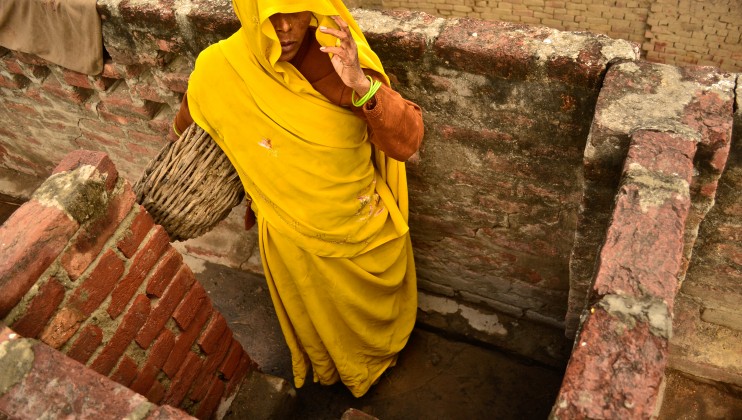
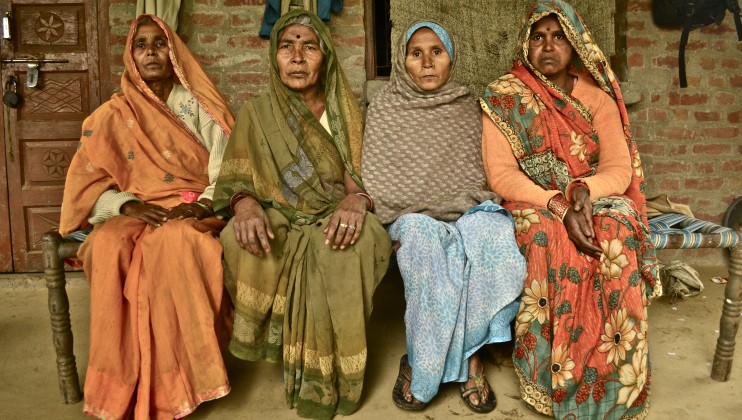
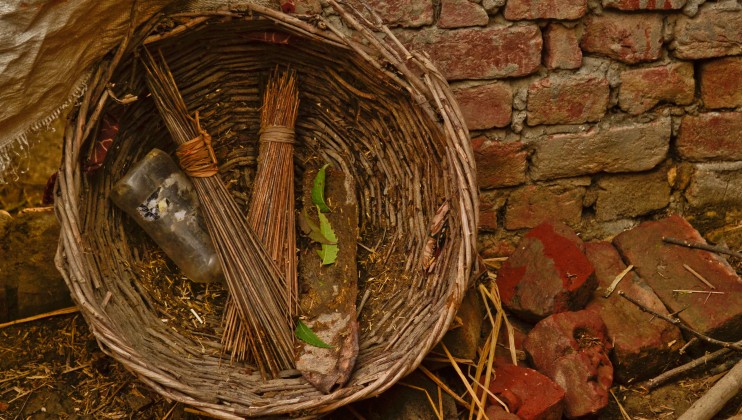
The 96-page report, “Cleaning Human Waste: ‘Manual Scavenging,’ Caste, and Discrimination in India,” documents the coercive nature of manual scavenging. Across India, castes that work as “manual scavengers” collect human excrement on a daily basis, and carry it away in cane baskets for disposal. Women from this caste usually clean dry toilets in homes, while men do the more physically demanding cleaning of sewers and septic tanks. The report describes the barriers people face in leaving manual scavenging, including threats of violence and eviction from local residents but also threats, harassment, and unlawful withholding of wages by local officials.
India: Caste Forced to Clean Human Waste in India



Related News

ENG
Monday, 12 October 2026
Philippines: Flood Control Project Disregards Rights
Pampanga Residents Face Flooding, Lack of Livelihoods at Relocation Site
ENG
KO
Tuesday, 8 September 2026
South Korea: Systemic Gender, Age Discrimination at Work
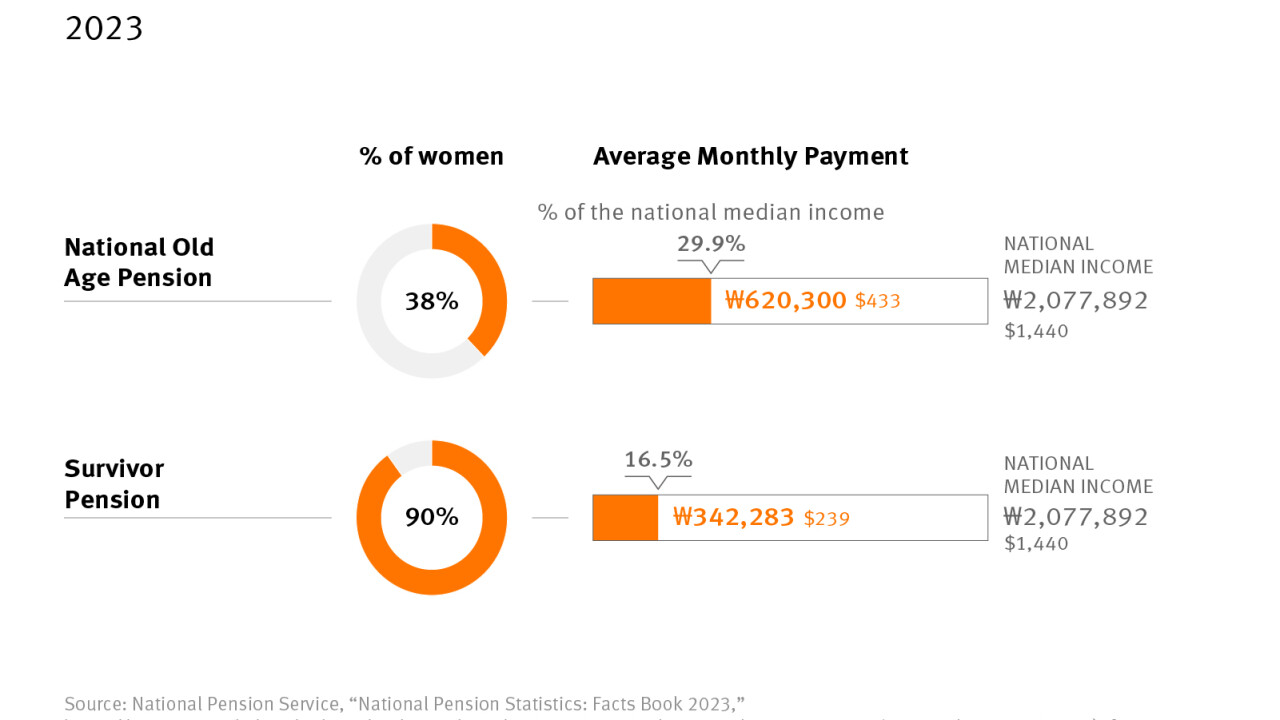
Widen Opportunities, Close Pay and Pension Gaps for Women

ENG
Monday, 18 May 2026
Myanmar: No Redress for Rohingya Muslims in Arakan Army Massacre
At Least 170 Killed at Hoyyar Siri in 2024 Amid Military Indifference; Survivors Denied Return