
(Geneva) – The United Nations Minamata Convention on Mercury, which went into effect on August 16, 2017, could benefit millions of people affected by toxic mercury, Human Rights Watch said today. Under the treaty, governments are obligated to protect their citizens from the harmful effects of mercury and to put in place controls in polluting industries, such as artisanal and small-scale gold mining and coal-fired power plants. Mercury, a shiny liquid metal, attacks the central nervous system, can result in lifelong disability, and is very harmful to children. It can be lethal in higher doses.
Human Rights Watch has done extensive research and multimedia work on the use of mercury and child labor in small-scale gold mining.
For access to stills and footage on this subject, please see:
Philippines: Children Risk Death to Dig and Dive For Gold
Ghana: Child Labor Fuels Gold Supply Chain
Tanzania: Hazardous Life of Child Gold Miners
Ghana: Mine Accident Highlights Risk to Children
Wednesday, 16 August 2017
Available in
Groundbreaking Mercury Treaty Takes Effect
Social
Duration
: 1m
Related News
ENG
Wednesday, 20 May 2026
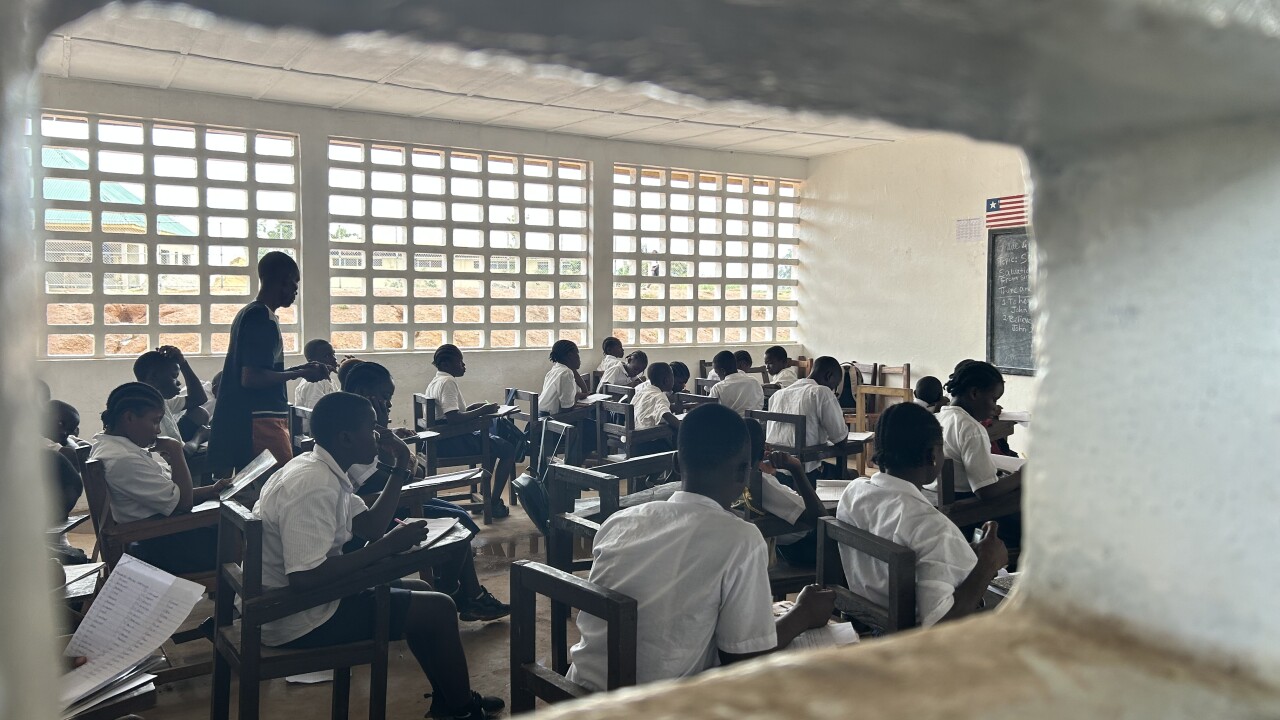
Liberia: School Fees Block Children’s Access to Education
Eliminate Registration Fees; Expand School Grants; Improve Education Quality
ENG
Wednesday, 6 August 2025
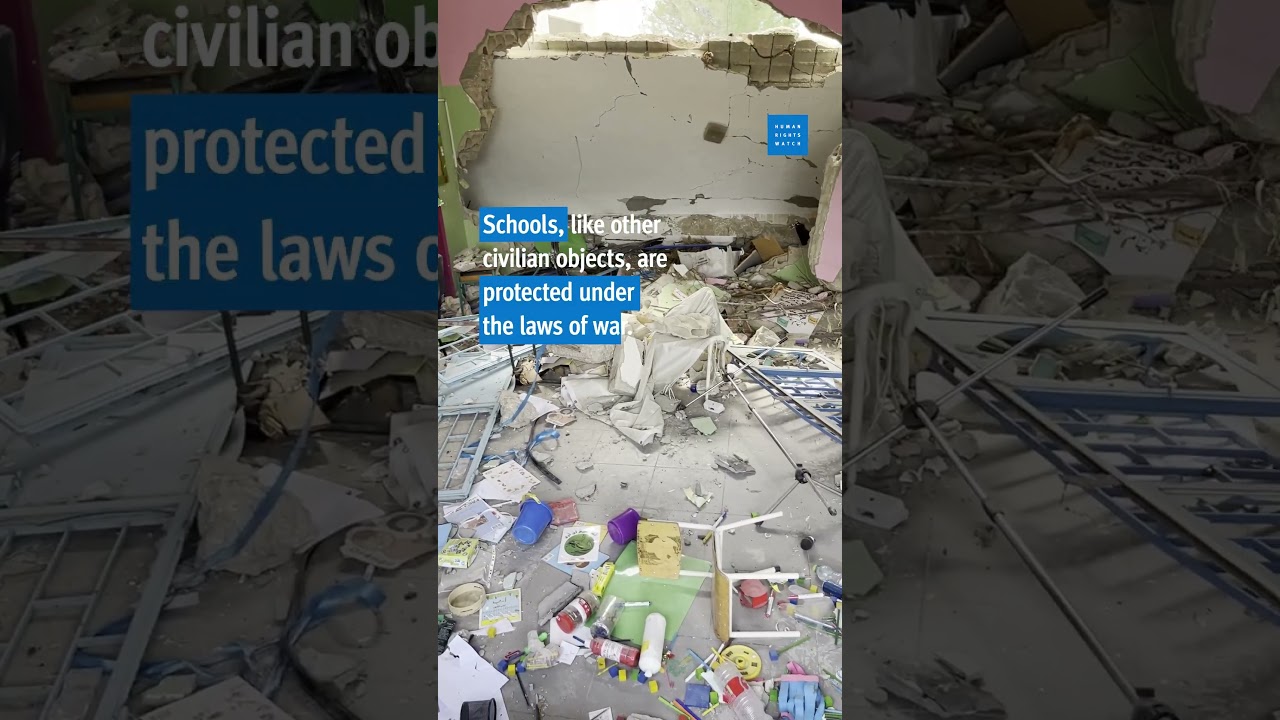
Lebanon: Israeli Forces Occupied, Vandalized Schools
Apparent War Crimes Jeopardize Right to Education
ENG
Thursday, 27 March 2025
Australia: Disproportionate Removal of Aboriginal Children
State of Western Australia Fails to Provide Adequate Support for Families