
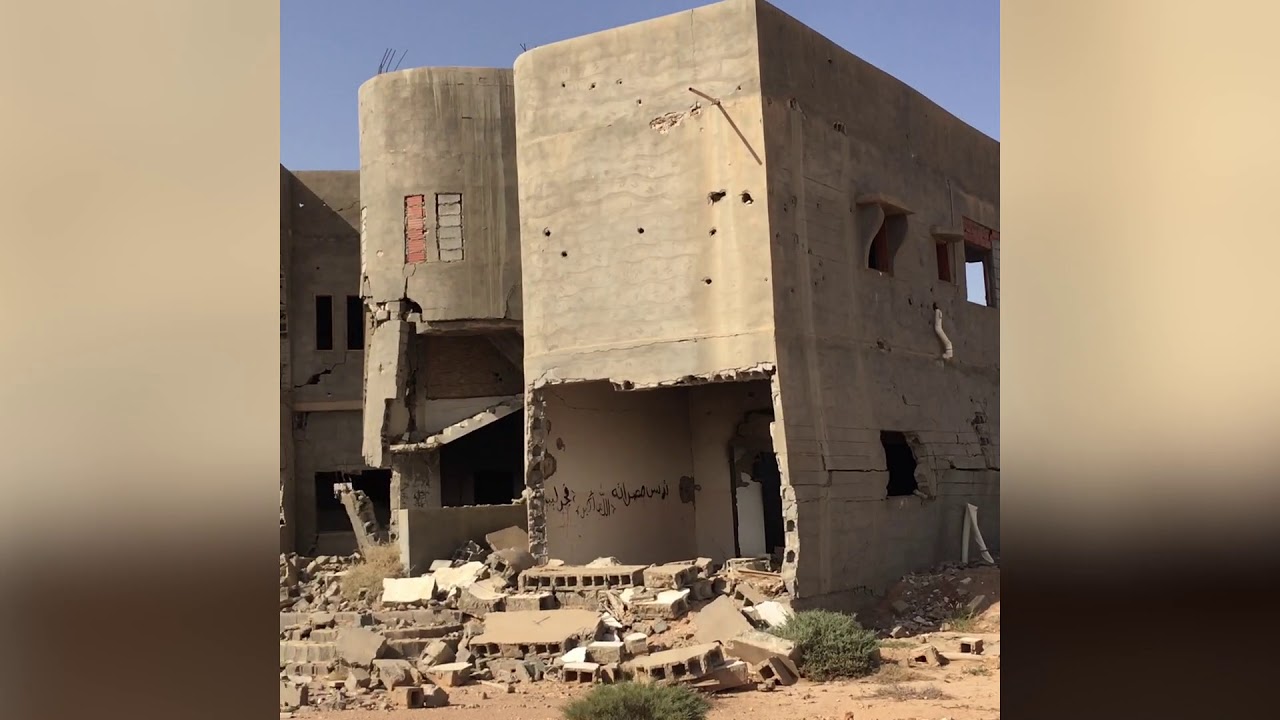
(Beirut, January 24, 2019) – Most of the 48,000 former residents of the Libyan town of Tawergha, forcibly displaced for seven years, have not been able to return home, Human Rights Watch said today after visiting the town.
Despite reconciliation agreements that should have paved the way for Tawerghans’ return, the massive and deliberate destruction of the town and its infrastructure, and a pervasive feeling of insecurity, have kept all but a few families from returning. New satellite imagery analysis shows that between 2013 and 2017, when militias from the nearby city of Misrata effectively controlled Tawergha, over 20 kilometers of the city’s underground electric cable network was most likely removed and apparently stolen.
Libya: Displaced Population Can’t Go Home
Feature
Duration
: 2m 3s
Related News
ENG
Sunday, 27 September 2026
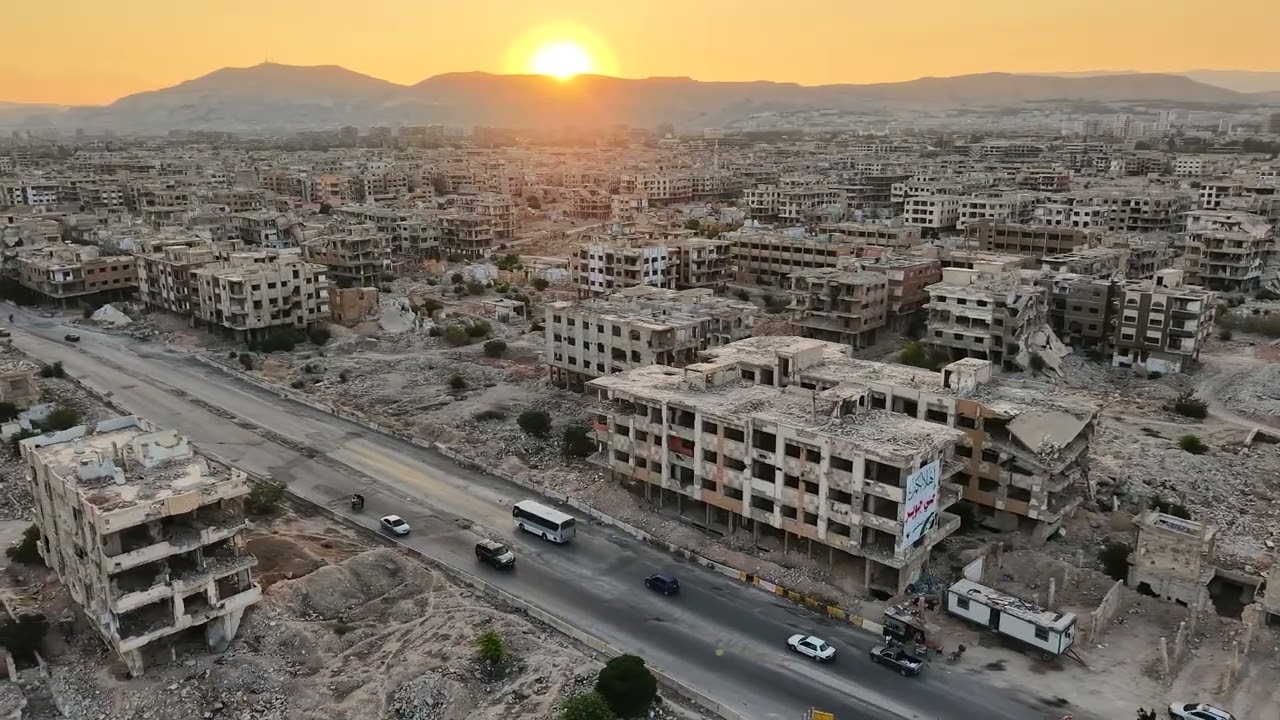
Syria: Reconstruction Deals Lack Critical Rights Framework
ENG
العربية
ESP
Monday, 25 May 2026
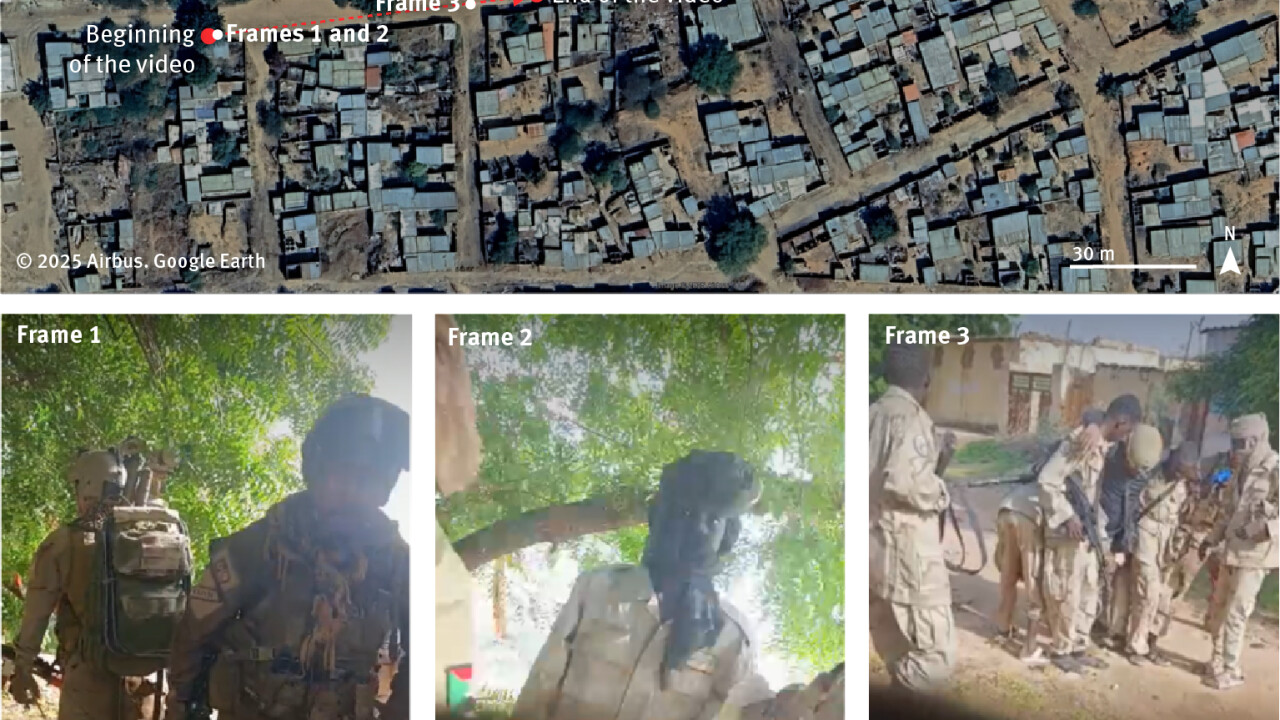
Sudan: Colombians Linked to Atrocities Trained in UAE Bases
Abu Dhabi Should End All Military Support to Abusive RSF
ENG
Saturday, 7 March 2026
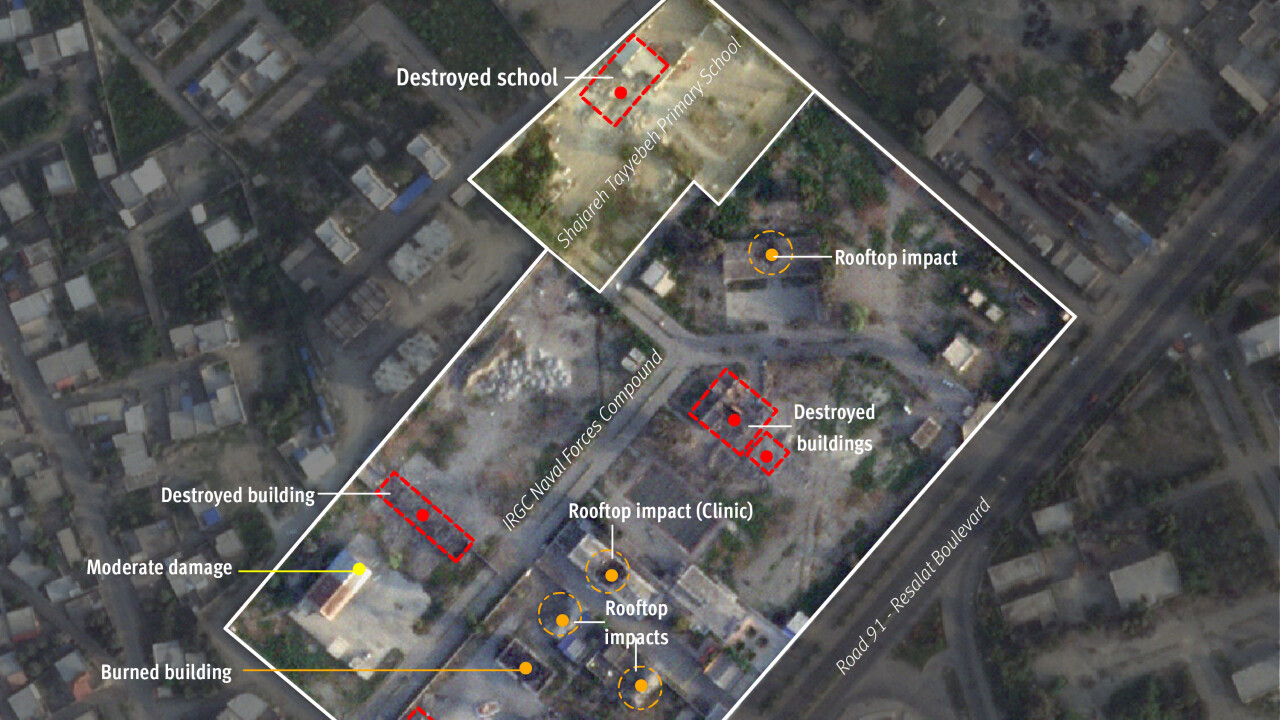
US/Israel: Investigate Iran School Attack as a War Crime
Scores of Civilians, Including Children Reportedly Killed; Full Investigation Needed