
Embargoed for Release
Not for Publication Until:
12.01 am in Washington, DC, Thursday, July 22, 2021
04.01 GMT, July 22, 2021
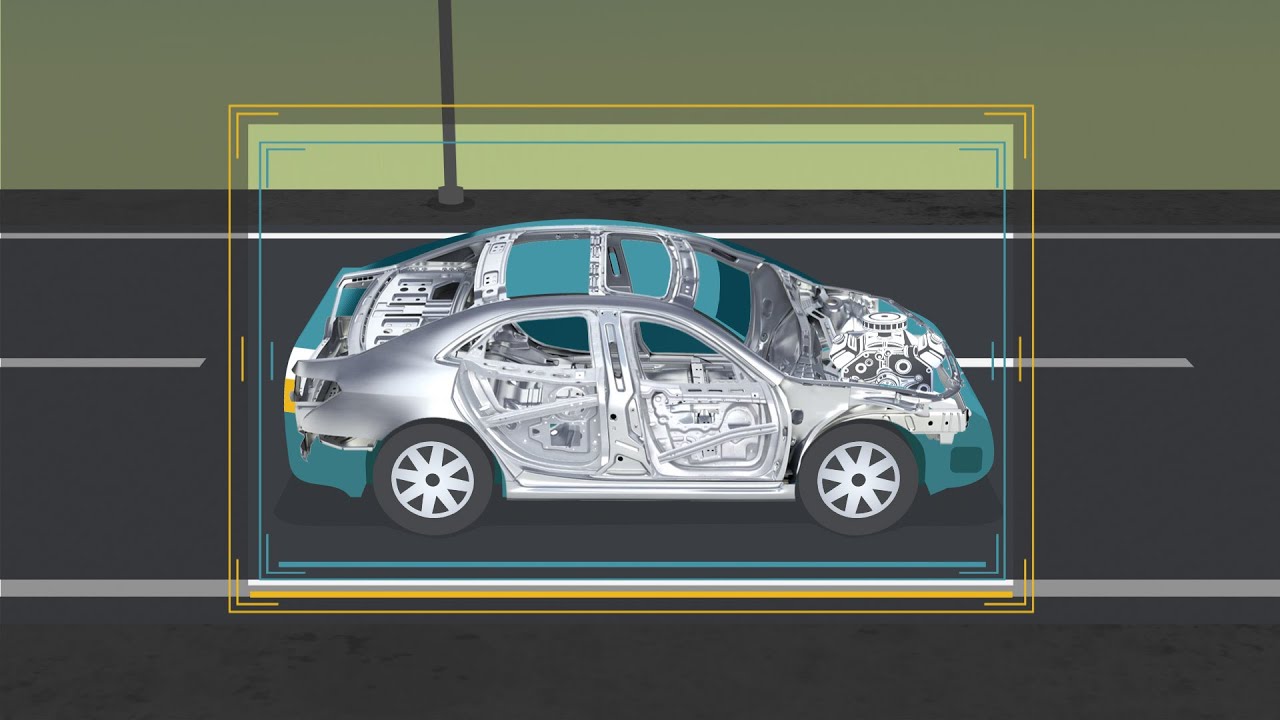
(Washington, DC, July 22, 2021) – Automobile companies need to do more to address abuses in their aluminum supply chains and the bauxite mines they source from, Human Rights Watch and Inclusive Development International said in a report released today. Car manufacturers used nearly a fifth of all aluminum consumed worldwide in 2019 and they are forecast to double their aluminum consumption by 2050 as they transition to electric vehicles.
The 63-page report, “Aluminum: The Car Industry’s Blind Spot – Why Car Companies Should Address the Human Rights Impact of Aluminum Production,” describes the global supply chains that connect car manufacturers to mines, refineries, and smelters from countries including Guinea, Ghana, Brazil, China, Malaysia, and Australia. Based on meetings and correspondence with nine major car companies – BMW, Daimler, Ford, General Motors, Groupe PSA (now part of Stellantis), Renault, Toyota, Volkswagen, and Volvo – Human Rights Watch and Inclusive Development International assessed how the auto industry addresses the human rights impacts of aluminum production, from the destruction of farmland and damage to water sources caused by mines and refineries to the significant carbon emissions from aluminum smelting. Three other companies – BYD, Hyundai, and Tesla – did not respond to requests for information.
Abuses in Aluminum Supply Chains a Blind Spot for Car Industry
Feature
Duration
: 2m 6s
Videos (1)
Social
1m
Related News

ENG
Monday, 12 October 2026
Philippines: Flood Control Project Disregards Rights
Pampanga Residents Face Flooding, Lack of Livelihoods at Relocation Site

ENG
FRA
ESP
Thursday, 8 October 2026
US: Deportations to African Countries Not Their Own
Denied Due Process; Some Returned to Danger in Home Countries

ENG
Wednesday, 30 September 2026
Solwata: An Immersive Documentary