
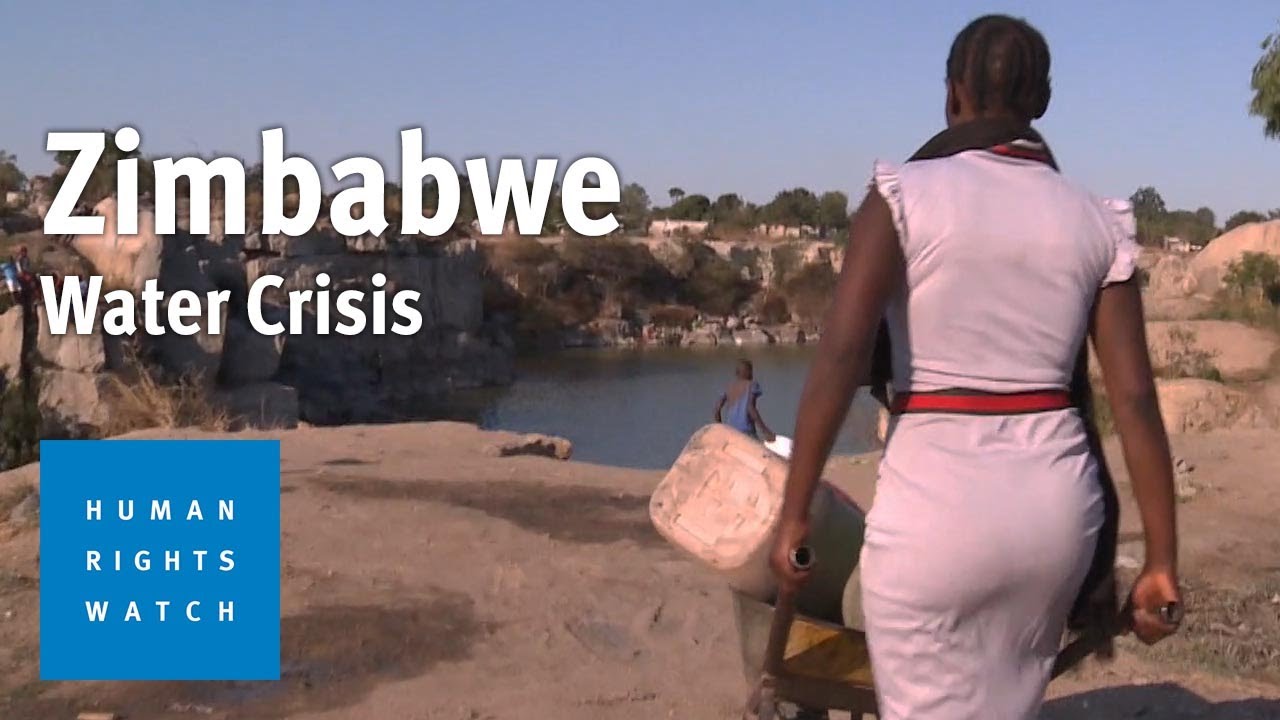
(Johannesburg, September 22, 2021) – Residents of Zimbabwe’s capital, Harare, face a potable water crisis three years after a deadly cholera outbreak, Human Rights Watch said today. Zimbabwe’s central government and the Harare City Council should urgently act to ensure clean water for millions of people affected.
The water situation in Harare is largely the same as in 2008, when Zimbabwe experienced the most devastating cholera outbreak in Africa in 15 years. The outbreak killed 4,200 people and infected at least 100,000. Human Rights Watch found that the city’s perennial water crisis, which is linked to the cholera outbreak, is the result of the city’s obsolete water infrastructure, a ballooning population, severe droughts, and pervasive government corruption and mismanagement. Poor governance and disputes between the central government and the Harare City Council have hindered efforts to address the problems.
Wednesday, 22 September 2021
Available in
Zimbabwe: Dire Lack of Clean Water in Capital
Videos (1)
Clip Reel
44s
Related News
ENG
FRA
ESP
Thursday, 8 October 2026
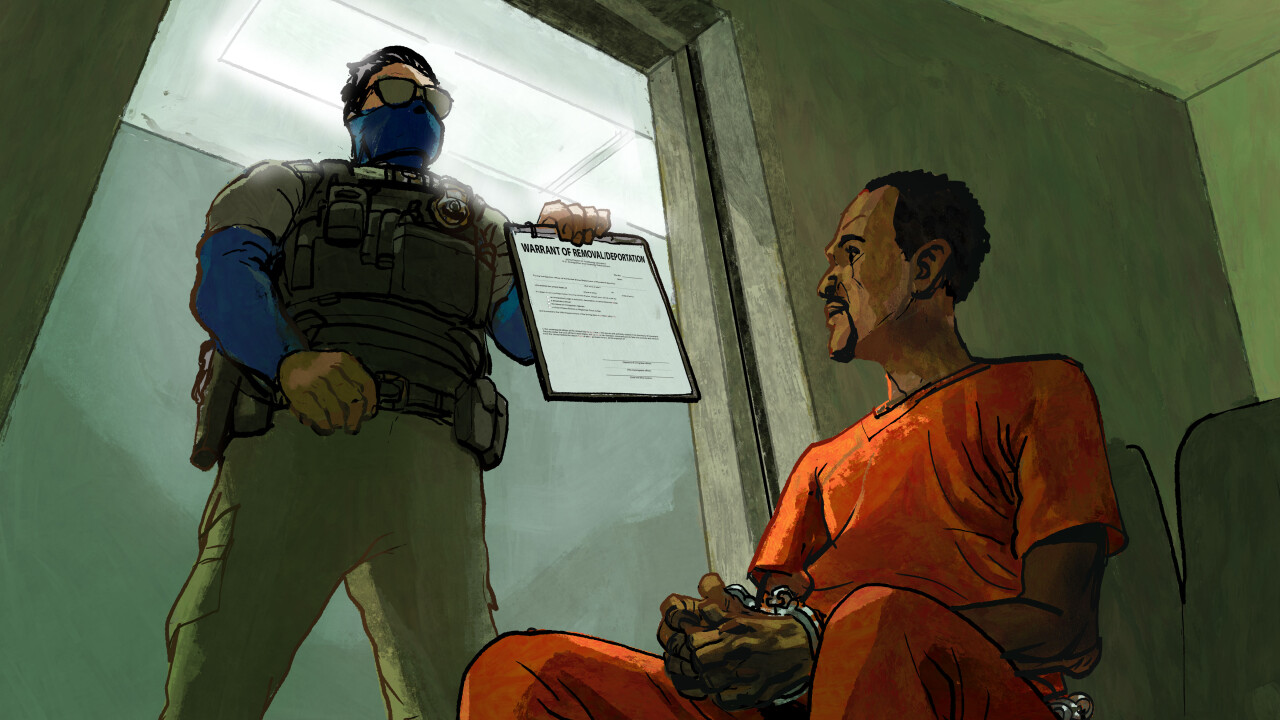
US: Deportations to African Countries Not Their Own
Denied Due Process; Some Returned to Danger in Home Countries
ENG
FRA
Wednesday, 22 July 2026
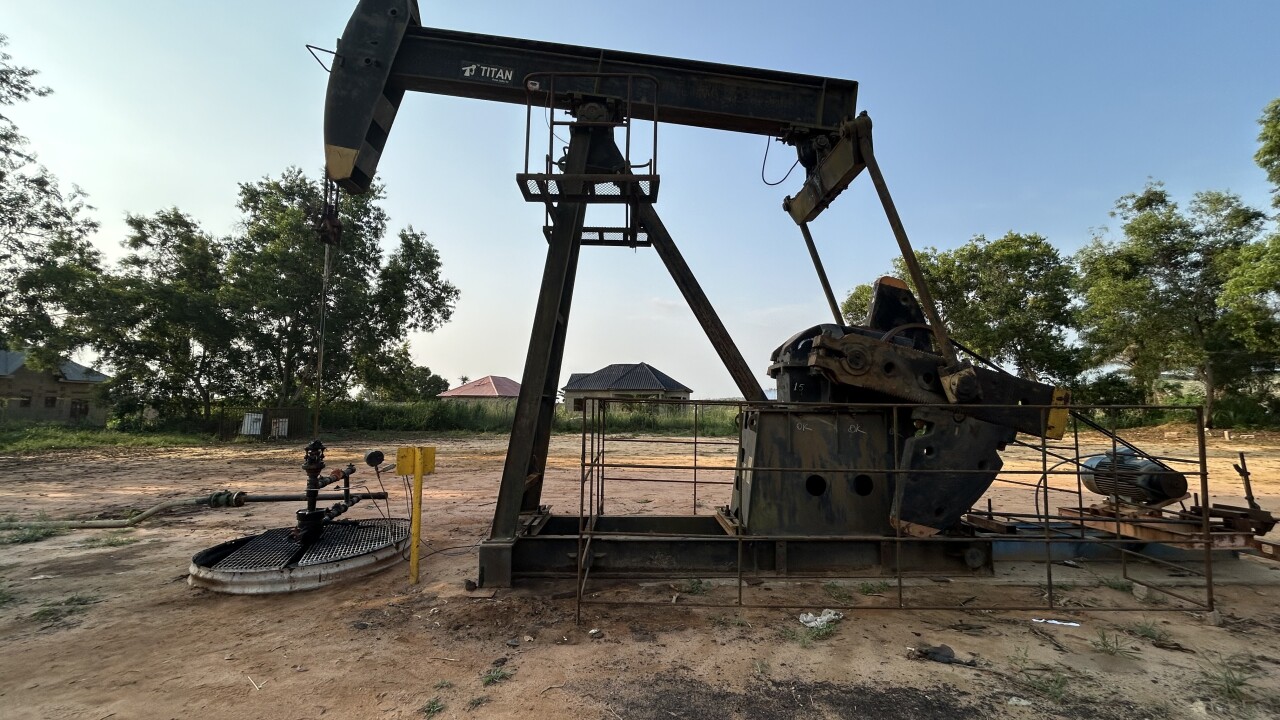
DR Congo: Oil Company Operations Pose Grave Pollution Threat
Transparency Needed to Address Health Risks to Nearby Communities
ENG
Friday, 12 June 2026
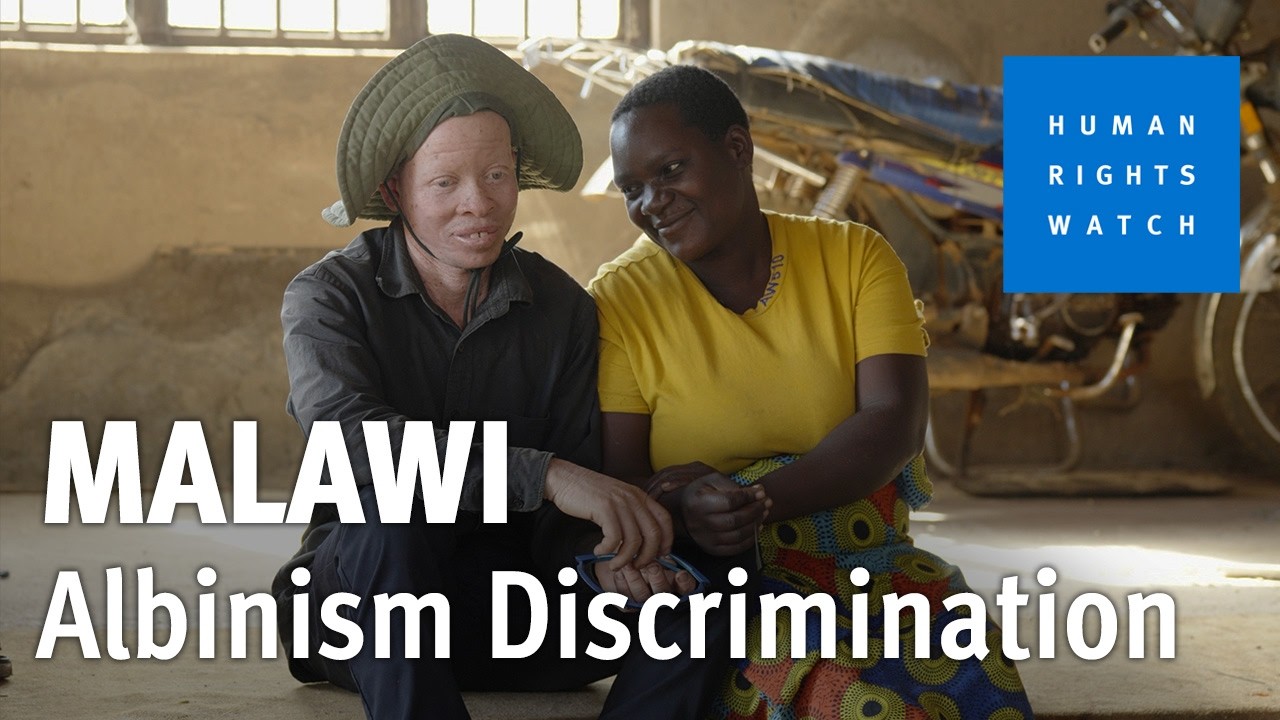
Malawi: People with Albinism Face Discrimination, Barriers to Work
Stigma, Insecurity, Lack of Accommodations Undermine Rights