
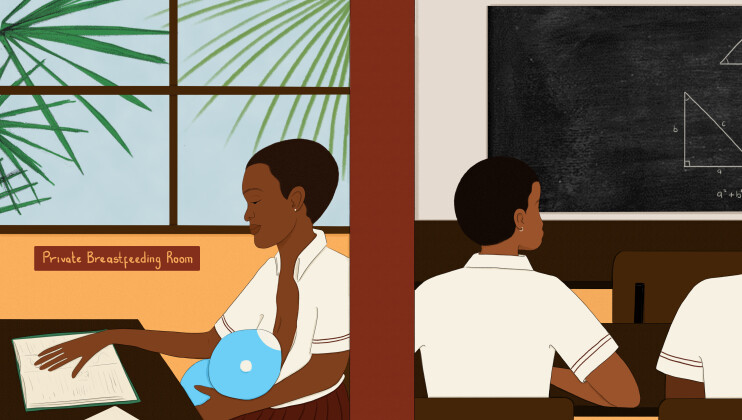
(Nairobi, August 30, 2022) – Adolescent girls in nearly one-third of African countries who are pregnant face significant legal and policy barriers to continuing their formal education, Human Rights Watch said today. Most African governments, however, now protect education access through laws, policies, or measures for pregnant students or adolescent mothers.A new Human Rights Watch interactive index and comprehensive compilation of laws and policies related to teenage pregnancy in schools across the African Union (AU) detail the laws and policies in place, as well as the shortcomings, to protect girls’ access to education. Human rights compliant frameworks are necessary first steps to protecting girls’ access to education, Human Rights Watch said. Governments should invest in implementation, monitoring, and enforcement of policies at the school level. Without such measures, tens of thousands of students across Africa will continue to be excluded.
Monday, 29 August 2022
Available in
Across Africa, Many Young Mothers Face Education Barriers
Related News
ENG
FRA
ESP
Thursday, 8 October 2026
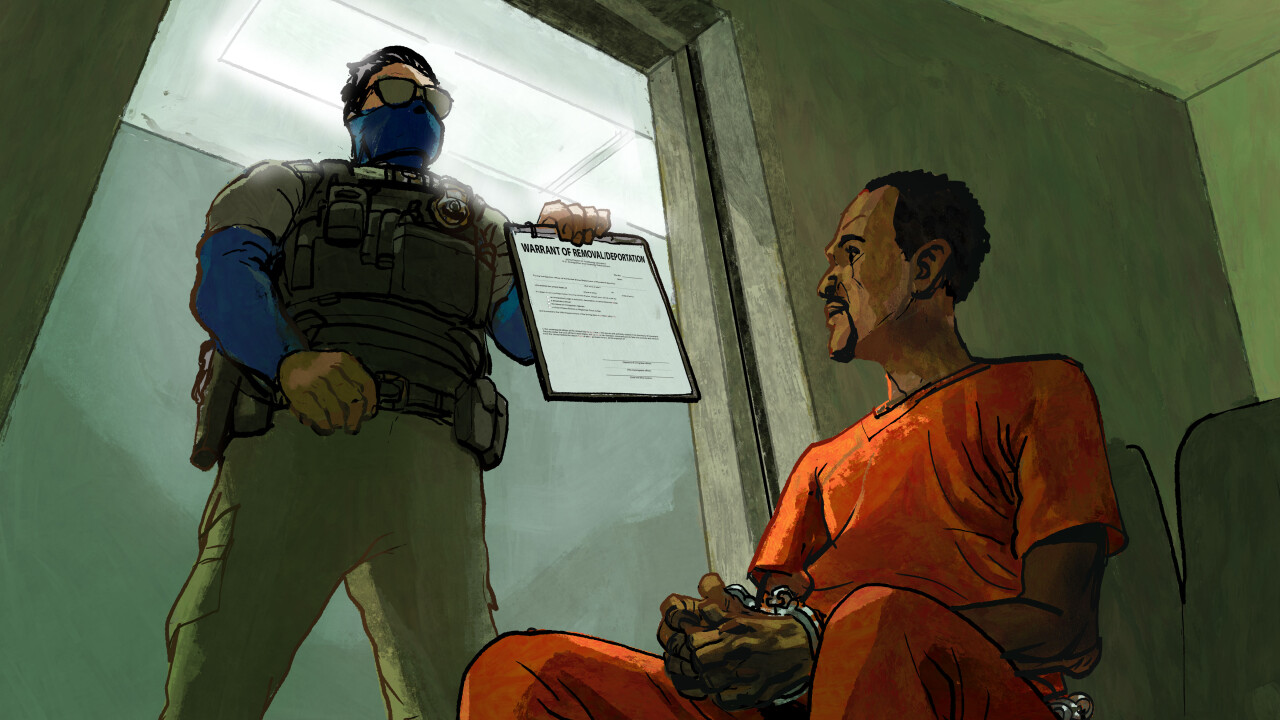
US: Deportations to African Countries Not Their Own
Denied Due Process; Some Returned to Danger in Home Countries
ENG
FRA
Wednesday, 22 July 2026
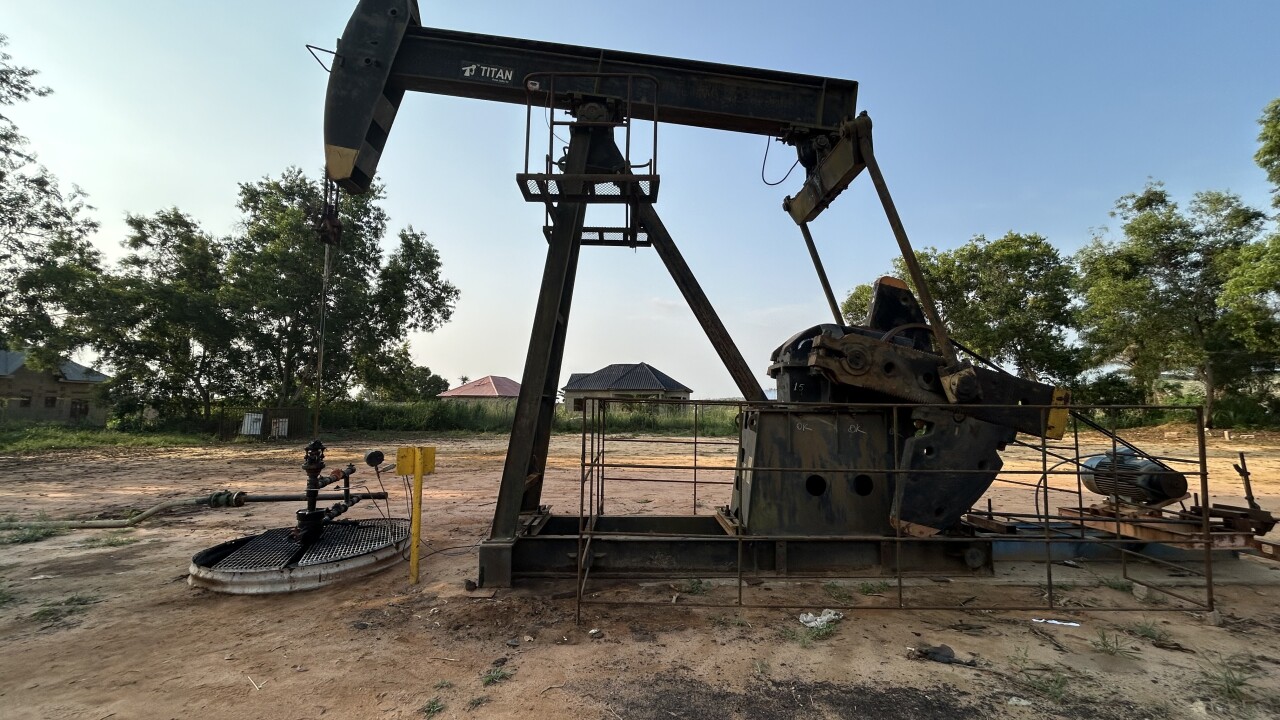
DR Congo: Oil Company Operations Pose Grave Pollution Threat
Transparency Needed to Address Health Risks to Nearby Communities
ENG
Friday, 12 June 2026
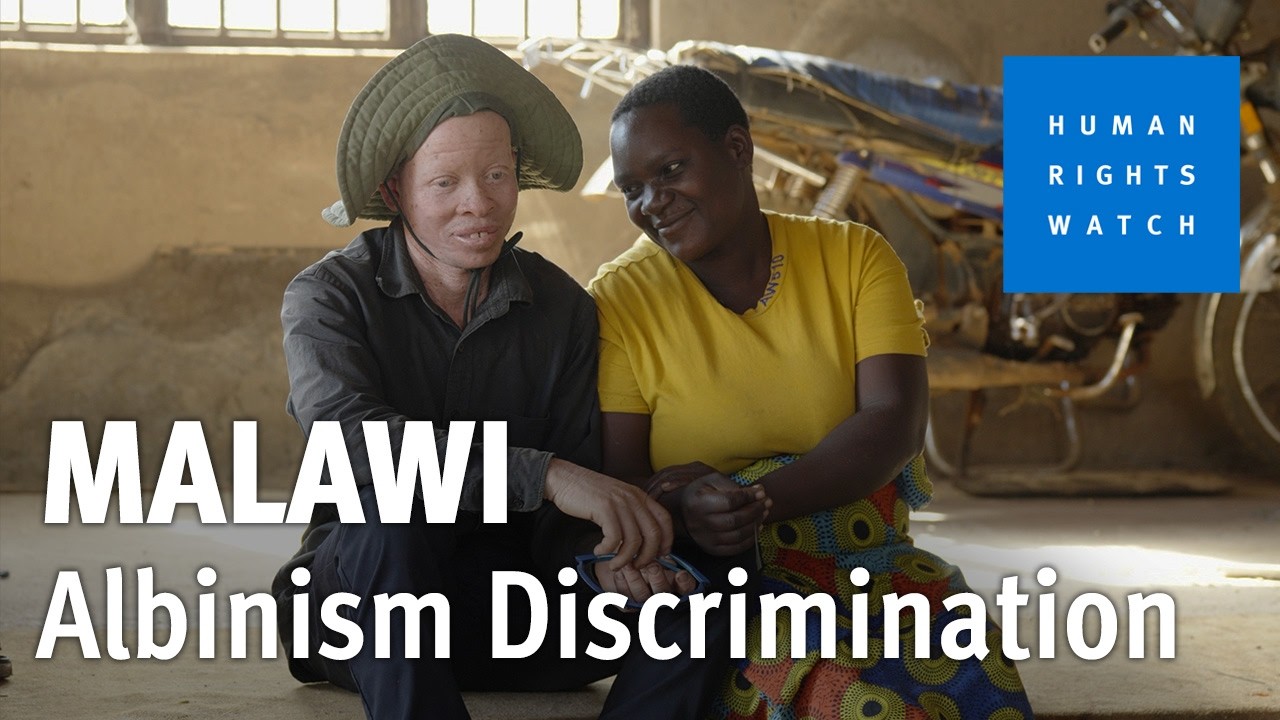
Malawi: People with Albinism Face Discrimination, Barriers to Work
Stigma, Insecurity, Lack of Accommodations Undermine Rights