
Over a billion people live in the 38 countries with where IMF programs have been approved since the start of the Covid-19 pandemic. Human Rights Watch research has found that more than half of these programs reduce or remove government-funded fuel or electricity subsidies, which keep prices artificially low to protect consumers, without adequate compensatory measures that help people stay financially afloat.
True, phasing out fossil fuels is crucial for avoiding the worst impacts of climate change and transitioning to renewable energy sources. But it is critical that removing such subsidies be undertaken together with measures designed to protect people with lower incomes, such as adequate investment in social protection programs and renewable energy.
Friday, 13 October 2023
Available in
How IMF Loans Make Some Kenyans Poorer
Duration
: 36s
Related News
ENG
FRA
ESP
Thursday, 8 October 2026
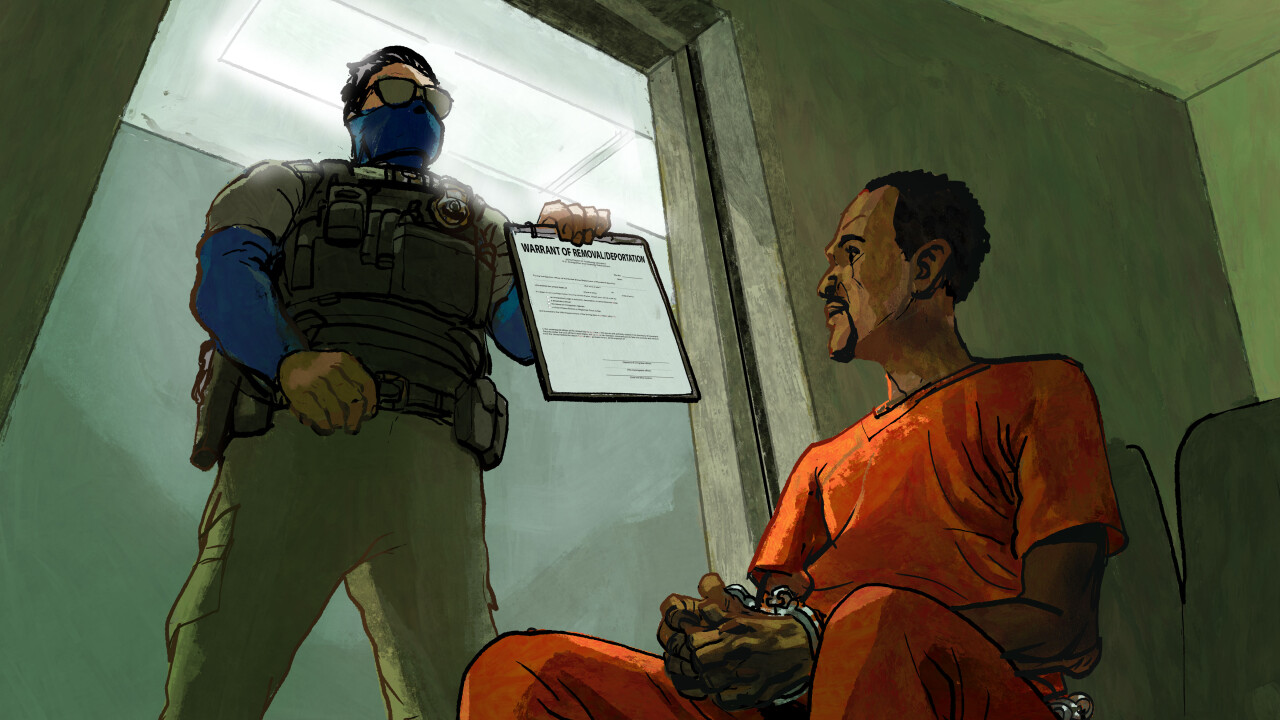
US: Deportations to African Countries Not Their Own
Denied Due Process; Some Returned to Danger in Home Countries
ENG
FRA
Wednesday, 22 July 2026
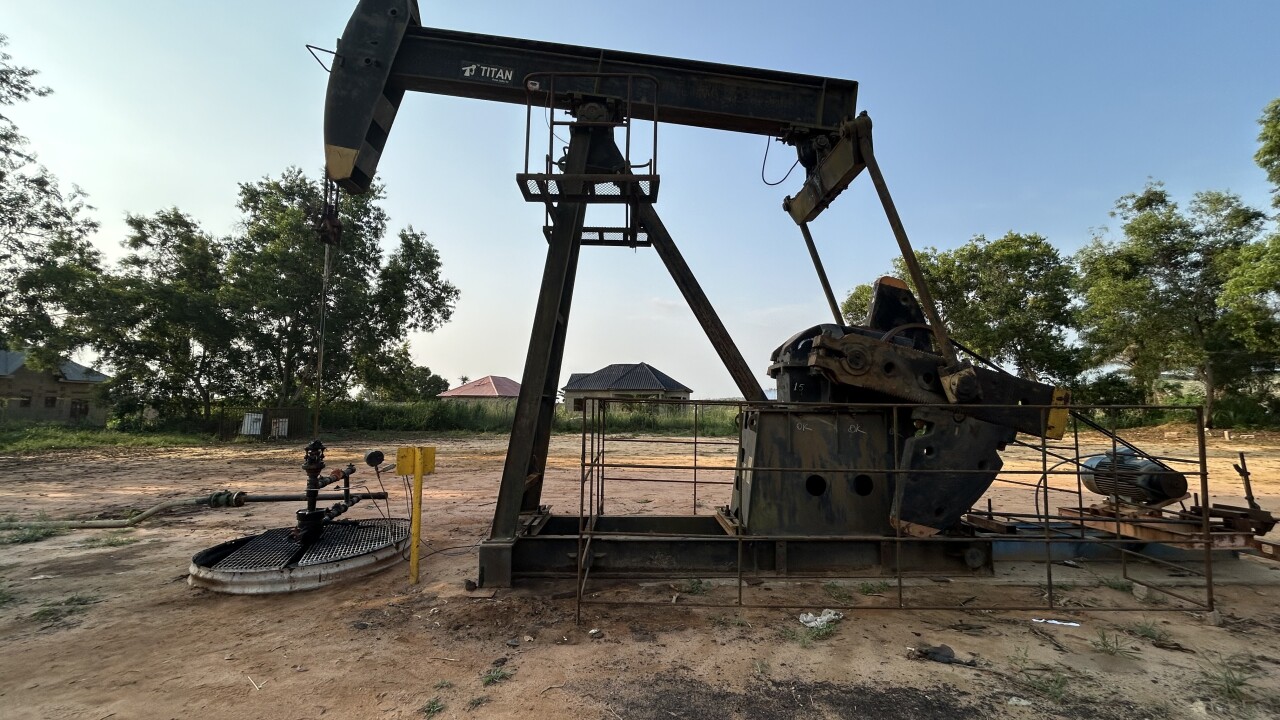
DR Congo: Oil Company Operations Pose Grave Pollution Threat
Transparency Needed to Address Health Risks to Nearby Communities
ENG
Friday, 12 June 2026
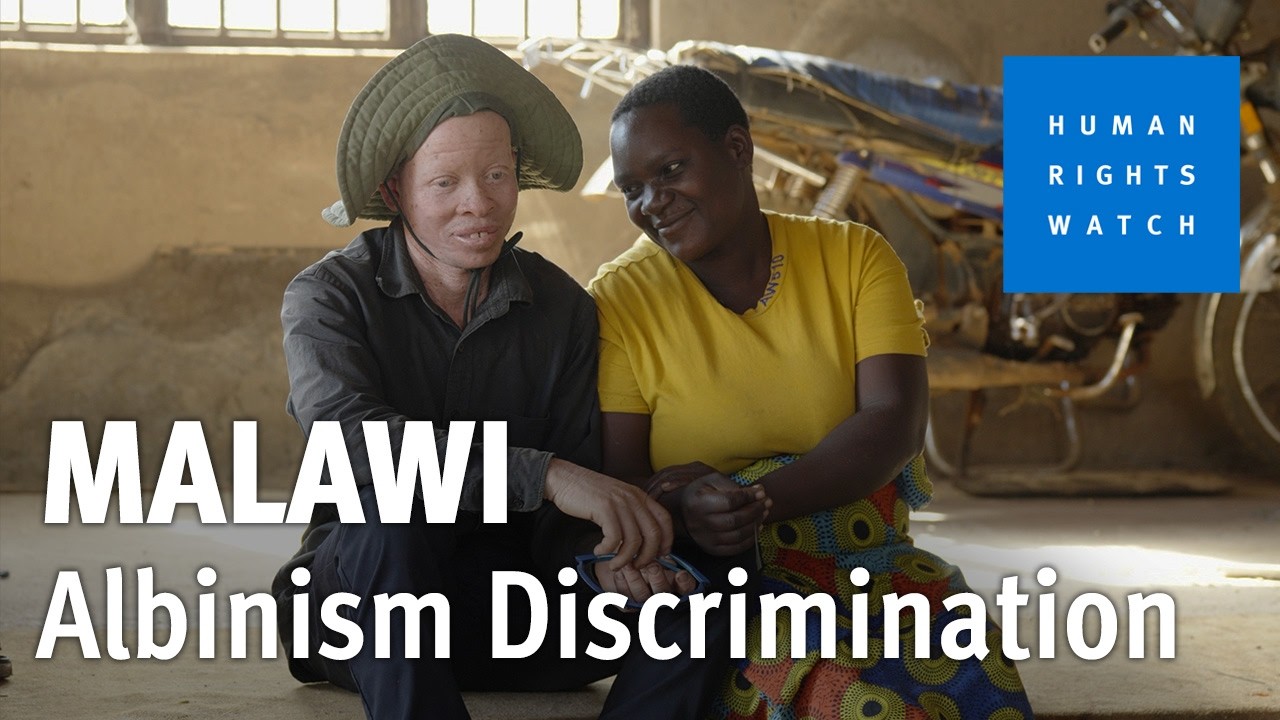
Malawi: People with Albinism Face Discrimination, Barriers to Work
Stigma, Insecurity, Lack of Accommodations Undermine Rights