
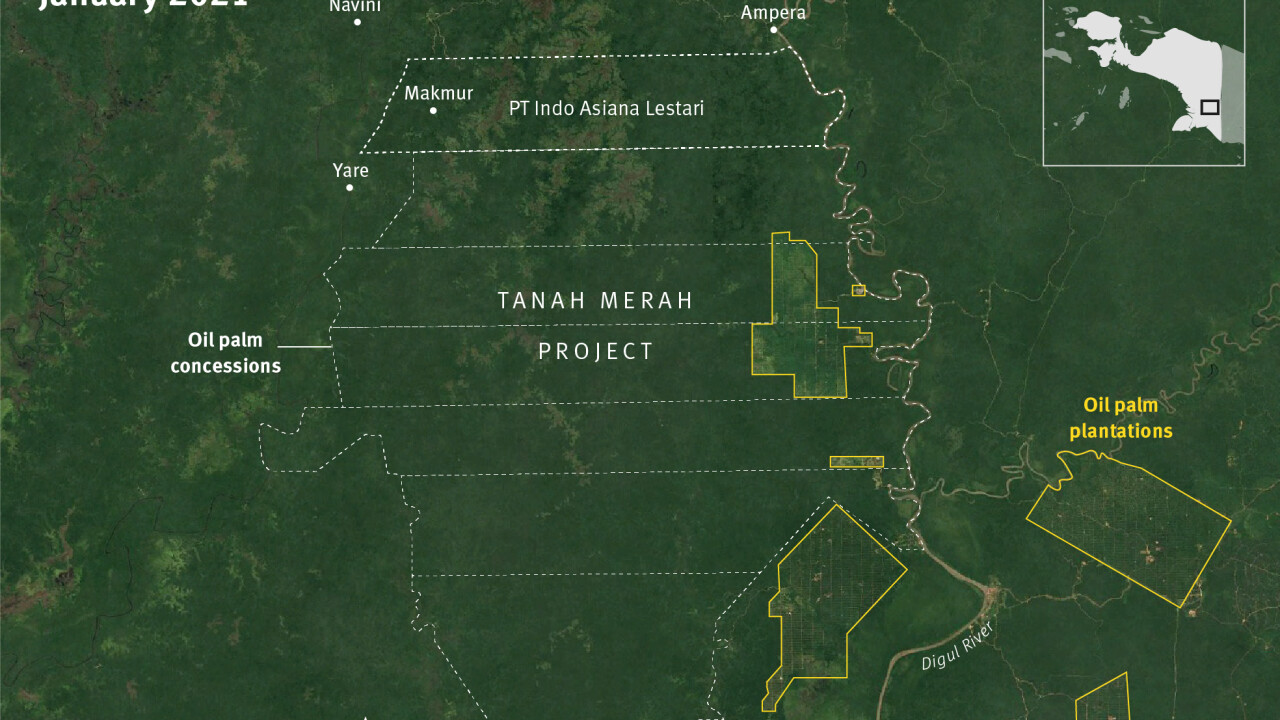
Indonesia is the top producer of palm oil in the world, and Indonesian Papua – the western half of the island of New Guinea (the second largest island in the world) – is its final frontier for agriculture-driven deforestation. Rather than preserve the old, undisturbed trees, the Indonesian government authorized companies to clear millions of hectares of primary forests, primarily for oil palm, rice, and sugar cane plantations. In 2010, the regent, a county-level administrator or bupati, of Boven Digoel Regency, launched the Tanah Merah Project, a mega oil palm plantation project that spans more than 270,352 hectares, about the size of Luxembourg, most of it primary forest.
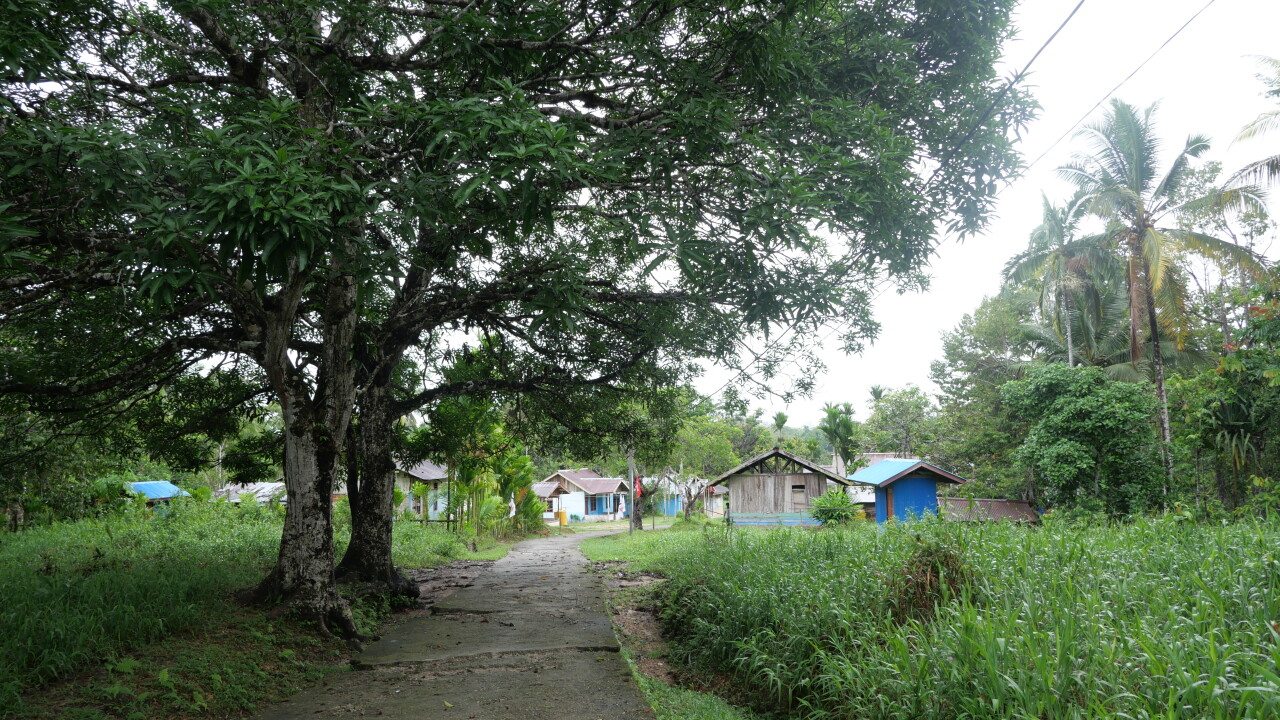
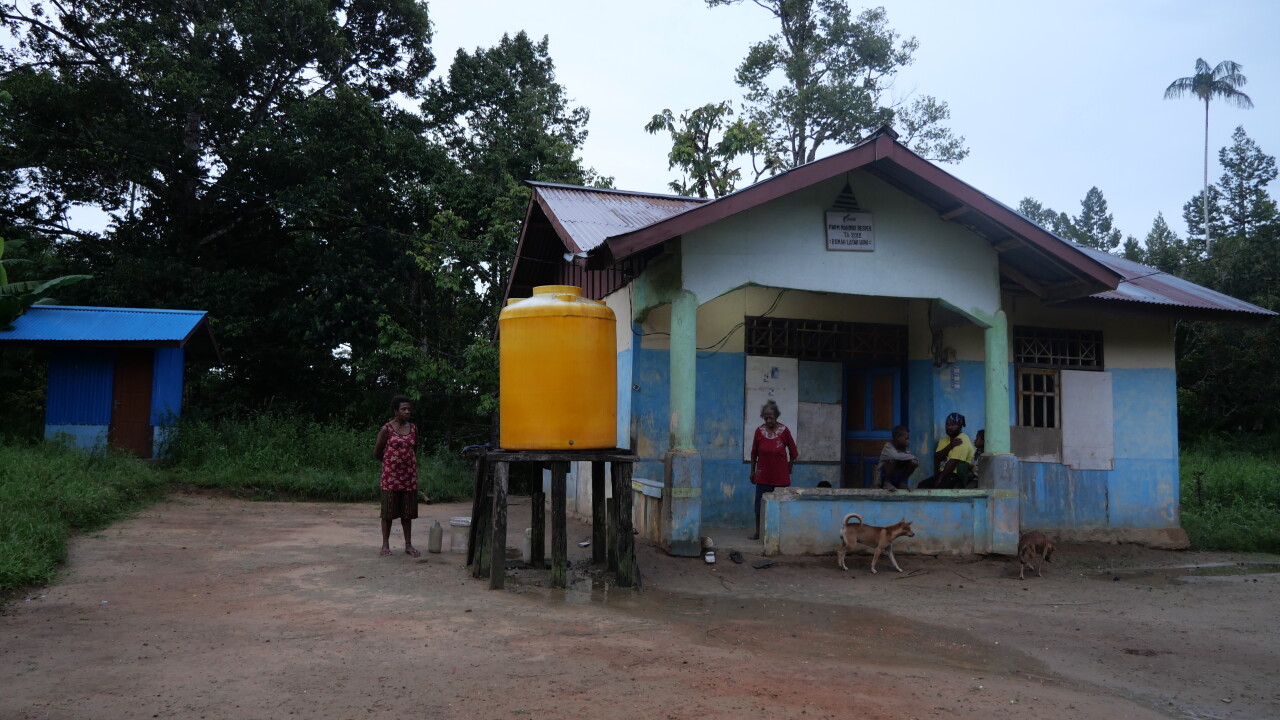
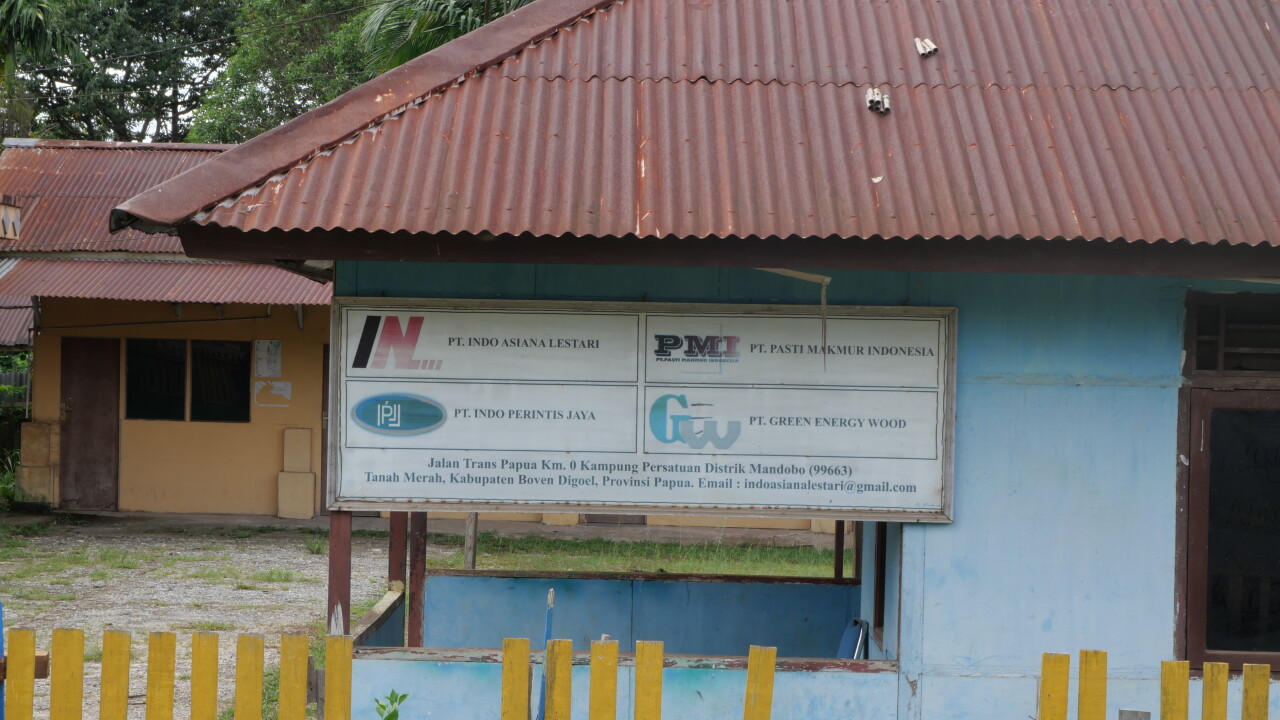
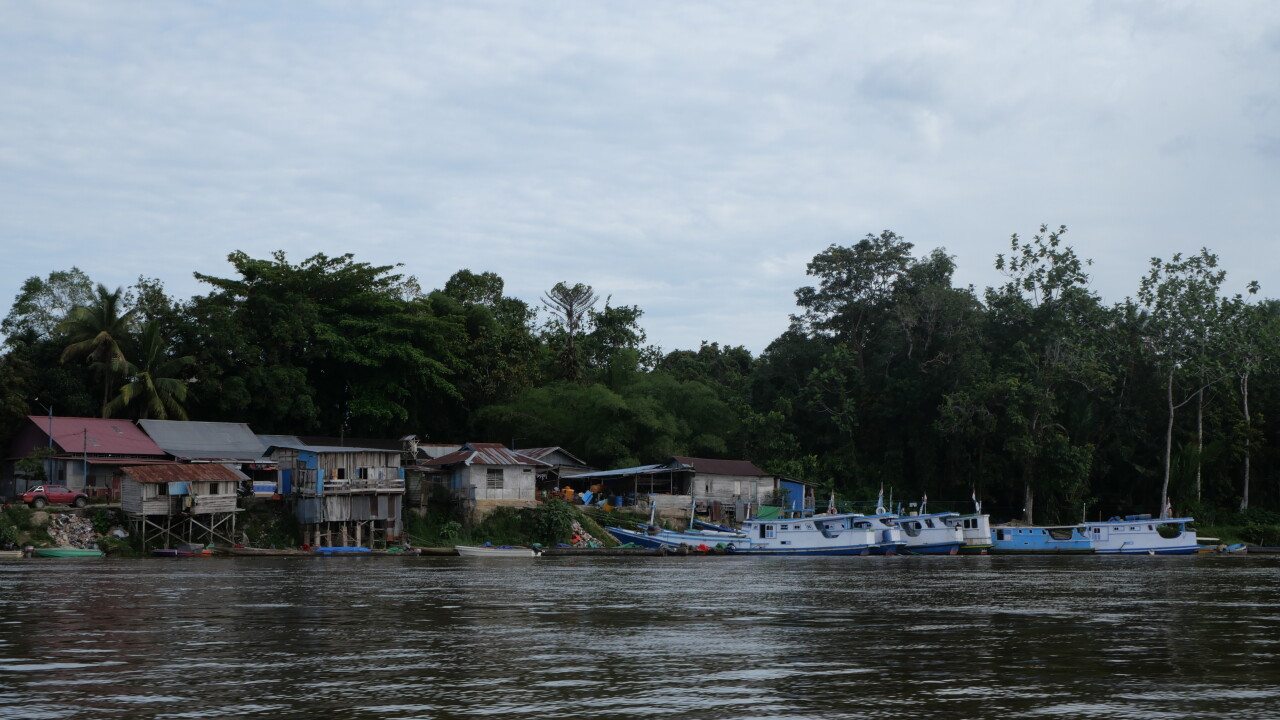
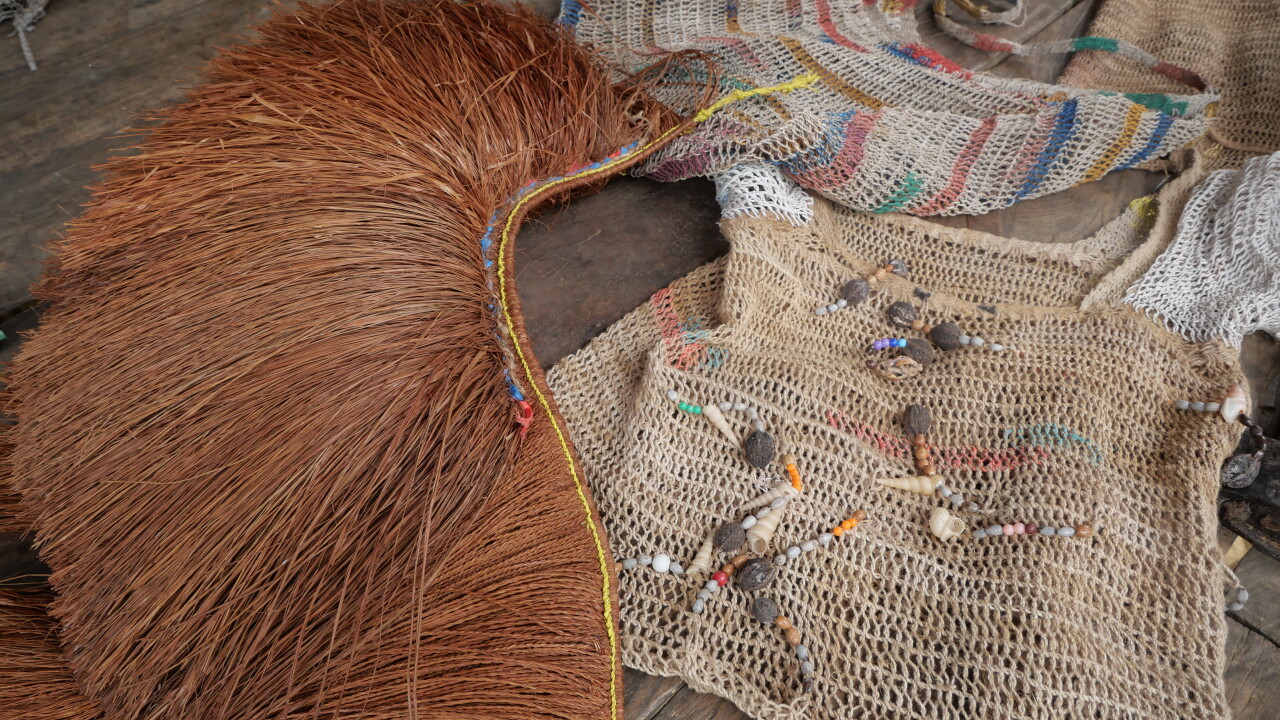
Ultimately, in 2017, the government assigned 36,206 hectares to the Malaysia-based company PT Indo Asiana Lestari. This vast stretch of forest, lying between the Digul and Mappi Rivers in Southern Papua, cuts across the territories of four villages—Ampera, Makmur, Navini, and Yare—that are home to multiple clans of the Awyu.
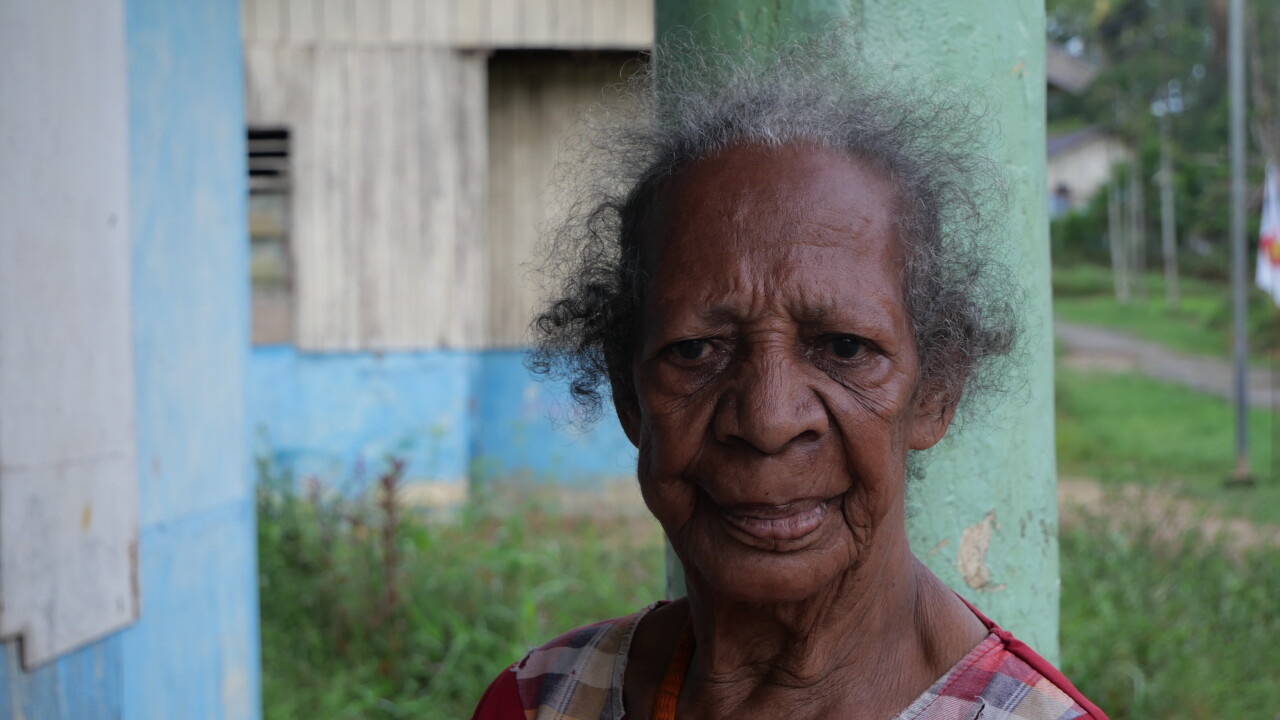
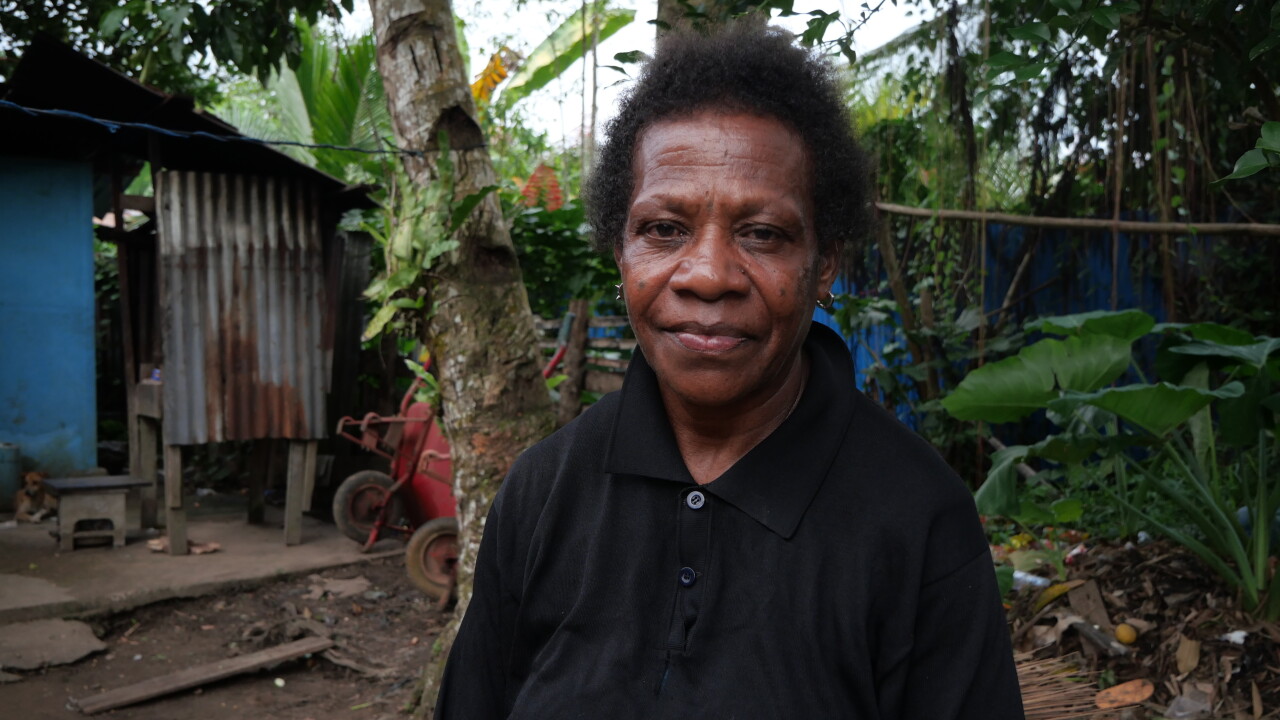
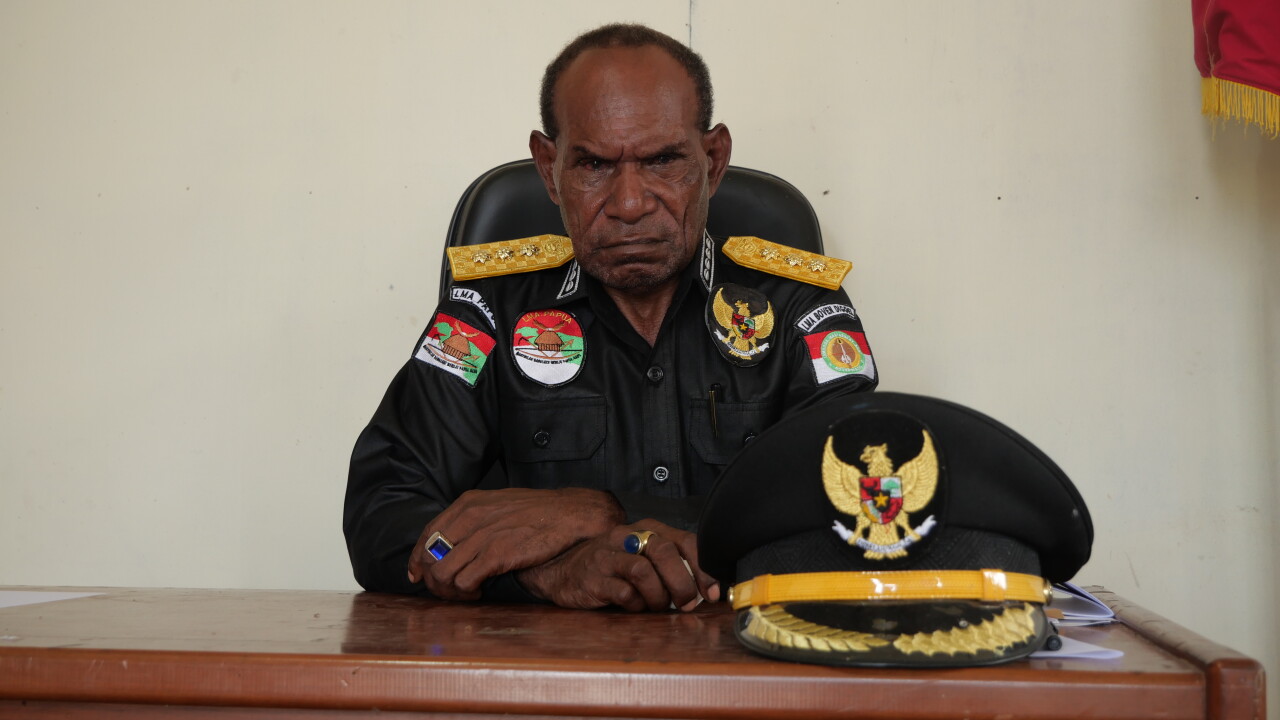
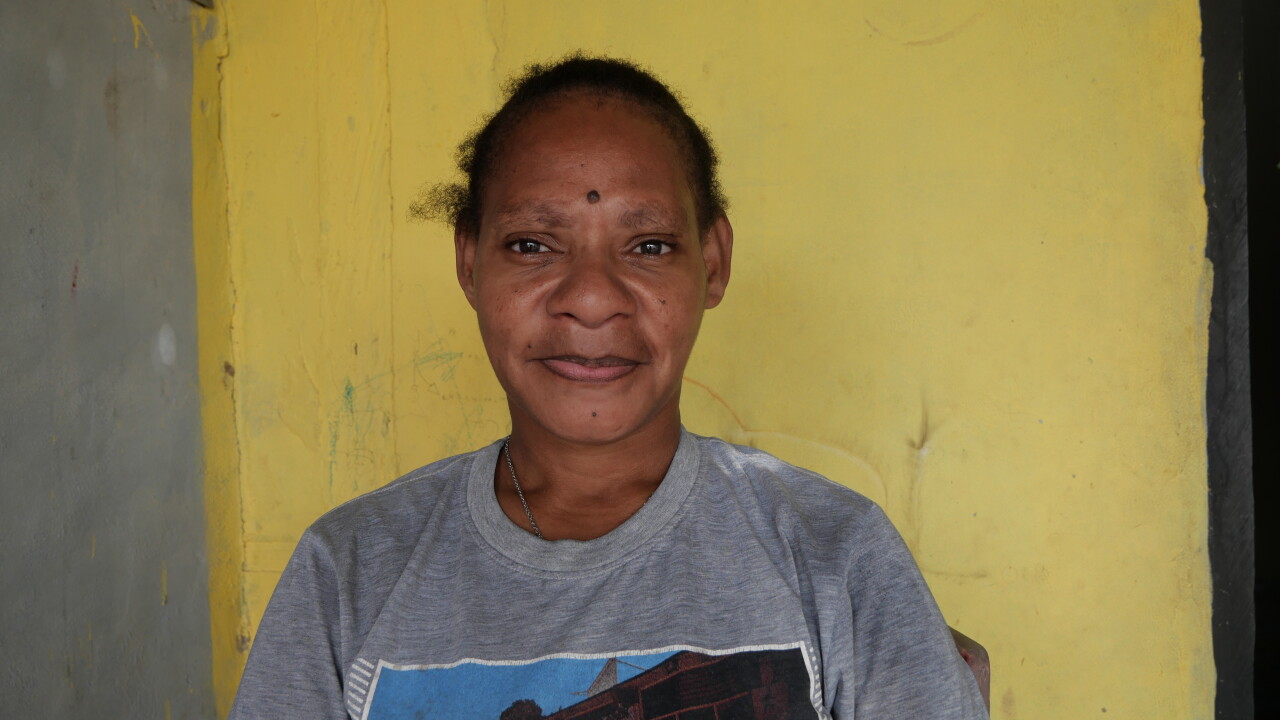
Human Rights Watch has monitored the situation in the area since 2021, and in 2024 we visited Ampera and other affected villages, interviewing several dozen community members, to understand how they were grappling with the possibility of losing their land.
Wednesday, 20 August 2025
Available in
“There Will be Nowhere Left”
Related News
ENG
Monday, 12 October 2026
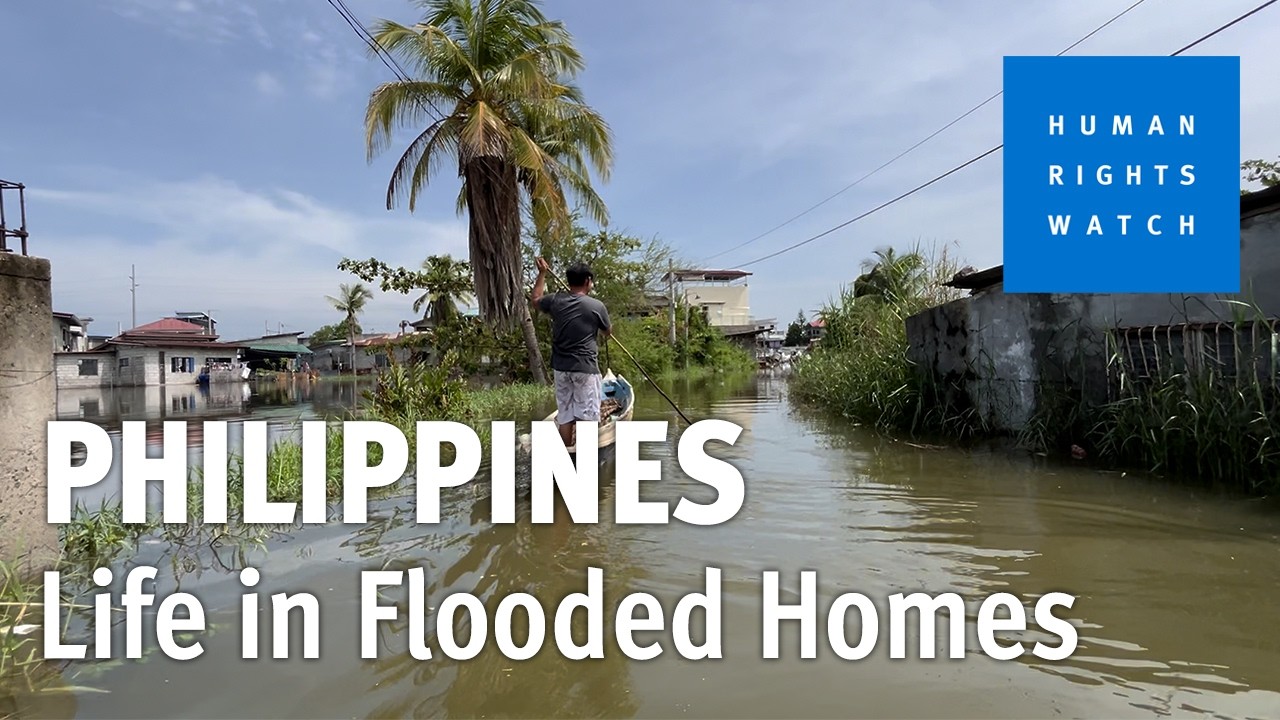
Philippines: Flood Control Project Disregards Rights
Pampanga Residents Face Flooding, Lack of Livelihoods at Relocation Site
ENG
KO
Tuesday, 8 September 2026
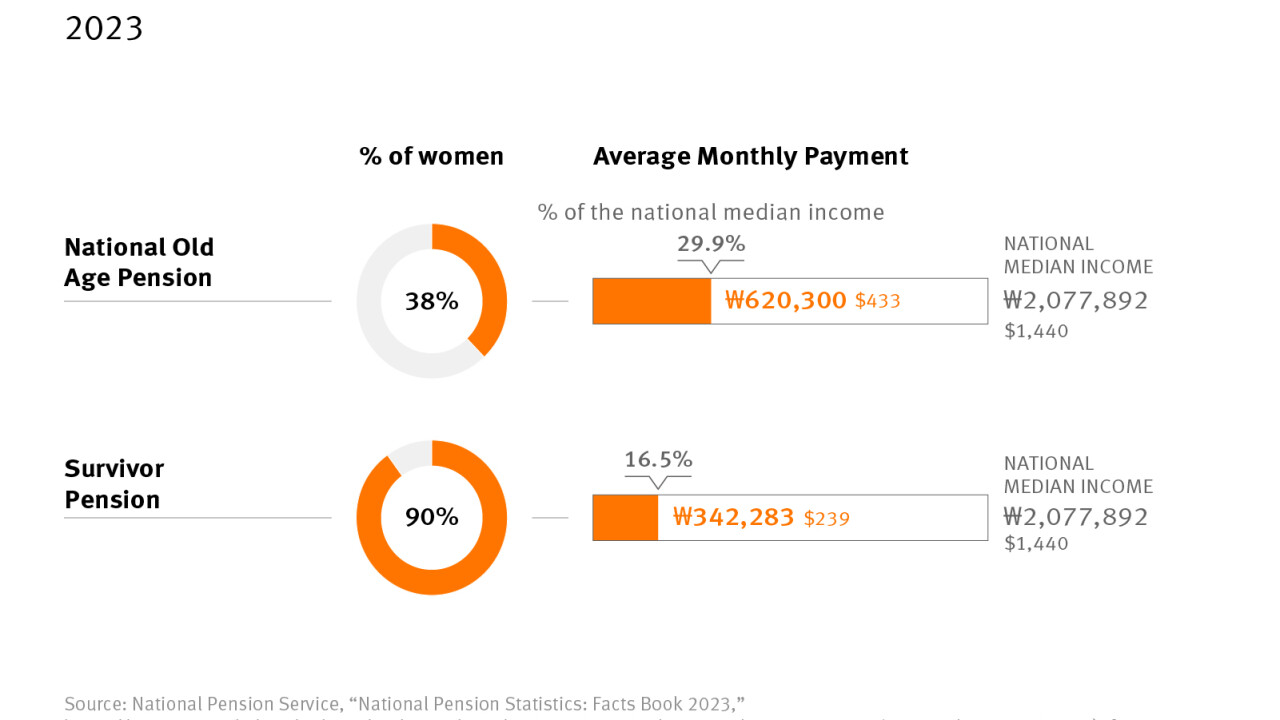
South Korea: Systemic Gender, Age Discrimination at Work
Widen Opportunities, Close Pay and Pension Gaps for Women

ENG
Monday, 18 May 2026
Myanmar: No Redress for Rohingya Muslims in Arakan Army Massacre
At Least 170 Killed at Hoyyar Siri in 2024 Amid Military Indifference; Survivors Denied Return