
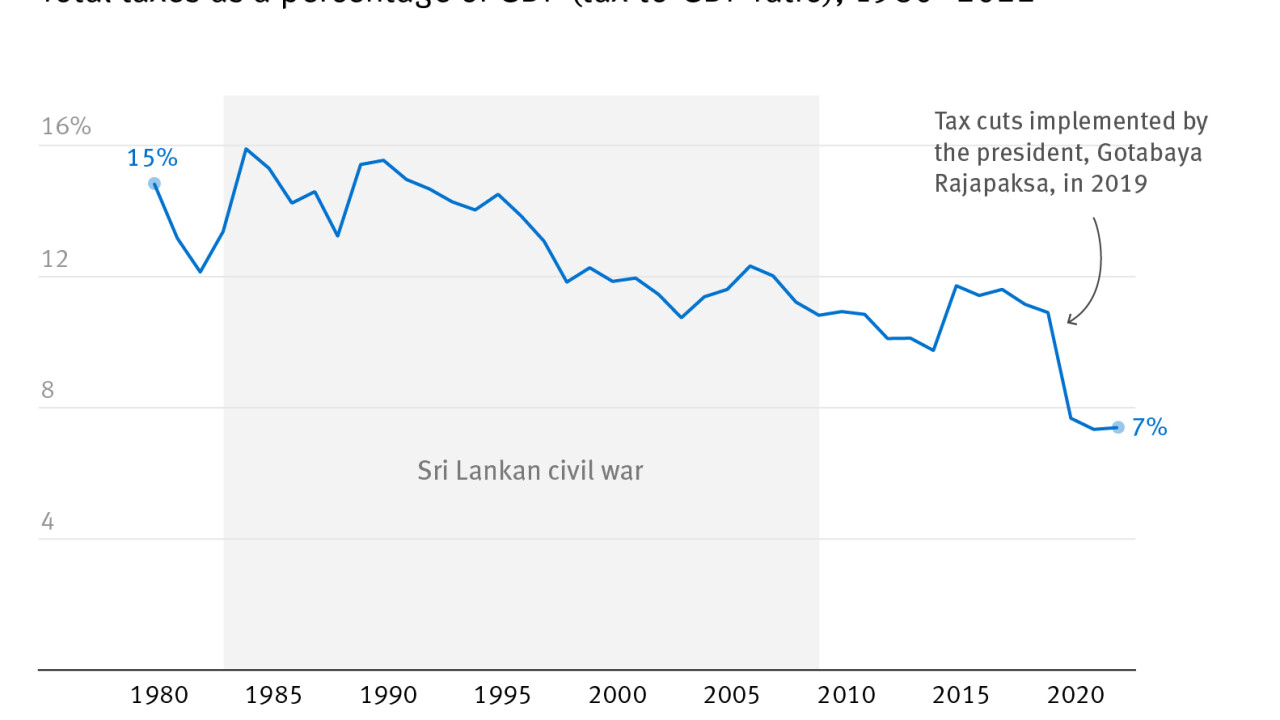
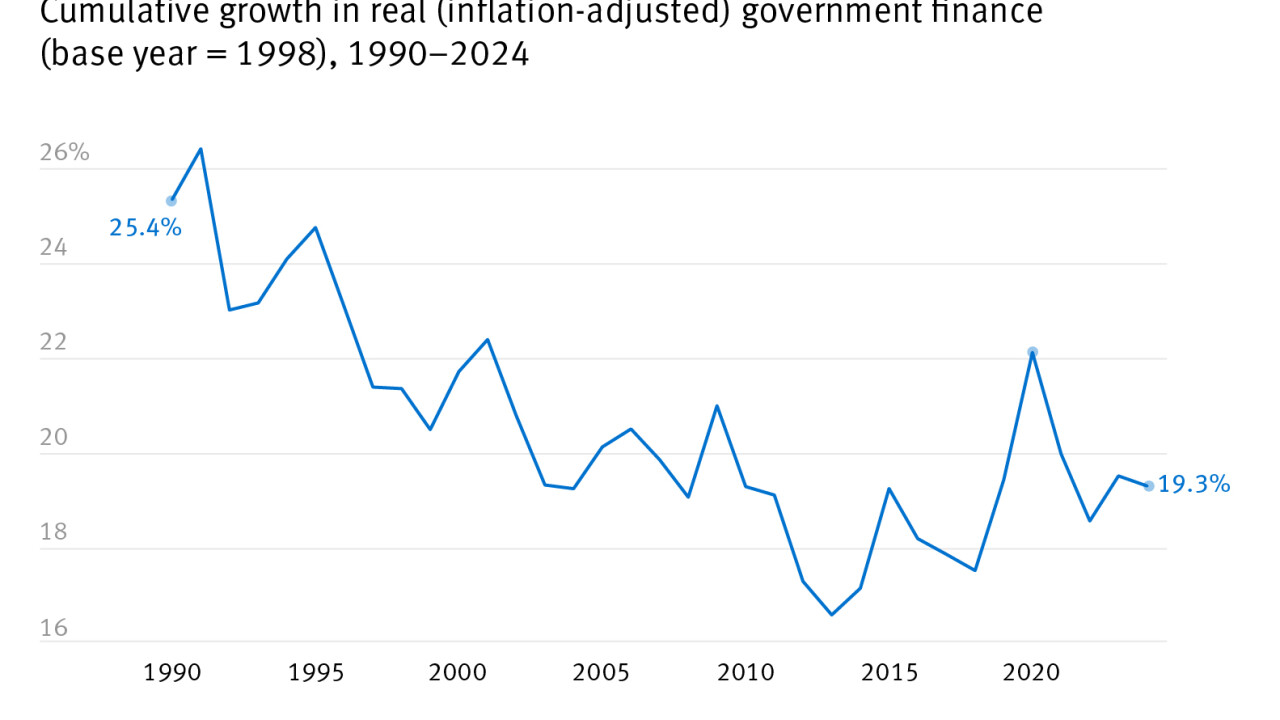
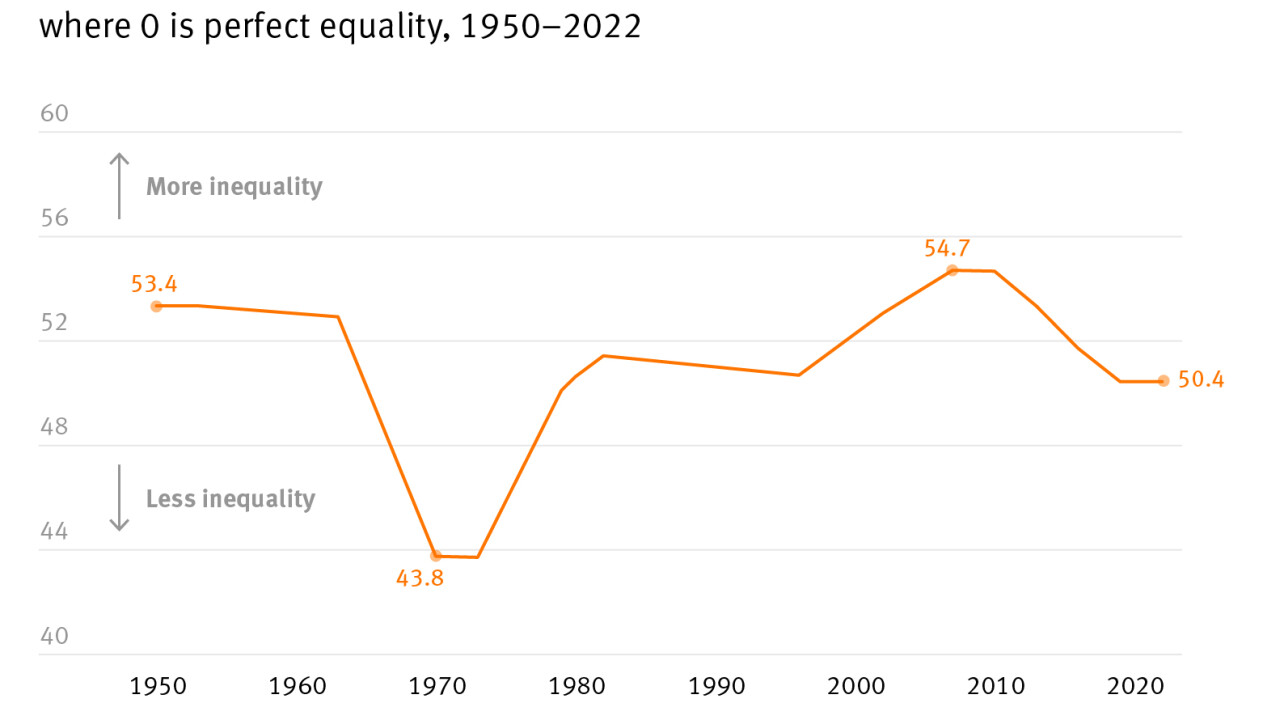
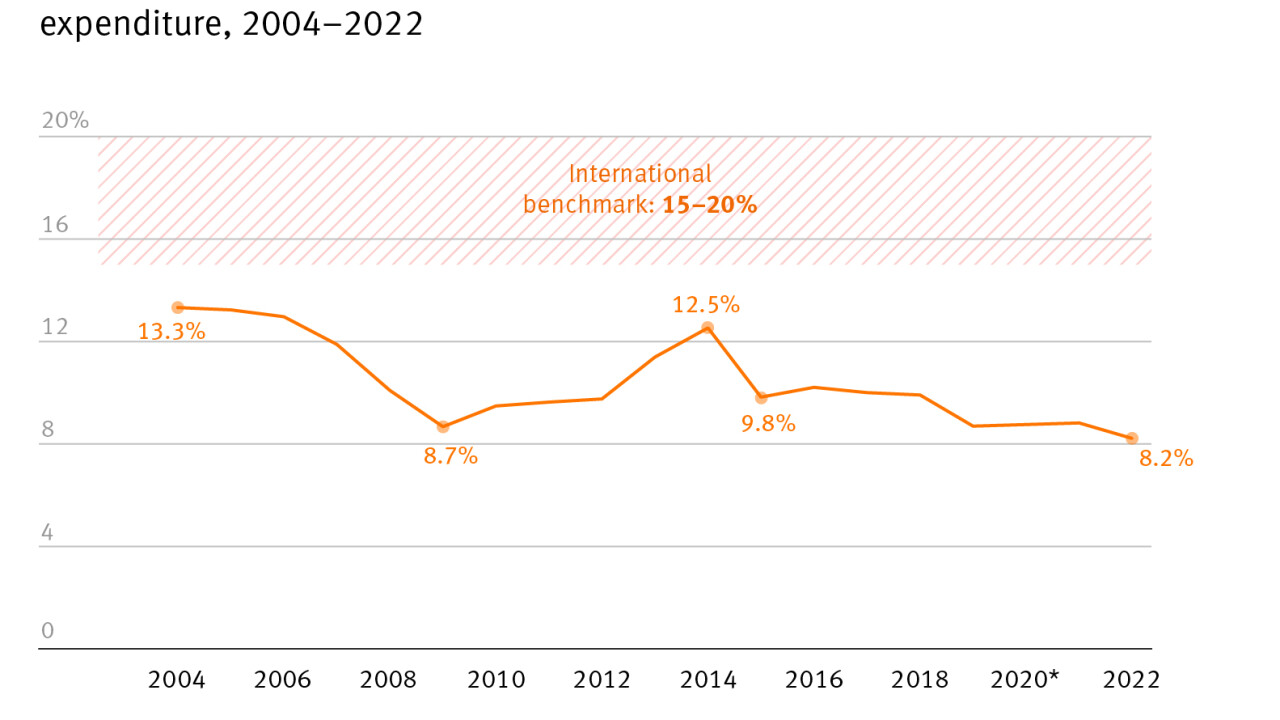
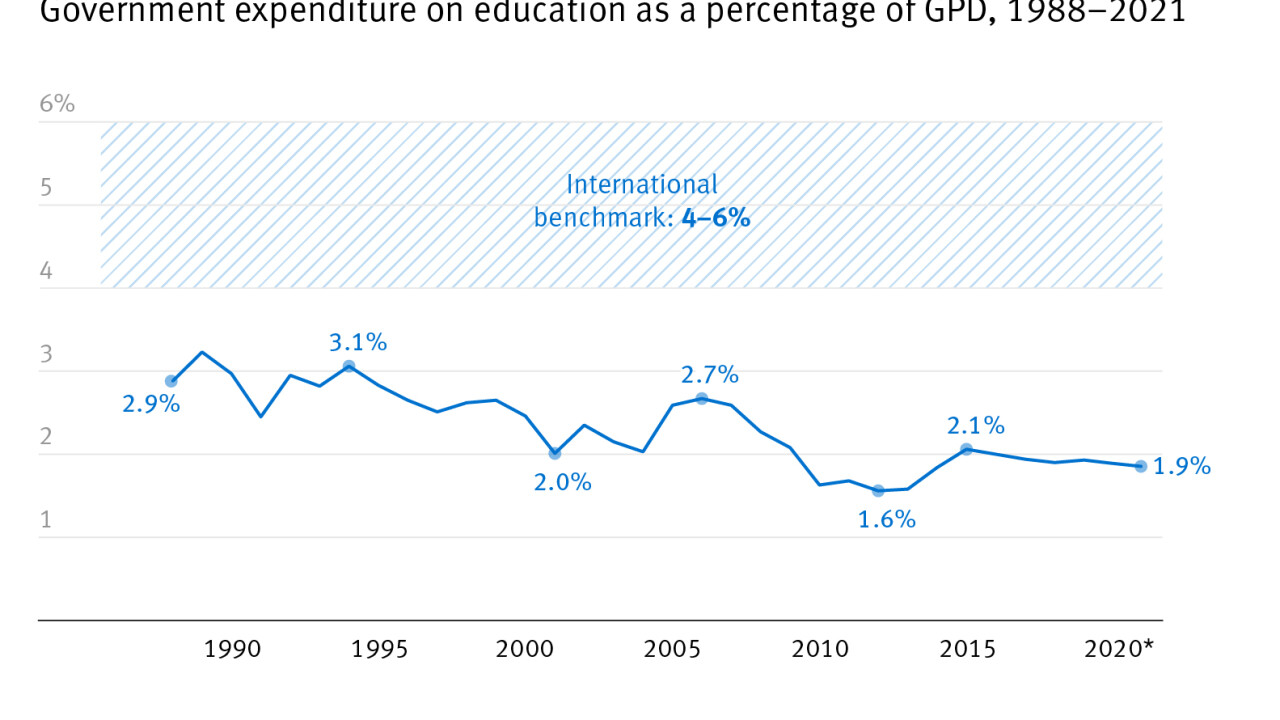
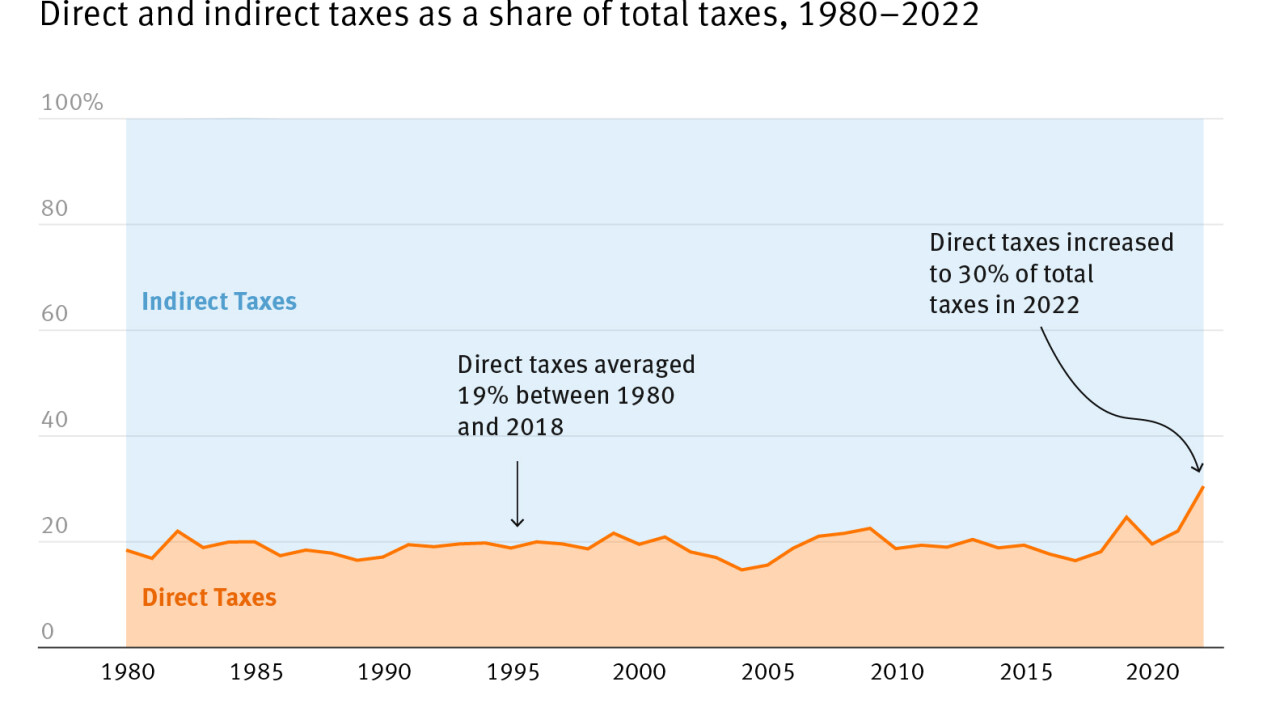
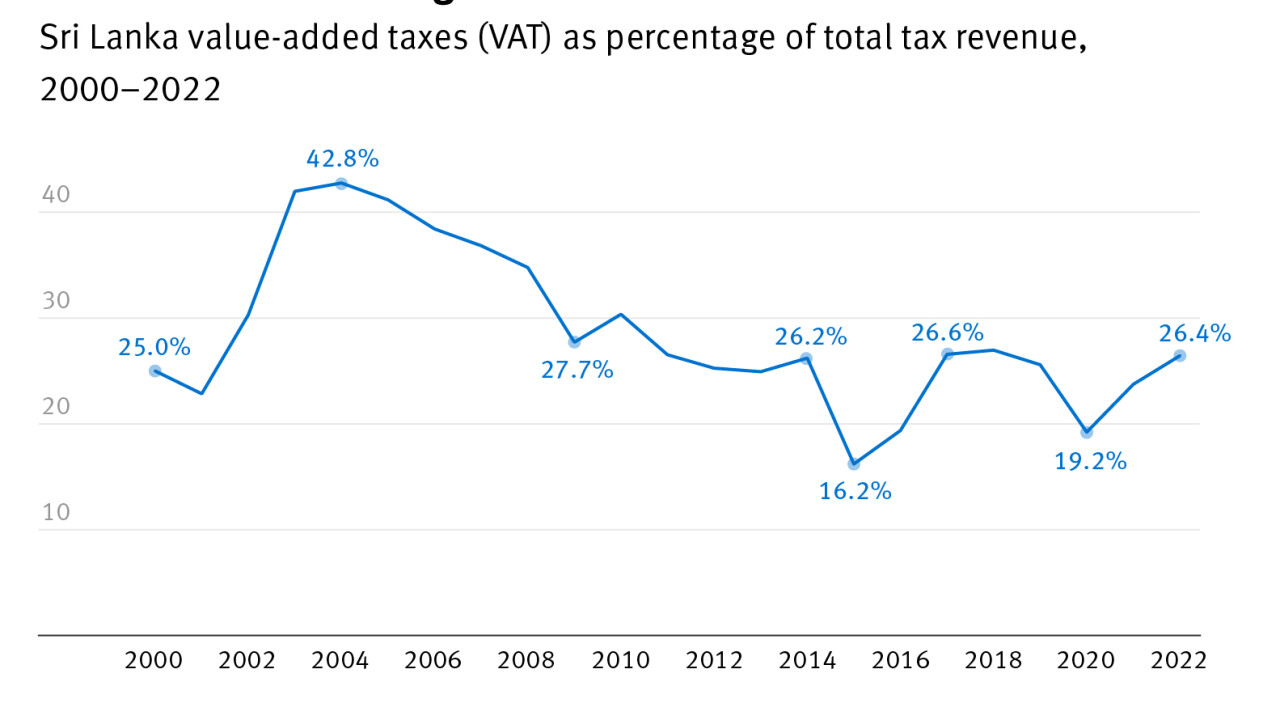
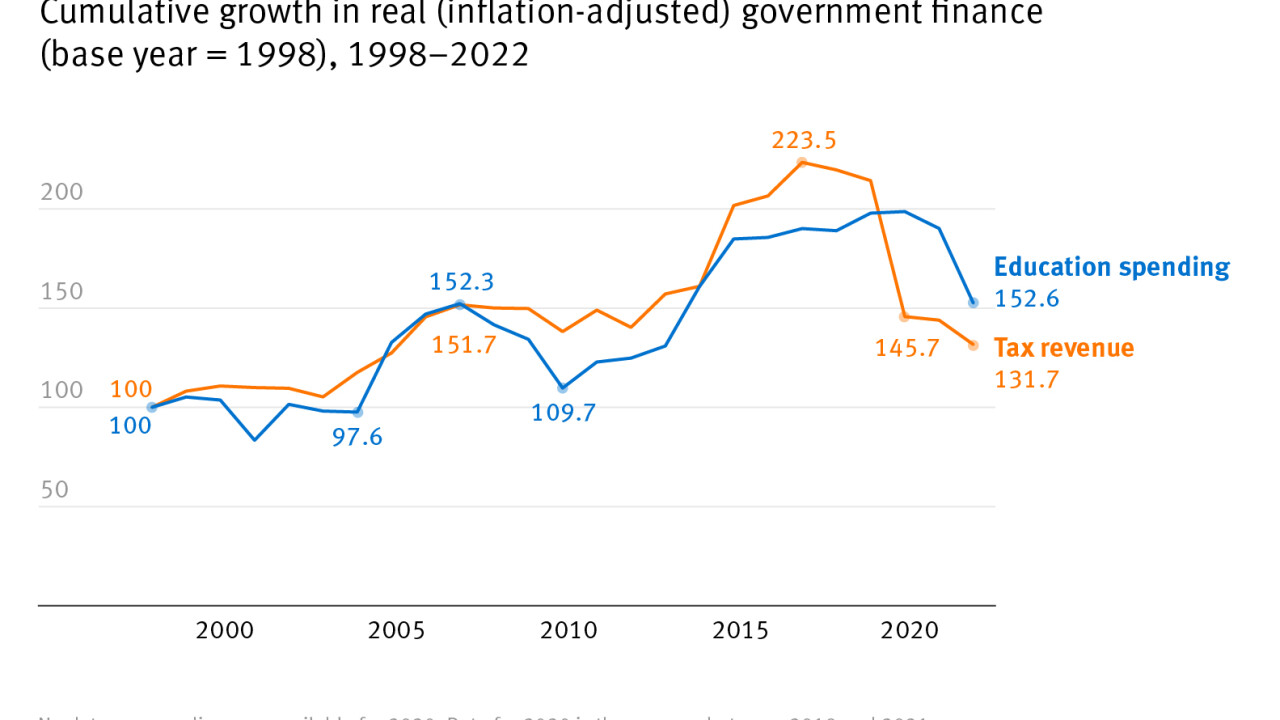
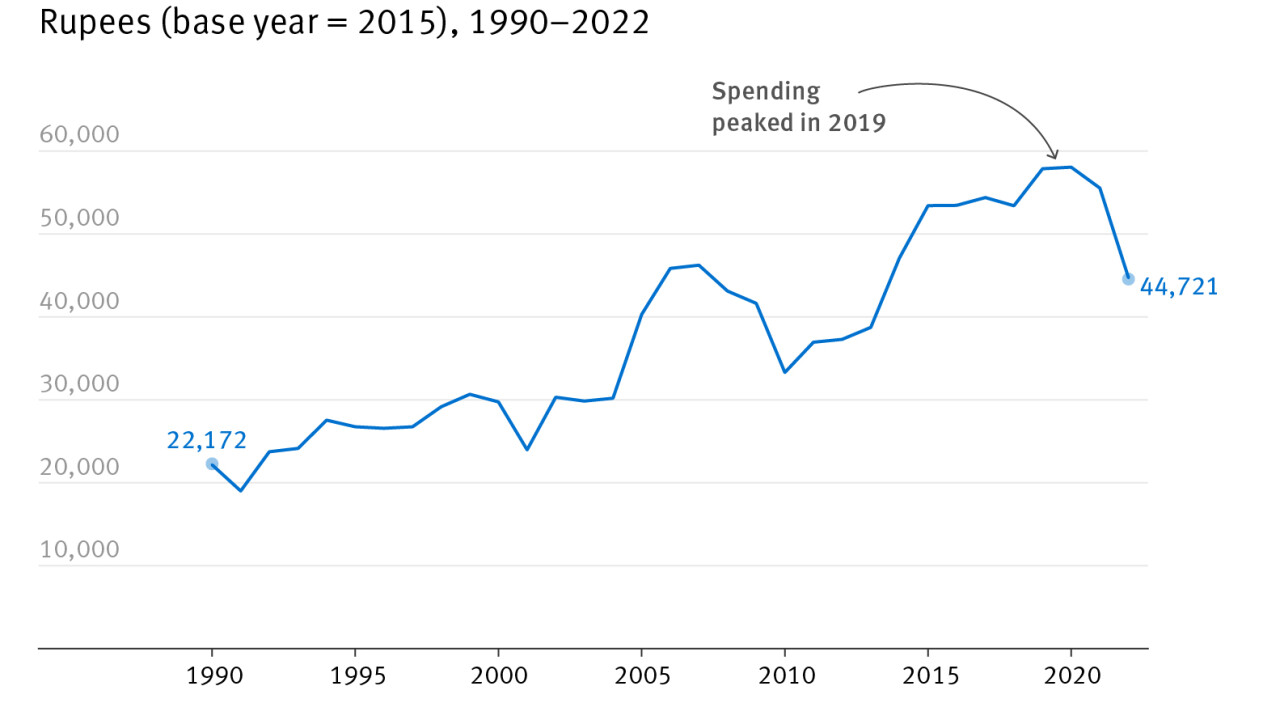
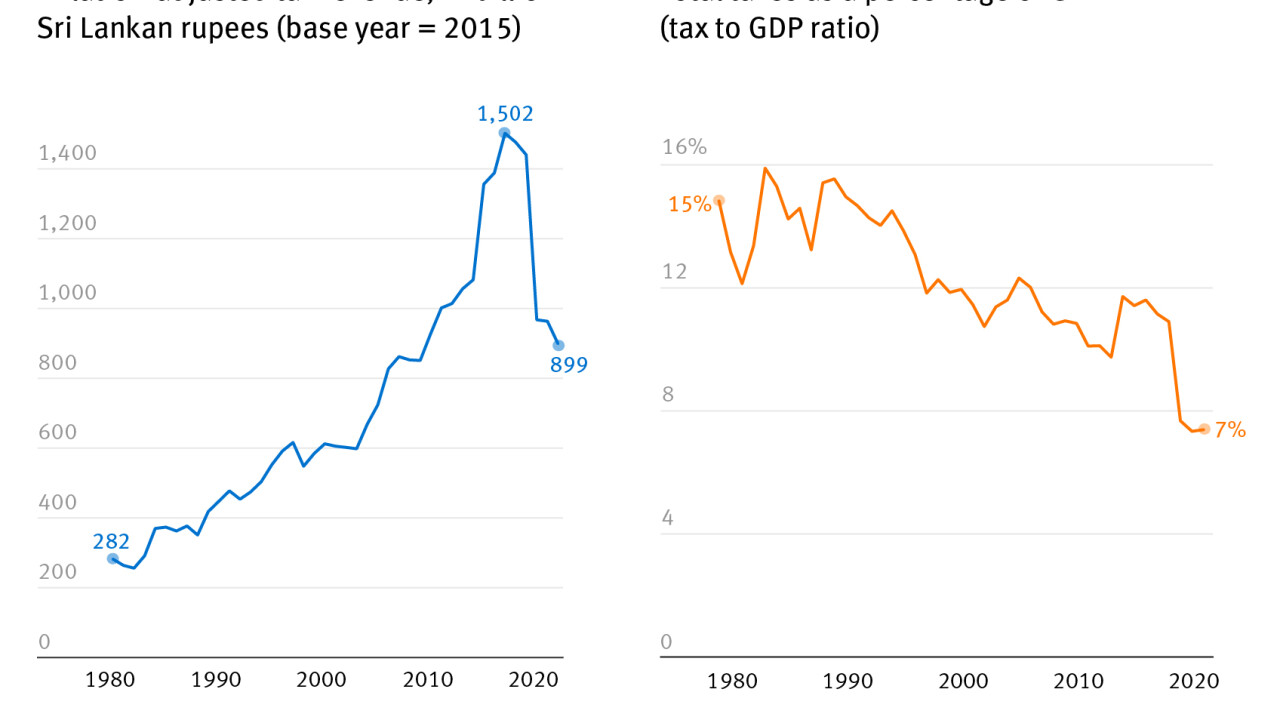
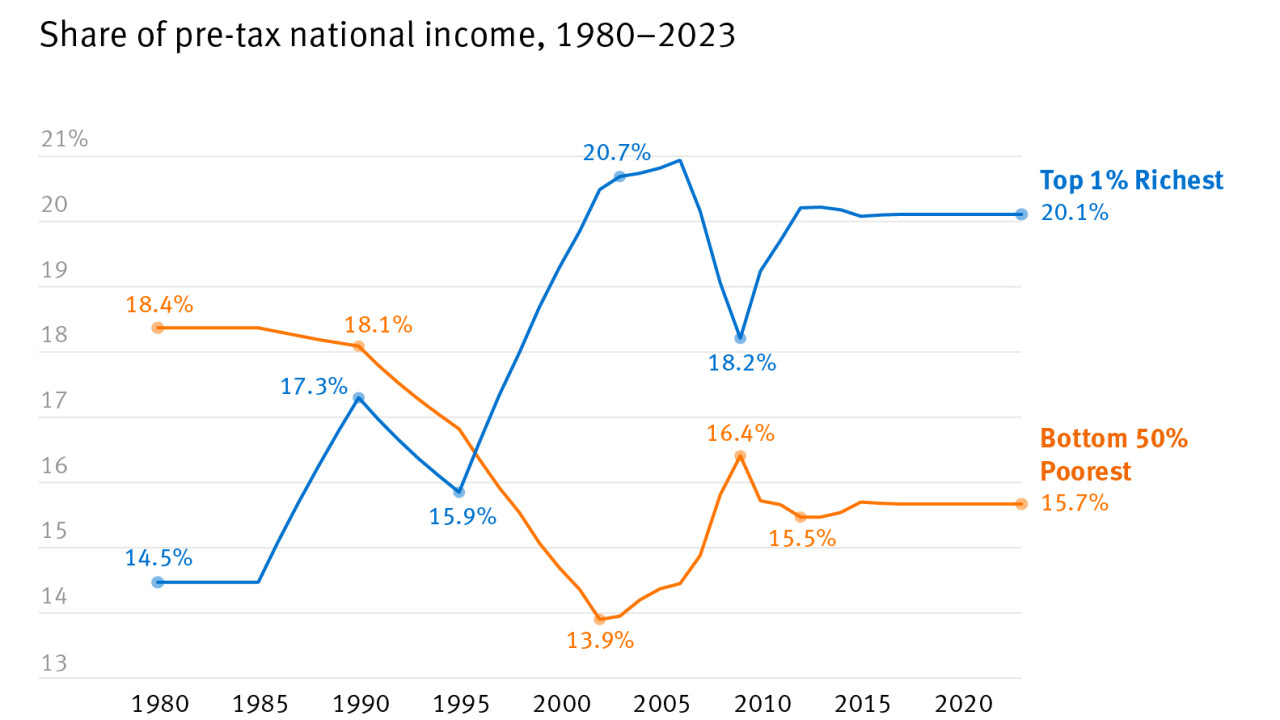
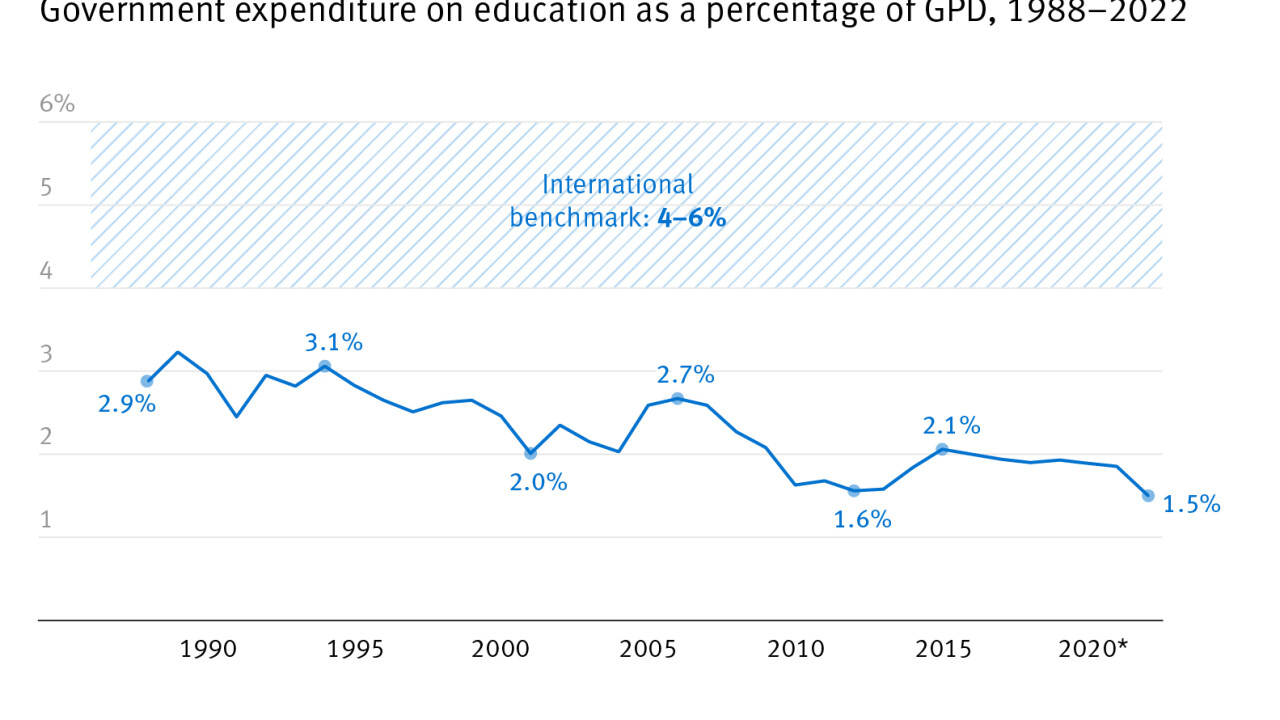
(Colombo, October 15, 2025) – Sri Lanka’s tax policies played a driving role in the country’s devastating 2022 economic crisis and have contributed to the chronic underfunding of education and other public services, Human Rights Watch said in a report released today. The government of President Anura Kumara Dissanayake should urgently adopt measures to uphold its human rights obligations and enact reforms to a system that presently favors companies and wealthy people while failing to deliver adequate revenues. The 101-page report, “Tax Giveaways, Struggling Schools: How Low Taxes Drove Sri Lanka’s Economic Crisis and Squandered its Education Lead,” describes how Sri Lanka’s successive governments have adopted policies that resulted in inadequate revenues, contributing not only to Sri Lanka defaulting on its debt but also to a decades-long decline in public education spending as a share of Gross Domestic Product (GDP) to among the lowest in the world. It also documents the impacts of inadequate funding on children’s right to education. Moreover, low corporate and personal tax revenues have led to an average of 80 percent of taxes coming from goods and services, which generally are regressive because they claim a higher share of poorer people’s income.
Wednesday, 15 October 2025
Available in
Sri Lanka: Ruinous Tax Policies Stoke Inequality
Related News
ENG
Monday, 12 October 2026
Philippines: Flood Control Project Disregards Rights
Pampanga Residents Face Flooding, Lack of Livelihoods at Relocation Site
ENG
KO
Tuesday, 8 September 2026
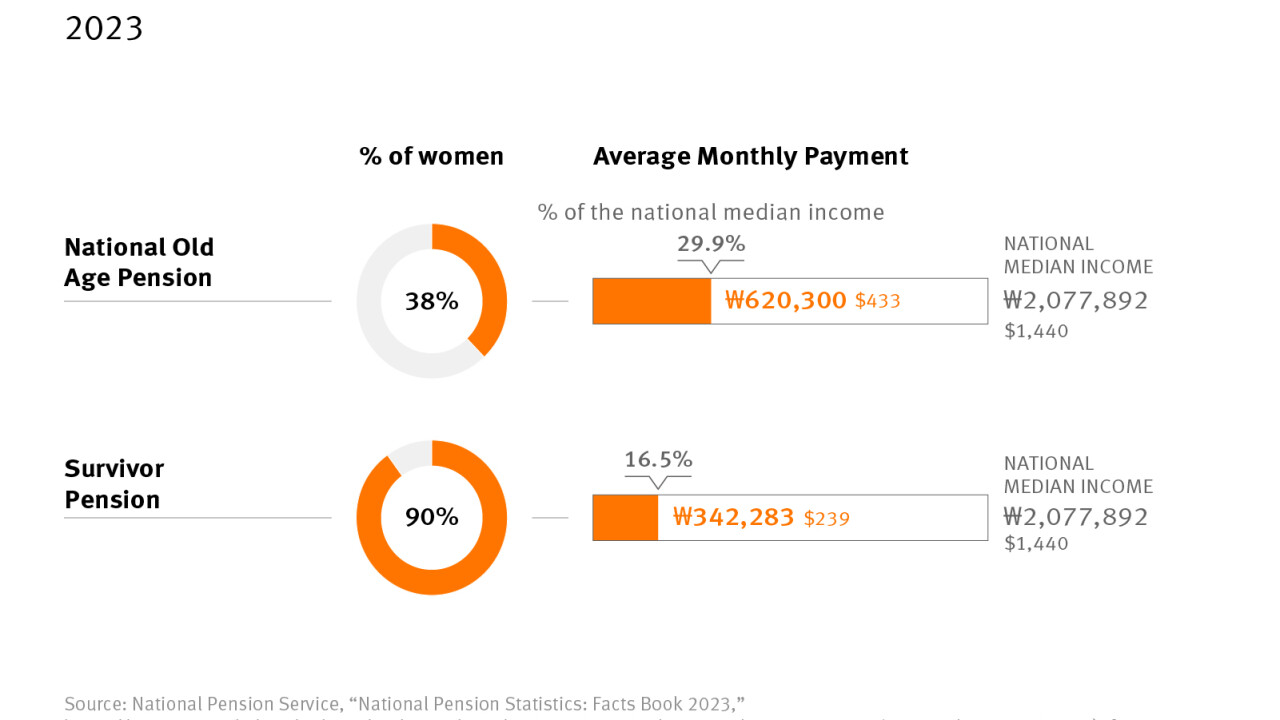
South Korea: Systemic Gender, Age Discrimination at Work
Widen Opportunities, Close Pay and Pension Gaps for Women
ENG
Tuesday, 7 July 2026
Buscando Vida: Searching for Life in Havana