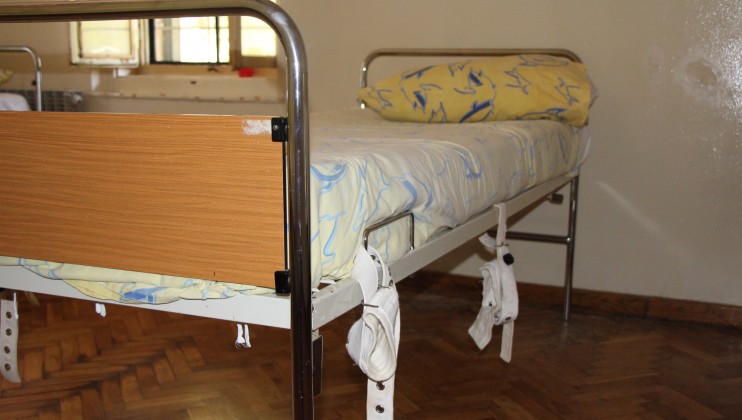
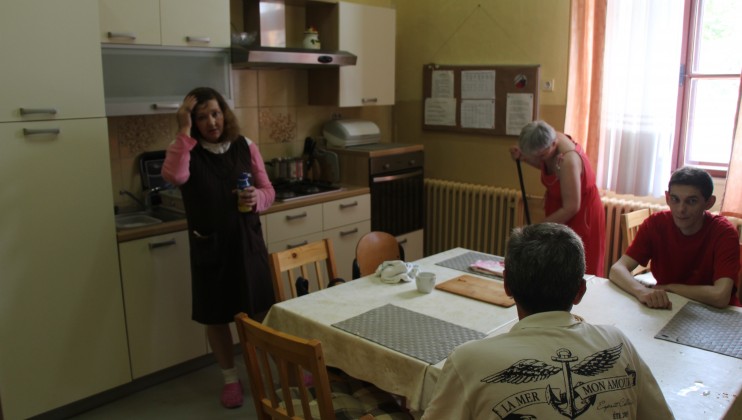
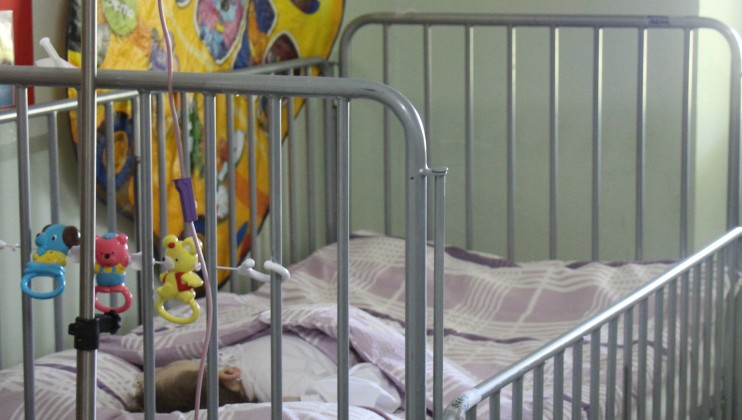
(Geneva – October 6, 2014) More than 8,200 people with intellectual or psychosocial disabilities in Croatia remain in segregated institutions and psychiatric hospitals with little control over decisions that affect their lives, Human Rights Watch said today. This week, the United Nations will review Croatia’s efforts to put into effect the Convention on the Rights of Persons with Disabilities.
While the Croatian government has made some progress in protecting the rights of people with disabilities, the process of moving people out of institutions and into community-based living arrangements has been limited and slow, Human Rights Watch research found. People with certain disabilities are still legally deprived of their right to make decisions about their lives. The government’s deinstitutionalization plan should include all state and private institutions where persons with disabilities live, and the government should revise the law on legal capacity so that all people with disabilities are allowed and encouraged to make their own decisions.
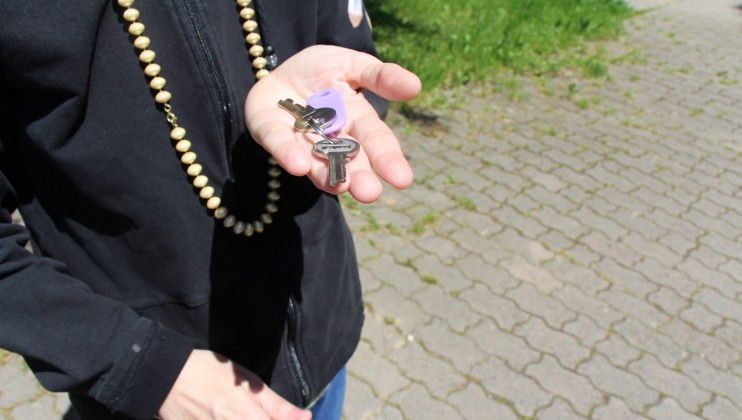
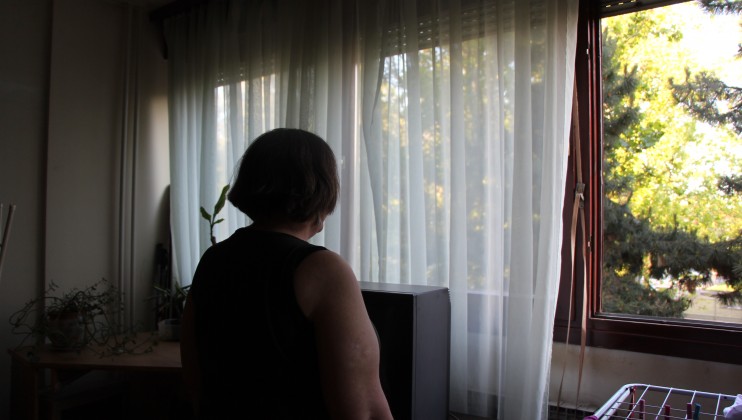
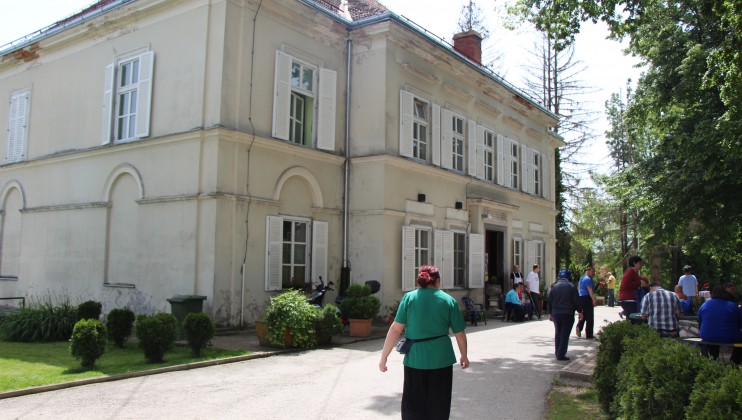
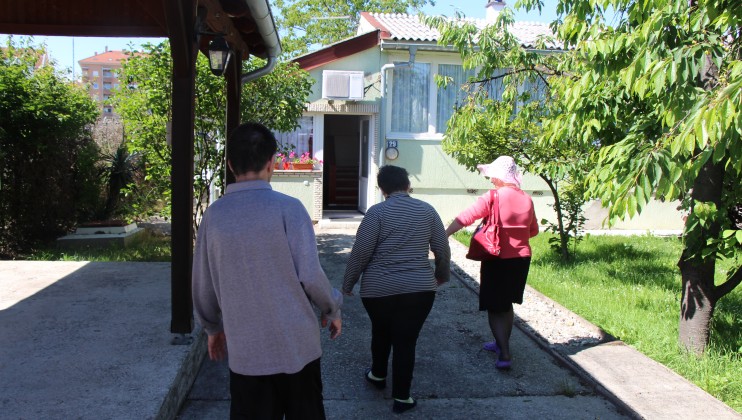
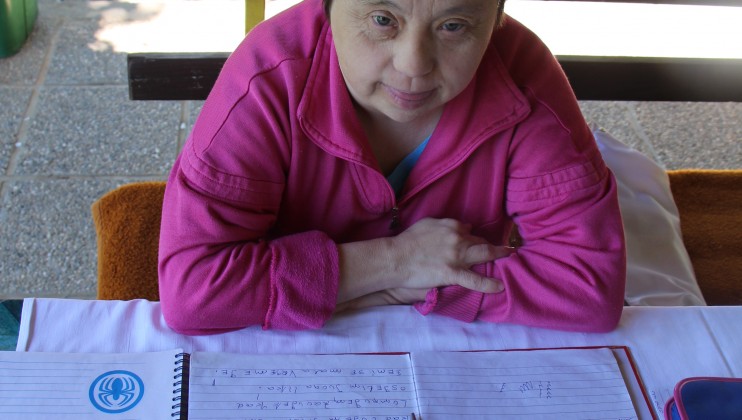
In a video released by Human Rights Watch today, people with psychosocial disabilities talked about the benefits of moving into the community after living in segregated institutions, some of them all their lives.
Eleven of 46 state institutions have begun the process of deinstitutionalization, and as of July 2014, 458 people with intellectual disabilities and 96 people with psychosocial disabilities have moved into the community.
CROATIA: LOCKED UP AND NEGLECTED
Videos (1)

Feature
4m 46s


Documents (1)