
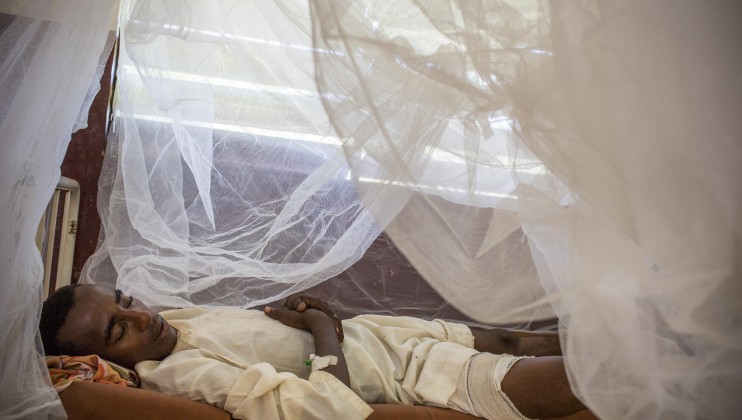
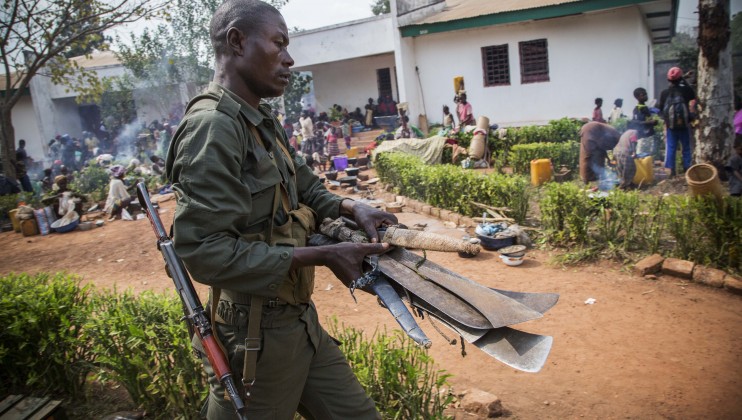
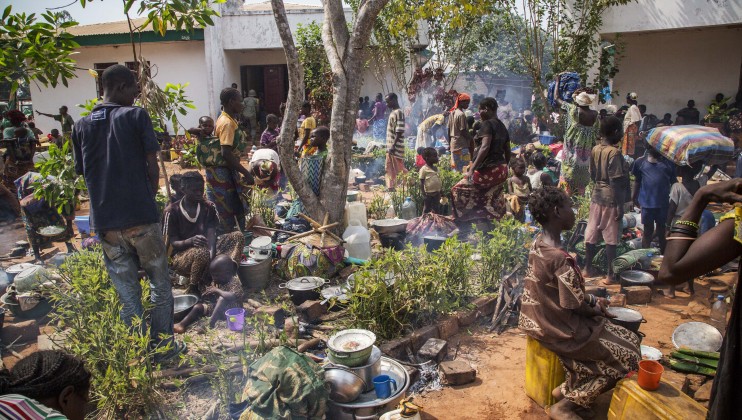
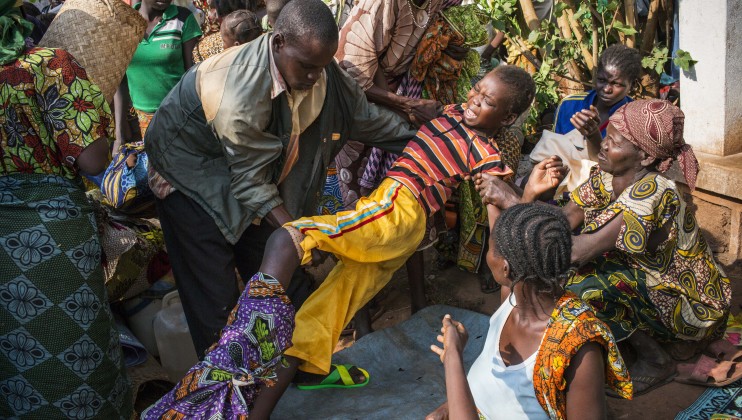
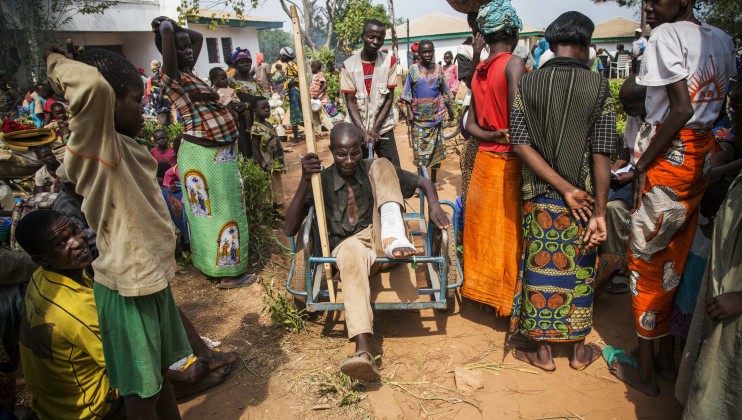
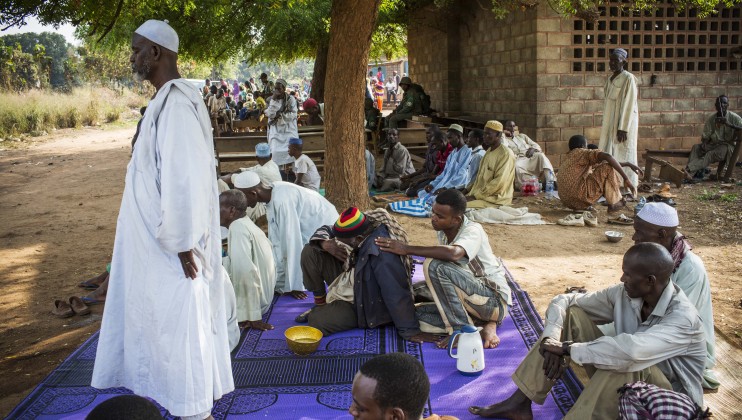
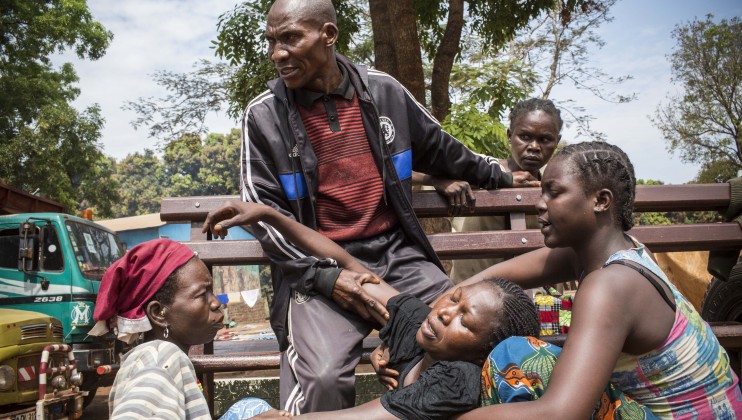
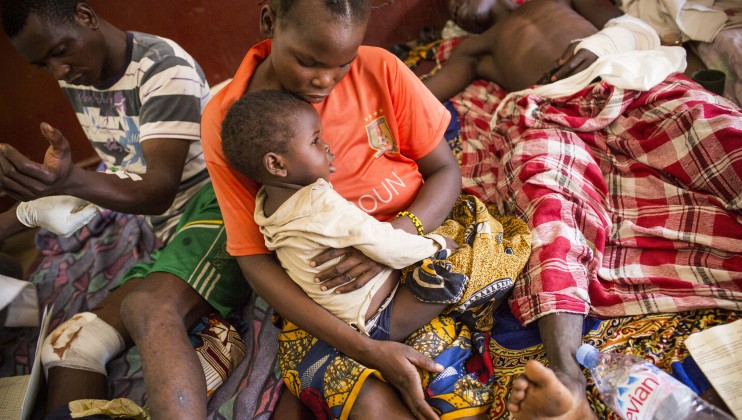
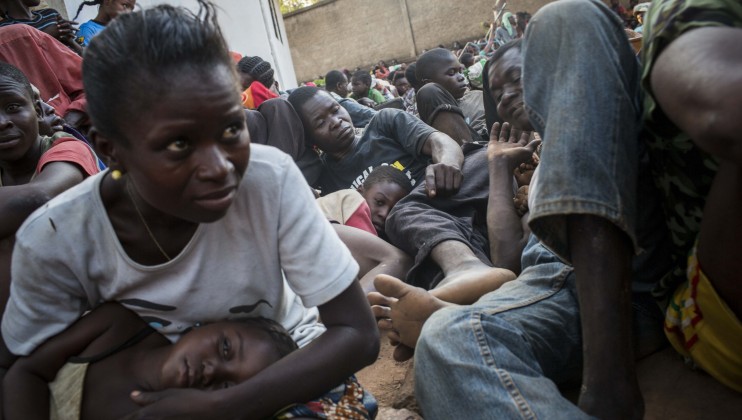
Since overthrowing the government in March, Seleka forces, an alliance of predominantly Muslim armed groups, have ruled through the gun and with terror, attacking and burning down Christian villages, killing and wounding untold numbers of people. Hundreds of thousands have fled their homes in fear, creating a humanitarian crisis.
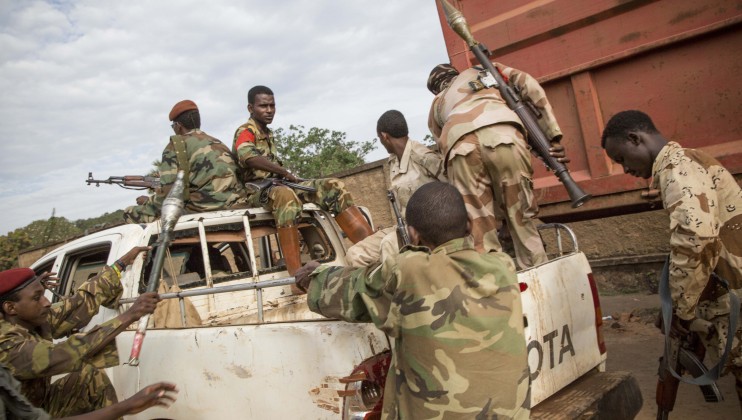
Future atrocities are in the making. On Friday morning, after anti-balaka militias had chased his forces from much of Bossangoa, Seleka commander Colonel Saleh took his regrouped fighters to the outskirts of the Catholic Church camp that housed some 35,000 displaced Christians. His men then fired several rocket-propelled grenades into the crowded camp, and repeatedly threatened to attack it unless the anti-balaka left Bossangoa. Hoping to avoid a massacre, the African peacekeepers negotiated an end to the crisis and got the anti-balaka to stand down, knowing that Colonel Saleh would have no second thoughts about launching a full-out attack on 35,000 civilians.
With between 400 to 500 dead in similarly brutal clashes and massacres since Wednesday in Bangui, where many of the corpses still laying uncollected in the streets, little doubt remains that the Central African Republic stands on the precipice of ever-widening sectarian bloodshed. France knows how critical the situation has become, sending hundreds of additional French troops to the country to provide civilian protection, but it is still struggling to find support for a broader international stabilization force for the country under United Nations command.
Monday, 9 December 2013
Available in
UNFOLDING TRAGEDY IN THE CENTRAL AFRICAN REPUBLIC
Related News
ENG
FRA
ESP
Thursday, 8 October 2026
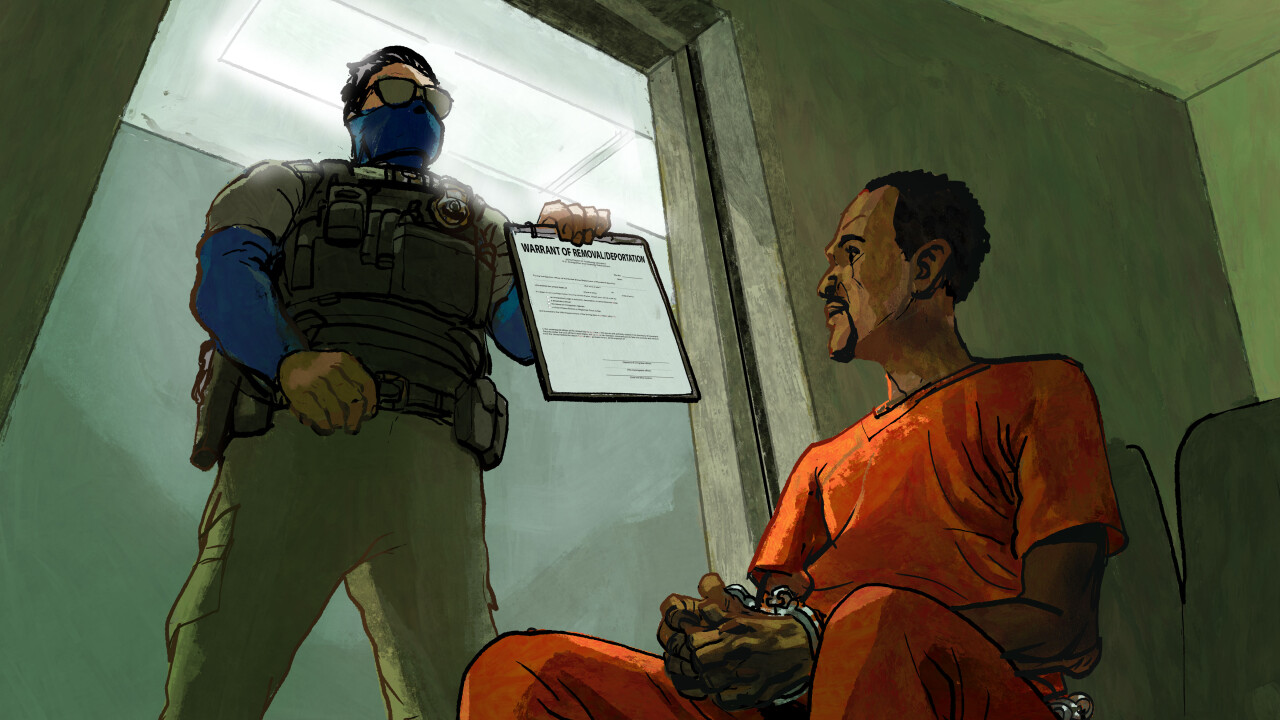
US: Deportations to African Countries Not Their Own
Denied Due Process; Some Returned to Danger in Home Countries
ENG
FRA
Wednesday, 22 July 2026
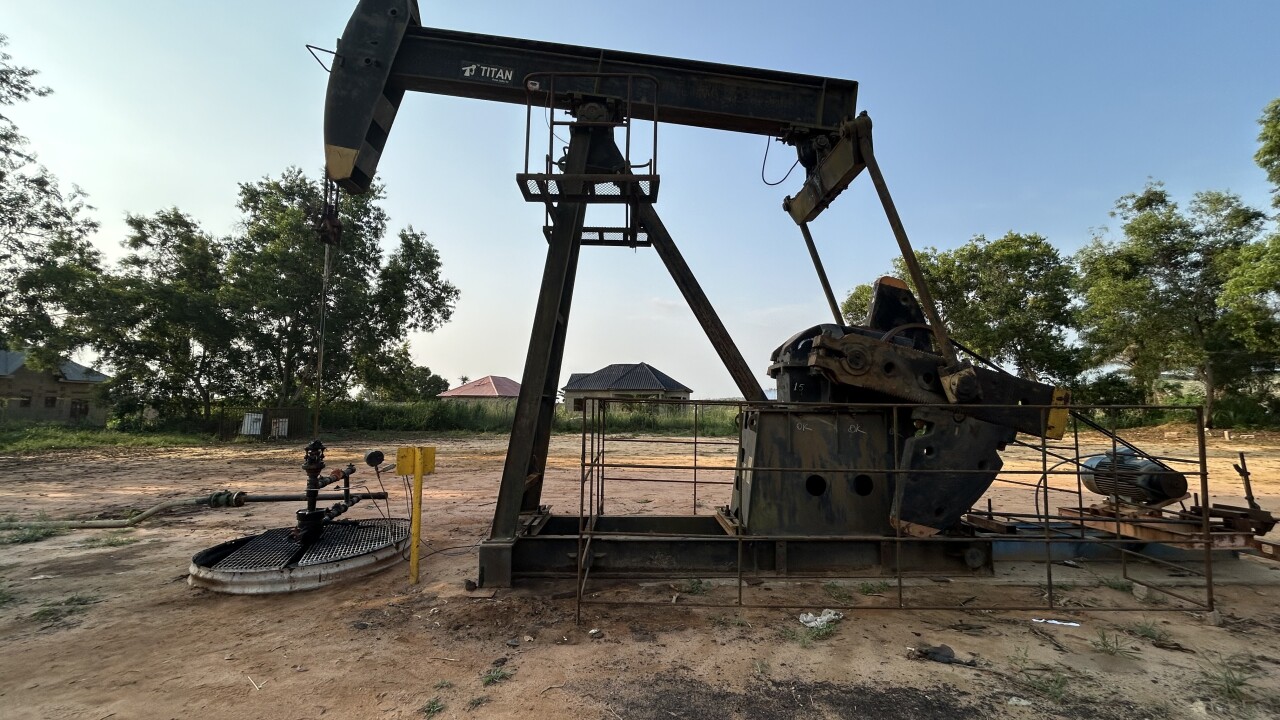
DR Congo: Oil Company Operations Pose Grave Pollution Threat
Transparency Needed to Address Health Risks to Nearby Communities
ENG
Friday, 12 June 2026
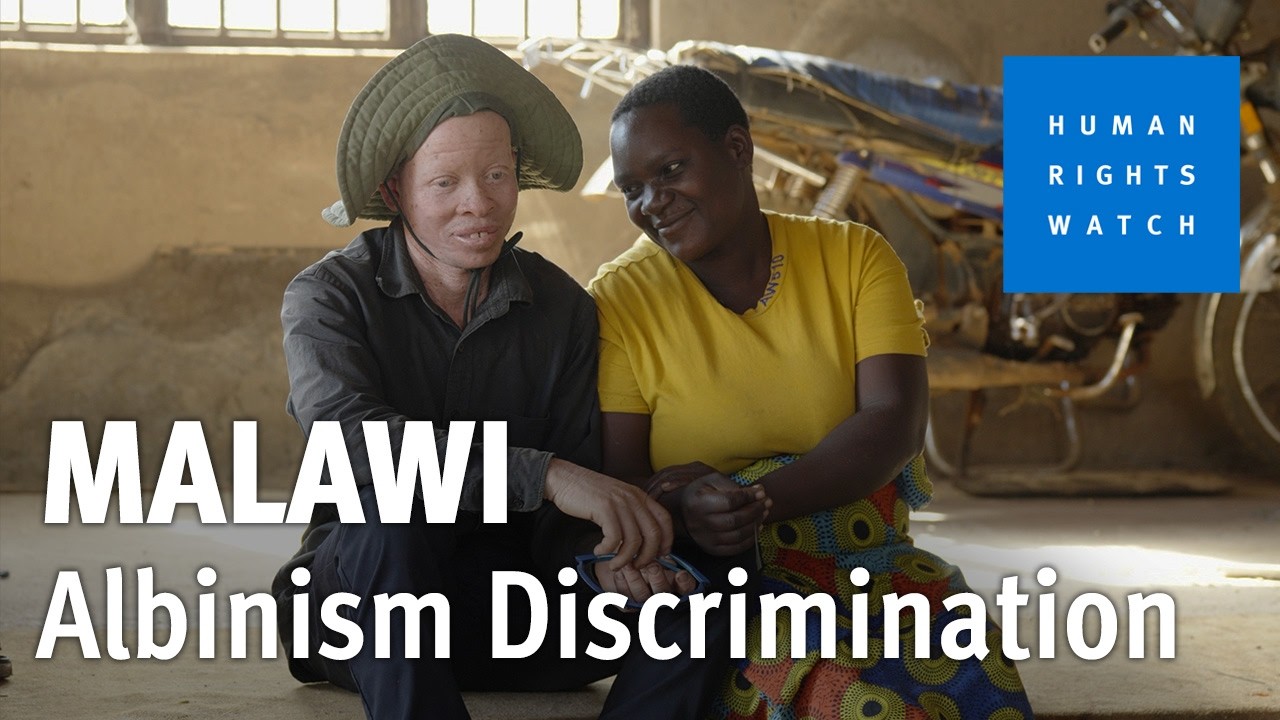
Malawi: People with Albinism Face Discrimination, Barriers to Work
Stigma, Insecurity, Lack of Accommodations Undermine Rights