
Dispatch by Celso Perez
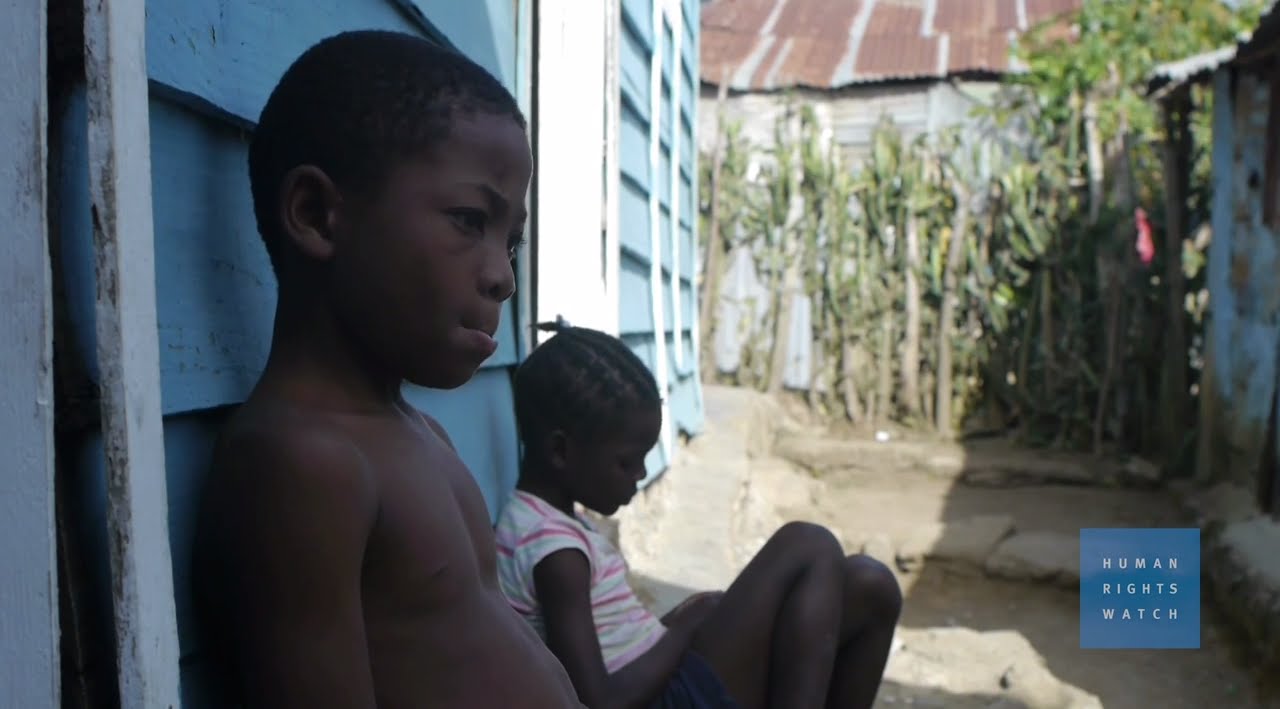
I interviewed Rosanna, a bright 17-year-old born in the Dominican Republic, a couple of weeks ago during my investigation into Dominican nationality law for Human Rights Watch. Rosanna’s parents migrated from Haiti over 20 years ago; for two years, she has been involuntarily enmeshed in an increasingly contested national struggle over who is, and who is not, a Dominican national.
Beginning today, Rosanna also faces the risk of expulsion to Haiti under a government deadline – though it's not clear how many people are affected.
In 2013, the Dominican Constitutional Tribunal retroactively removed citizenship from tens of thousands of Dominicans. Most of them, like Rosanna, are of Haitian descent – a historically marginalized community. This has left them unable to carry out basic civil tasks such as register children at birth, enroll in school and university, participate in the formal economy, or move around the country without risk of detention and expulsion. Forced to quit public school, Rosanna now picks and sells fruit in the countryside making less than $3 a day.
In 2014, President Danilo Medina’s administration attempted to mitigate the high court ruling with a Naturalization Law aimed at recognizing the citizenship claims of those affected by the 2013 decision. Despite a promising legal framework, the law has been fraught with design and implementation flaws that have thwarted the naturalization process. Tens of thousands of Dominicans like Rosanna were unable to benefit from the law, and are now vulnerable to expulsion.
Dominican Citizens at Risk of Expulsion to Haiti
Videos (1)
Feature
4m 4s
Related News
ENG
FRA
POR
Wednesday, 28 October 2026
Brazil: New Evidence of Serious Police Misconduct in Deadly Raid
Investigation Finds Obstruction of Justice, Body Camera Tampering; Suggests Intentional Killings

ENG
Monday, 21 September 2026
US: Deportations to Haiti Endanger Lives
Deepening Crises, Inadequate Reception Put Returnees at Risk
ENG
ESP
Tuesday, 21 July 2026
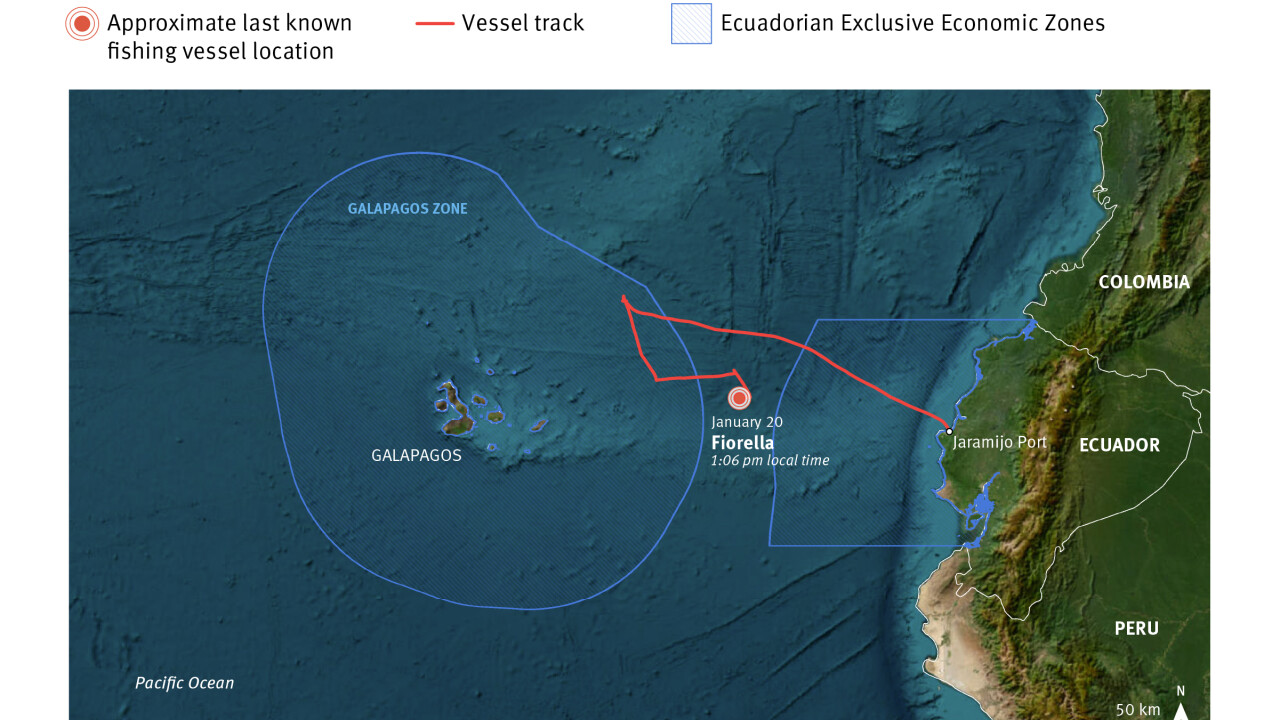
US/Ecuador: Abuses Proliferate as Security Cooperation Deepens
Congress Should Investigate US Role in Land, Sea Attacks