
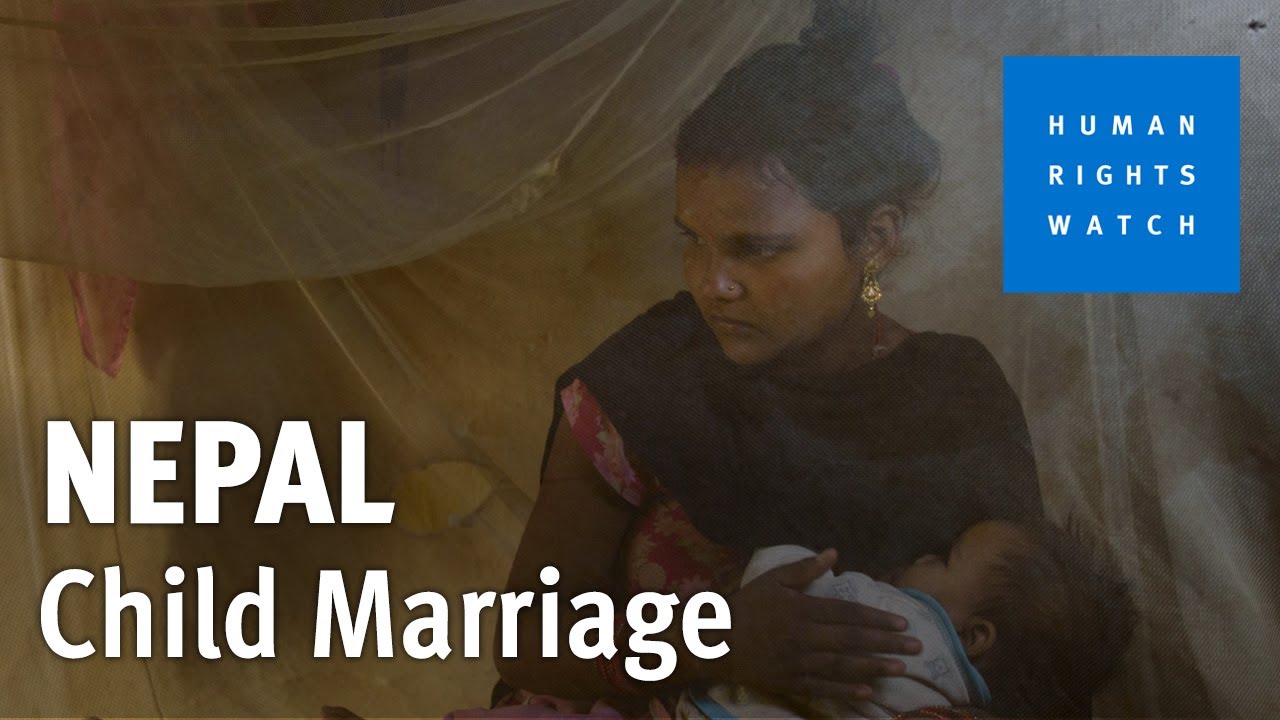
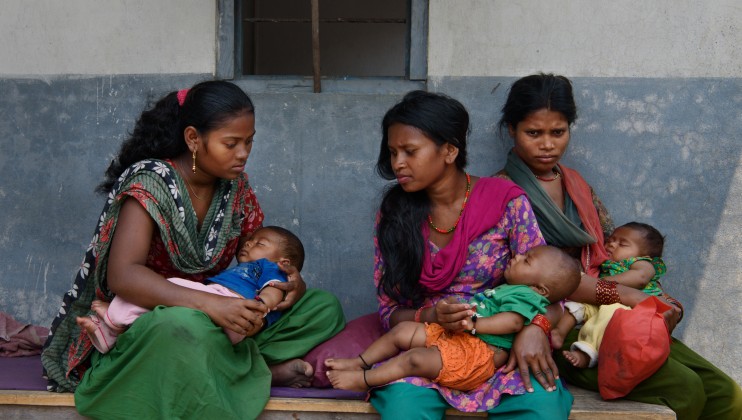
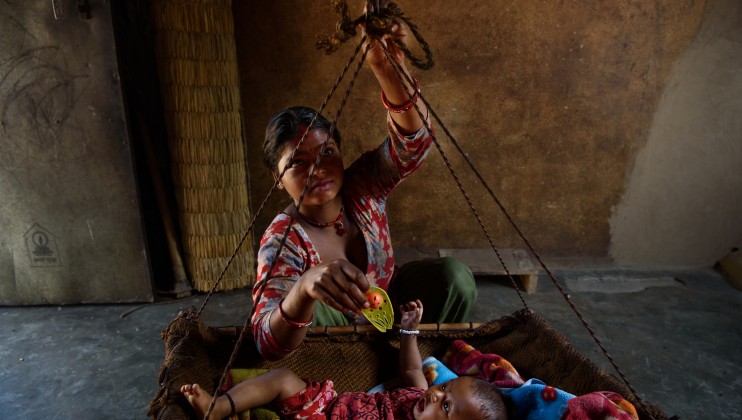
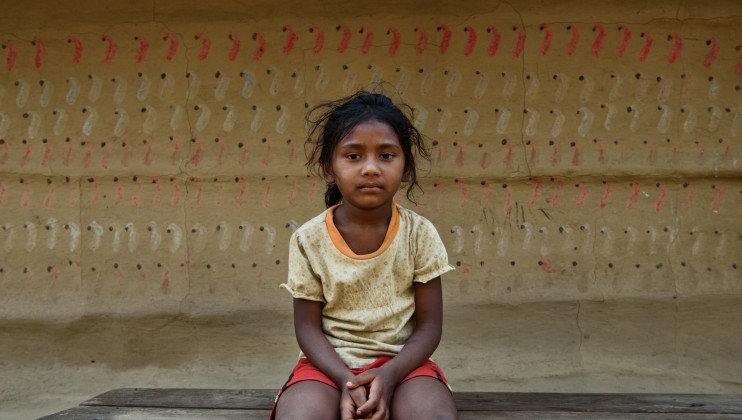
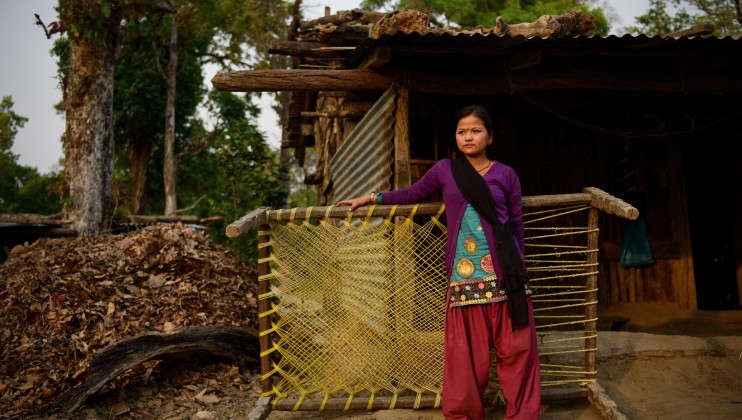
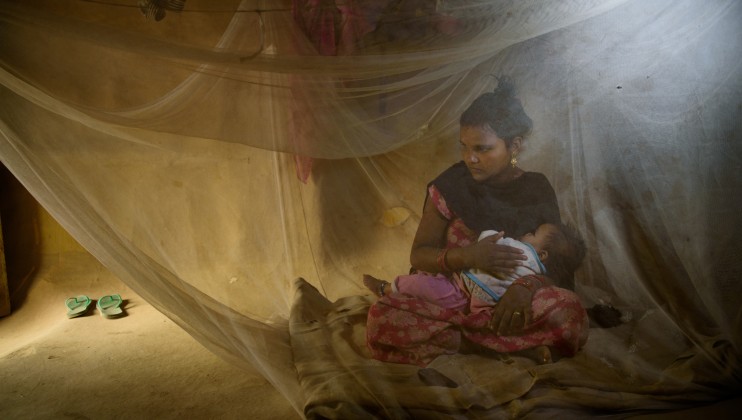
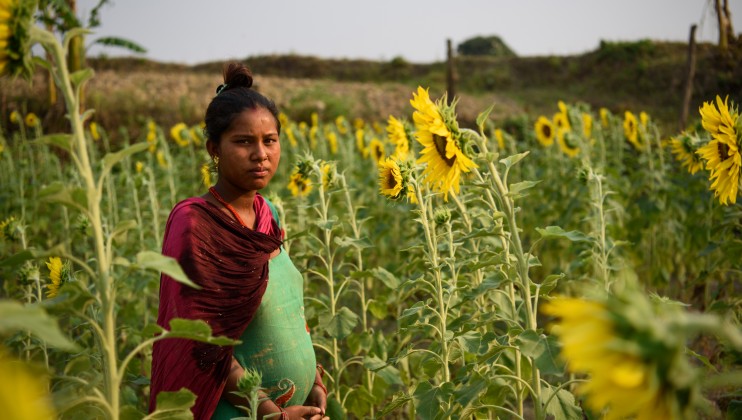
(Kathmandu, September 8, 2016) The Nepal government has failed to take sufficient steps to end child marriage, in spite of promises to do so, and girls and boys across the country continue to be deeply harmed by child marriage. In July 2014, Nepal’s government pledged to end child marriage by 2020. By 2016, this goal had shifted to ending child marriage by 2030. The government has yet to take the concrete steps needed to achieve either goal.
Nepal has the third highest rate of child marriage in Asia, with 37 percent of girls marrying before age 18, and 10 percent marrying before the age of 15, despite the fact that the minimum age of marriage is 20 under Nepali law. A smaller percentage of boys (an estimated 11 percent) marry before age 18. Nepal’s government has taken some action to stop the practice of child marriage, but a long-promised national plan to end child marriage has met with delays. Human Rights Watch research--based on interviews with 104 children and young adults who married as children – documents the economic and social pressures that lead to child marriage and the devastating results of those marriages.
Nepal: Child Marriage Threatening Girls’ Safety and Rights
Videos (1)
Feature
7m 2s
Related News

ENG
Monday, 12 October 2026
Philippines: Flood Control Project Disregards Rights
Pampanga Residents Face Flooding, Lack of Livelihoods at Relocation Site
ENG
KO
Tuesday, 8 September 2026
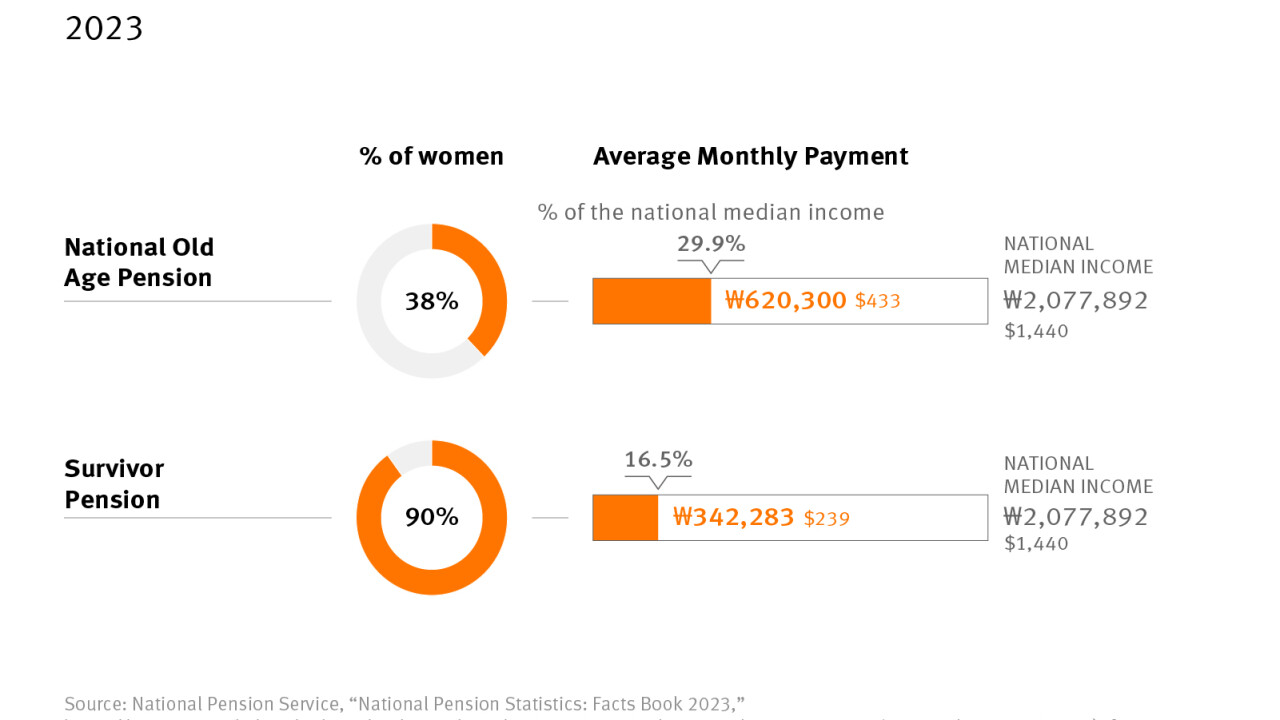
South Korea: Systemic Gender, Age Discrimination at Work
Widen Opportunities, Close Pay and Pension Gaps for Women

ENG
Wednesday, 20 May 2026
Liberia: School Fees Block Children’s Access to Education
Eliminate Registration Fees; Expand School Grants; Improve Education Quality